
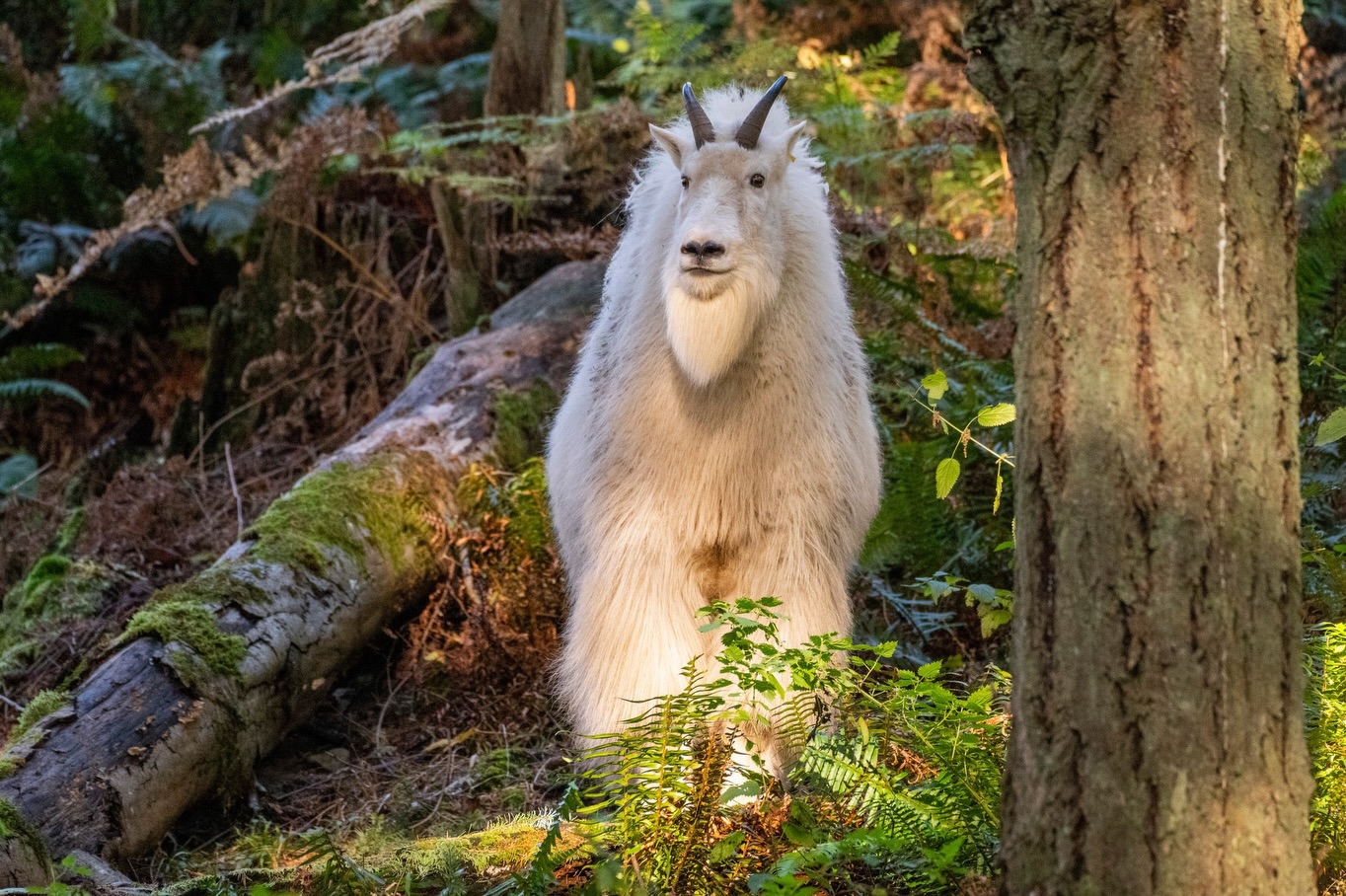
- Klahhane’s Role as a Leader in the Mountain Goat Herd
- The Origin of Klahhane and His Conservation Story
- Behavioral Traits of Mountain Goats and Their Social Structure
- The Importance of Translocation in Wildlife Conservation
- Future Implications for Mountain Goat Populations and Ecosystems
Klahhane stands as a striking example of effective leadership within his herd of mountain goats. Though he may not be the largest or most imposing figure, his calm demeanor and confident attitude attract followers naturally. This charismatic personality has become crucial for maintaining harmony and order among the goats, particularly in challenging environments. Understanding Klahhane’s role offers valuable insights into the dynamics of goat herds and the social behaviors that can influence group cohesion.
Klahhane derives his name from Klahhane Ridge, located in Olympic National Park. This stunning area is not merely a scenic backdrop; it has been pivotal in the efforts to conserve mountain goat populations. Klahhane, along with fellow goats, was translocated from this region as part of a concerted conservation strategy aimed at protecting their habitats and sustaining their numbers in the wild. By studying Klahhane’s journey and the broader context of wildlife reintroduction, one can better appreciate the significance of such initiatives.
Mountain goats exhibit intriguing social structures that revolve around both hierarchical and egalitarian traits. The social dynamics of these creatures often emphasize cooperative behaviors and shared responsibilities within the herd. Klahhane’s leadership style embodies these traits, fostering a supportive environment where younger or weaker goats can thrive. Notably, mountain goats are highly social animals, and their ability to communicate through vocalizations and body language is central to maintaining group coherence. Klahhane’s calm presence helps facilitate these interactions, allowing other goats to feel secure within the group.
The translocation of mountain goats, as exemplified by Klahhane’s journey, is an essential aspect of wildlife conservation. Endangered or overpopulated species often require human intervention to restore balance within their ecosystems. In Klahhane’s case, the decision to relocate goats from Olympic National Park was driven by the need to reduce overgrazing, which can lead to habitat degradation and potential loss of biodiversity. Translocation is not simply about moving animals; it involves extensive planning and understanding of the animals’ habitat requirements, social structures, and behavioral traits. Such efforts can revitalize ecosystems and support genetic diversity within species, enabling them to adapt over the long term.
Klahhane’s significance extends beyond his immediate family. As a leader, he plays a vital role in the broader picture of conservation efforts focused on mountain goats and their habitats. Monitoring populations through field studies provides crucial data on health and social dynamics within the herd. These studies often reveal how leadership affects breeding success, mortality rates, and the overall stability of the goat population. Klahhane’s leadership impacts not only his group but also serves as a model for understanding how animal behavior can inform conservation strategies.
The ecological implications of successful mountain goat conservation are profound. Mountain goats are integral to their habitats, often influencing vegetation dynamics and soil health through their grazing habits. Their browsing helps control plant growth, promoting biodiversity by allowing less competitive plants to flourish. This balance is essential in maintaining healthy ecosystems where various species can thrive. The loss of mountain goats can lead to a cascade of negative effects on the environment, including overgrowth of certain plant species and diminished habitat for other wildlife.
Klahhane’s journey illustrates the triumphs and challenges of animal relocations in conservation. While the initial translocation from Olympic National Park was a necessary intervention, it is crucial to remain vigilant about follow-up assessments. Monitoring the health and success of translocated animals is essential for ensuring the long-term viability of populations. Ongoing studies allow conservationists to adapt strategies as needed, based on ecological shifts or changes in social structures within herds.
Understanding the behavior and social structures of mountain goats like Klahhane can yield insights that are applicable to other species as well. Leadership dynamics are not exclusive to mountain goats; similar patterns exist across various animal groups. By studying these interactions, researchers can design effective conservation plans that consider the social nuances of different species. Employing behavioral studies can enhance conservation initiatives significantly, offering a roadmap for successful reintroduction and population management.
As the conservation landscape shifts, the role of leaders like Klahhane becomes even more critical. Climate change, habitat loss, and human encroachment continue to pose threats to wildlife. Conservationists must adapt their strategies to accommodate the changing dynamics of ecosystems. Recognizing the importance of social structures, particularly leadership roles, can guide efforts to bolster resilience among animal populations.
Klahhane’s stature may not be the tallest among his peers, but his calm demeanor positions him as a natural leader. His influence reflects the inherent wisdom of animal relationships and the intricate balance within ecosystems. Observations of Klahhane and his herd present an opportunity to discuss the broader implications of wildlife conservation efforts, offering lessons on trust, communication, and the significance of community.
The collaborative spirit observed among mountain goats like Klahhane is a powerful illustration of how social structures can reinforce survival strategies. New studies continue to explore the genetic health of mountain goat populations, examining how leadership affects mating choices and genetic diversity. Understanding which traits foster successful mating and reproduction can help drive conservation methods aimed at safeguarding future generations of mountain goats.
Wildlife professionals often emphasize the importance of community engagement in conservation efforts. Klahhane’s story can serve as a point of inspiration, inviting communities to participate in local conservation activities. Citizen science initiatives can bring people closer to nature while fostering appreciation for local wildlife. This increased awareness can lead to greater advocacy for policies aimed at preserving natural habitats and protecting endangered species.
Engaging the public through educational programs about mountain goats, their roles in ecosystems, and specific conservation activities can heighten awareness. Through school programs, community workshops, and guided nature walks, Klahhane’s legacy can inspire the next generation of conservationists. These programs aim to instill a sense of stewardship among individuals, encouraging them to protect both mountain goats and the environments in which they thrive.
Knowledge about Klahhane and his compelling role in his herd is a call to action for anyone invested in wildlife conservation. By fostering a deeper understanding of animal behavior, we can advocate for policies that align with ecological realities. Supporting sustainable initiatives that reflect the needs of wildlife encourages healthier ecosystems and enriched biodiversity.
As Klahhane continues to lead his herd, he symbolizes not only the challenges faced by mountain goats but also the potential for human intervention to make a positive difference. His calming influence reinforces the significance of social structures and effective leadership in animal behavior. The lessons learned from his journey resonate within the broader narrative of conservation, emphasizing the interconnectedness of species and ecosystems.
Klahhane’s story encapsulates the essence of wildlife conservation. It serves as a reminder that leadership, community, and environmental stewardship are foundational to maintaining ecological balance. The continued study of mountain goats can enhance our understanding of both species and habitats, supporting efforts aimed at creating a thriving future for wildlife and the ecosystems they inhabit.
*****
Source Description
Meet Klahhane, our mighty mountain goat leader! He may not be the biggest goat in the herd, but keepers say he’s the calm, confident personality everyone naturally follows. Klahhane is named after Klahhane Ridge in Olympic National Park, the same area where he and other goats were translocated from as part of a conservation effort. 🐐
