
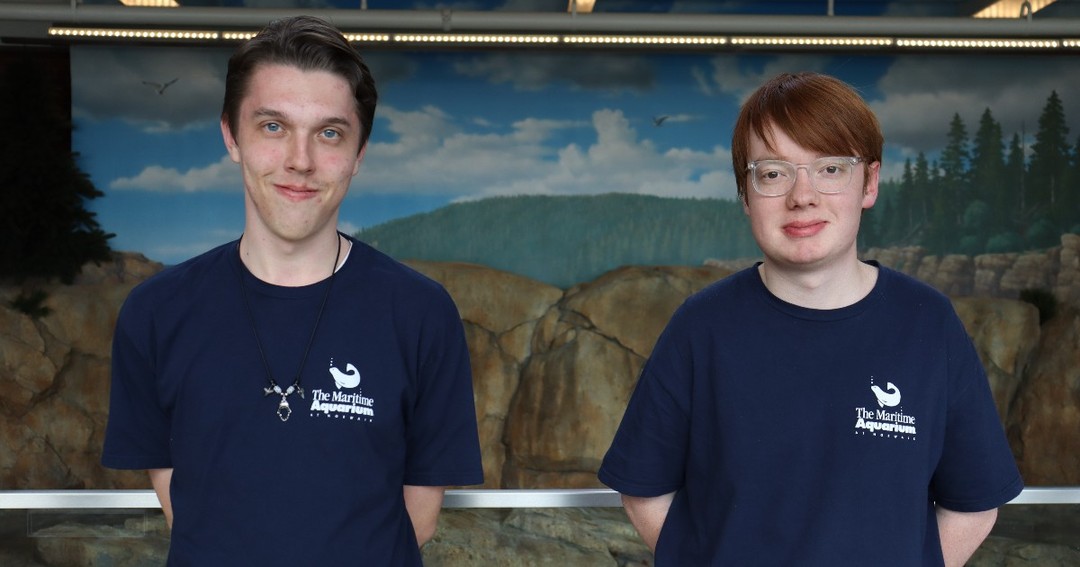
- Max and Seamus’s roles in the Aquarium through the Fairfield Transition Program.
- The significance of the Fairfield Transition Program in fostering employment skills for young adults with disabilities.
- The various tasks and responsibilities of Max and Seamus at the Aquarium, including supporting on-site caterers and maintaining facilities.
- The broader impact of volunteer work at aquariums and similar institutions on wildlife conservation and community engagement.
- How to get involved in volunteer opportunities at the Aquarium.
Max and Seamus have made significant contributions to the Aquarium since joining through the Fairfield Transition Program last October. This initiative is designed to empower young adults with disabilities, providing them with essential skills to facilitate future employment opportunities. Programs like Fairfield Transition play a crucial role in fostering inclusivity and creating pathways for meaningful community engagement.
At the Aquarium, Max and Seamus assist in various areas, actively supporting on-site caterers in Cascade Café. Their involvement here is particularly valuable, as the café serves not only visitors but also helps raise funds essential for the Aquarium’s conservation efforts. Visitors enjoy a variety of food options, many of which emphasize sustainable sourcing. By supporting food services that prioritize local and sustainable ingredients, Max and Seamus contribute indirectly to wildlife conservation efforts, aligning with broader initiatives to reduce ecological footprints.
In addition to their work in the café, Max and Seamus help maintain the 4D theater. This facility enhances the visitor experience by providing immersive educational content about marine life and ecosystems. Their roles here are vital; they ensure that the theater is clean and functioning, thereby directly impacting the overall visitor experience. A well-maintained theater can amplify the educational insights shared during presentations, fostering a deeper understanding of aquatic environments among attendees.
Stocking merchandise at Sound Bites Café is another responsibility that Max and Seamus hold. This task involves organizing products efficiently and ensuring that items are readily available for guests. Such operational roles, while often overlooked, are crucial for the Aquarium’s daily function. Efficient merchandising not only enhances the visitor experience but also supports the financial health of the institution, making it possible for aquariums to allocate resources toward conservation projects and educational programs.
The work of volunteers like Max and Seamus at institutions like aquariums extends beyond simple tasks; they embody the spirit of community involvement. Volunteer programs enrich local conservation efforts and foster connections among diverse groups of people. In a society where species extinction rates are escalating, and habitats are under threat, every small action contributes to a larger narrative of environmental stewardship.
The significance of the Fairfield Transition Program cannot be overstated. By supporting young adults with disabilities, this program helps foster independence and professional skills that are sought-after in various employment sectors. Participants engage in work settings that teach practical skills, social interaction, and workplace etiquette. These elements are vital for personal growth and employment readiness, making a considerable impact on participants’ lives.
Organizations that prioritize inclusion in their staffing and volunteer programming tend to benefit from a richer, more diverse atmosphere. Max and Seamus are examples of how inclusion can enhance operations in a meaningful way. Their contributions highlight the importance of giving individuals the chance to gain experience in a supportive environment, ultimately fostering a sense of belonging and purpose.
The integration of volunteers into the daily operations at the Aquarium also acts as a catalyst for community involvement. When individuals witness volunteers actively participating, they may be inspired to engage in similar acts of service. This ripple effect can amplify community support for conservation initiatives and bolster the Aquarium’s mission to educate the public about aquatic ecosystems.
Different aquariums and wildlife centers across the country engage in various conservation efforts that require comprehensive planning and dedicated resources. It is imperative for these institutions to not only focus on the care of animals in captivity but also to be actively involved in wildlife preservation efforts globally. The collaborative work of volunteers like Max and Seamus aligns with this mission. Their roles help ensure that the organization remains functional and focused on its objectives, which involves not just animal care but also community education and outreach.
For individuals interested in volunteering at the Aquarium, opportunities abound. Engaging with local volunteering programs can be an enriching experience. Such involvement helps foster a community spirit while contributing to significant conservation efforts. Visitors to the Aquarium can inquire through the link in the bio on how to become a volunteer, facilitating their pathway into meaningful work that enhances both personal growth and community wellbeing.
Volunteering is not just about supporting daily operations. It also allows individuals to develop ecology and conservation knowledge crucial to informed activism and advocacy. Volunteers often become passionate about the species they come into contact with, which can lead to more significant involvement in conservation initiatives within their communities or at a broader ecological level.
The benefits of volunteering extend into personal realms as well. Engaging with animals and marine life can be therapeutic, enhancing well-being and mental health. The bonds formed while working alongside peers also promote social skills and emotional intelligence. Max and Seamus’s experiences at the Aquarium serve as a testament to these benefits, demonstrating how volunteering can foster personal growth while bolstering vital work in conservation.
In cultivating a diverse volunteering environment, organizations like the Aquarium set the groundwork for an engaged public and a more aware society. The ripple effects of these programs often translate to improved reception toward wildlife preservation and environmental activism. As Max and Seamus continue their work, they serve as role models for other young adults with disabilities, proving that all contributions, regardless of scale, are valuable in the bigger picture of conservation.
In addition, the Aquarium’s role in community education helps foster awareness about the importance of protecting marine ecosystems. This aspect of their work allows for a wider audience to understand the interconnectedness of different species and ecosystems, illustrating how every action impacts the environment. Educational programs often culminate in community outreach, making it easier for attendees to transition into advocates for marine conservation.
Max and Seamus are cherished members of the Aquarium community. Their presence serves as a reminder of the transformative power of volunteer work in fostering community, promoting environmental stewardship, and inspiring others to become active participants in conservation efforts. As they continue to grow and develop through their work, they embody the spirit of volunteerism—emphasizing that every effort counts in the fight for a sustainable future.
Engaging as a volunteer is not merely an option; it is a call to action. It invites individuals to become part of a larger movement focused on advocacy, education, and global conservation. The stories of volunteers like Max and Seamus spark inspiration within communities, urging others to embrace opportunities for involvement within local and global contexts.
As you contemplate the value of volunteering, consider the multitude of skills you can develop, the community connections you can forge, and the meaningful impact you can have on wildlife conservation efforts. The roles filled by volunteers are essential to the functioning of the Aquarium and are also significant in shaping a more inclusive outlook on community involvement. The success of programs like the Fairfield Transition Program demonstrates the power of collective action in promoting well-structured pathways for individuals seeking to make a difference.
Now is a great time to explore volunteer opportunities in your area, potentially at the Aquarium or other organizations focused on conservation, environmental education, or community outreach. Your involvement may not only change your own life but also help pave the way toward a more sustainable future for our planet. Engage with this incredible community, taking inspiration from Max and Seamus, and become part of the vital conversation around wildlife preservation and environmental stewardship that is more important now than ever before.
*****
Source Description
This month’s Volunteer Spotlights are Max and Seamus!
Max and Seamus have been volunteering at the Aquarium since October through the Fairfield Transition Program. This program works to support young adults with disabilities in developing skills that will support future employment.
While at the Aquarium, both Max and Seamus support our on-site caterers in Cascade Café, maintain our 4D theater, and assist with stocking merchandise at our Sound Bites Café.
We are beyond appreciative of all the work they do for the Aquarium!
To learn how to become a volunteer, visit the link in our bio.
