
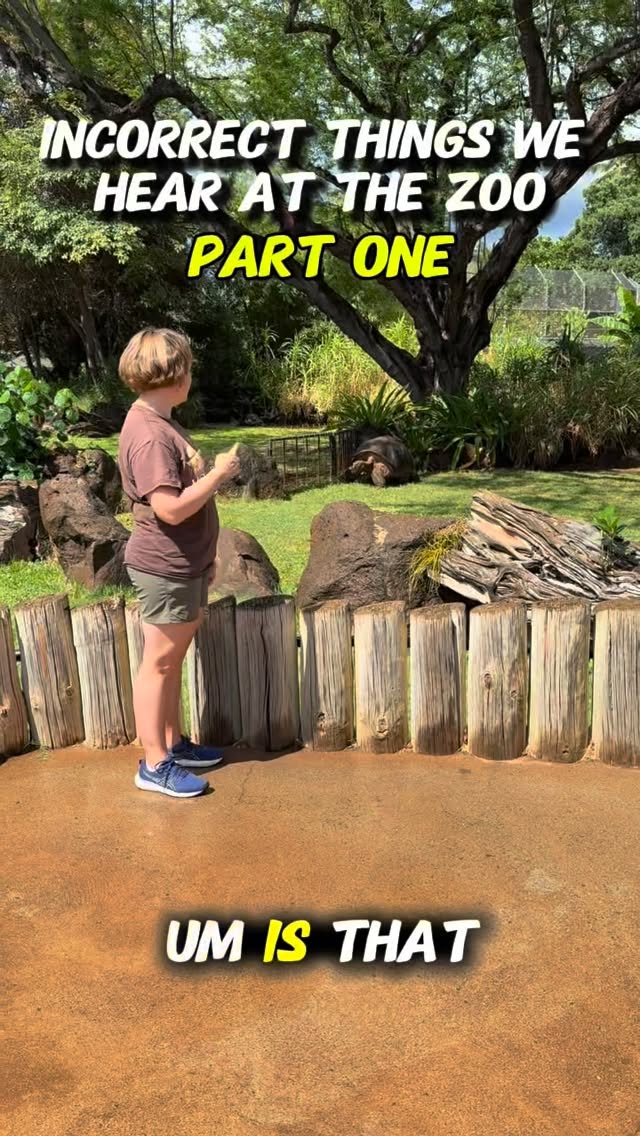
- The significance of camouflage in tortoise survival.
- Tortoise anatomy and behavior: What makes them remarkable.
- The role of tortoises in their ecosystems.
- Conservation efforts for tortoises and threats they face.
- Interesting facts about tortoises that challenge common perceptions.
Camouflage is a survival strategy used by various creatures in nature. Tortoises, in particular, exhibit extraordinary skills in this regard, often leading observers to mistake them for rocks. Their ability to blend seamlessly into their surroundings is a biological marvel, serving multiple purposes in the wild. For tortoises, camouflage protects them from predators and aids in catching prey. Their shell colors and textures can mimic stones, soil, and vegetation, enabling them to avoid detection.
Tortoises are equipped with unique physical traits that make them well-suited for their environments. Their hard shells, called carapaces, not only provide protection but also contribute to their camouflage. The shape and coloration of a tortoise’s shell are adaptations that allow it to merge with its natural habitat. For instance, species such as the desert tortoise have light-colored shells that reflect sunlight, keeping them cool, while also resembling the rocky terrain of their habitats. This blend of function and form highlights the importance of their anatomy in the survival of various tortoise species.
Behaviorally, tortoises exhibit some fascinating traits that further enhance their camouflage effectiveness. When threatened, many species will withdraw into their shells, appearing even less conspicuous. This retraction serves as an immediate defense mechanism against potential predators. By remaining motionless and blending into the environment, tortoises increase their chances of evading detection. In addition to their defensive behaviors, tortoises also employ a slow and deliberate crawling technique that emphasizes their camouflage, enabling them to move stealthily through their surroundings.
Tortoises play a crucial role in their ecosystems, contributing to a healthy balance of plant and animal life. They help in seed dispersal, as the plants they consume rely on tortoises to transport their seeds across various terrains. This relationship is vital for plant diversity and sustainability. Additionally, tortoises are a food source for larger predators, creating a critical link in the food web. By maintaining these relations, tortoises aid in the ecological stability of their habitats.
However, an impressive blend of unique traits and evolutionary adaptations does not make tortoises immune to threats. Habitat destruction, poaching, and the illegal pet trade pose serious challenges to their survival. Many tortoise species are now facing the risk of extinction due to these human-related factors. Conservation efforts are paramount, ranging from habitat restoration projects to strict regulations on tortoise trade. Organizations around the globe are working to educate the public on the significance of tortoises and to advocate for their protection.
Various interesting facts challenge preconceived notions about tortoises. For example, they are not the slow, sluggish creatures that many believe them to be. Certain species can actually move surprisingly quickly when necessary. Additionally, tortoises have been known to live for over a century, with some documented cases of individuals reaching ages of 150 years or more. Their longevity serves as a reminder of their evolutionary success and adaptability, standing as witnesses to the changing conditions of their environments.
As we explore the engaging theme of “Wait… is that a rock?”, it’s essential to appreciate the remarkable complexity of tortoises and their role in nature. Understanding these creatures provides insight not only into their lives but also into the broader ecosystem in which they exist. Through education and conservation efforts, we can foster a deeper appreciation for these incredible animals and ensure they continue to thrive in the wild.
*****
Source Description
“Wait… is that a rock?” 🤔🪨
(Nope — it just moved. It’s a tortoise!)
From camouflaged critters to clever questions, we love sharing the wonderful world of wildlife with curious minds of all ages. There’s never a dull moment when nature’s involved — and we have plenty more to share! 💚
