
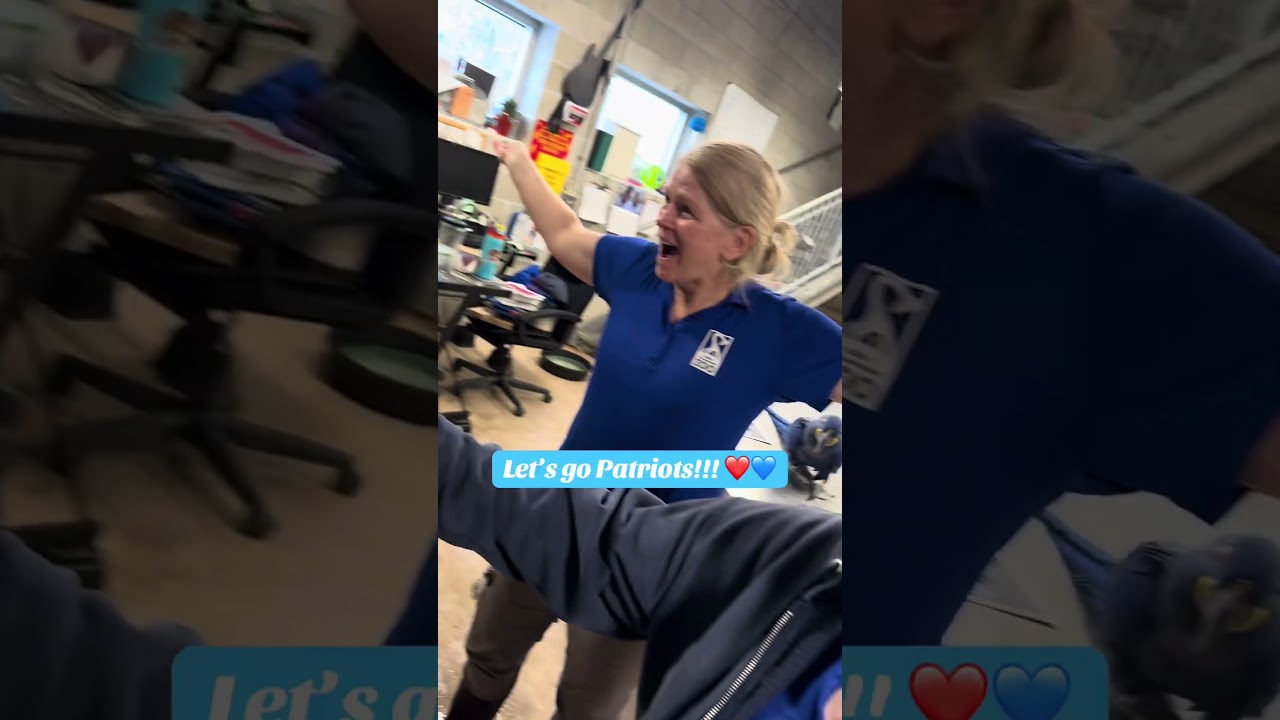
- Overview of Angel’s Super Bowl prediction and the significance of animal predictions in public fascination.
- Zoological insight into the behavioral traits of animals used in predictions and how these traits influence their choices.
- The impact of public events involving animals on wildlife conservation and education.
- Best practices in zoo management and animal care during public events.
- Ethical considerations and wildlife conservation insights in the context of animal event participation.
Angel, an animal renowned for predicting Super Bowl outcomes, has once again captivated audiences with its latest prediction. This intriguing phenomenon illuminates the intersection of entertainment, zoology, and conservation. Animal predictions have perpetually fascinated the public, creating a platform through which we can explore animal behavior, zoo management, and wildlife conservation.
Angel’s Super Bowl prediction showcases how animals can capture public imagination. This fascination stems from the prediction’s blend of suspense, entertainment, and the occasional surprising accuracy. As a cultural event, it provides unique insights into the diverse ways animals are integrated into human social activities. Understanding why and how animals make certain choices during predictions can also enrich our comprehension of their behavior and instincts.
From a zoological perspective, studying the behavioral traits of animals selected for predictions can offer significant insights. For instance, animals like Angel might be known for their problem-solving skills or ability to react to environmental cues. Researchers can observe these characteristics through controlled experiments conducted during such events. This not only enhances our understanding of animal cognition but also contributes to the body of knowledge in comparative psychology.
Furthermore, public events involving animals, like Angel’s prediction, have broader implications for wildlife conservation and education. They serve as powerful platforms to raise awareness about animal species and their habitats. By bringing animals into the public eye, these events offer an opportunity to educate audiences about conservation challenges and the importance of preserving biodiversity. This can lead to increased public support and funding for conservation projects.
Effective zoo management is crucial for the success of public events involving animals. It requires careful planning and execution to guarantee that the animals involved are well-cared for and not subjected to undue stress. This involves training, proper nutrition, and ensuring a suitable environment during the event. Attention to these aspects helps maintain the animal’s health and aids in delivering an engaging yet responsible experience.
Ethical considerations underline the necessity to respect the welfare of animals in public events. Ensuring that participation does not harm the animal or compromise its natural behavior is vital. This brings to light discussions about the ethical boundaries of using animals for entertainment and the overarching goal of promoting conservation and education.
Integrating these animal events into broader conservation strategies can amplify their impact. Highlighting conservation messages during these predictions can lead to better public understanding of environmental challenges. This can foster a more comprehensive engagement with conservation efforts, transforming a simple prediction into a potent tool for ecological advocacy.
*****
Source Description
