
- The social structure and behavior of zebras in groups.
- The significance of stripe patterns in zebra survival.
- The role of zoos in zebra conservation and education.
- Unique adaptations that zebras possess for their environment.
- Special observances such as International Zebra Day and their importance in raising awareness.
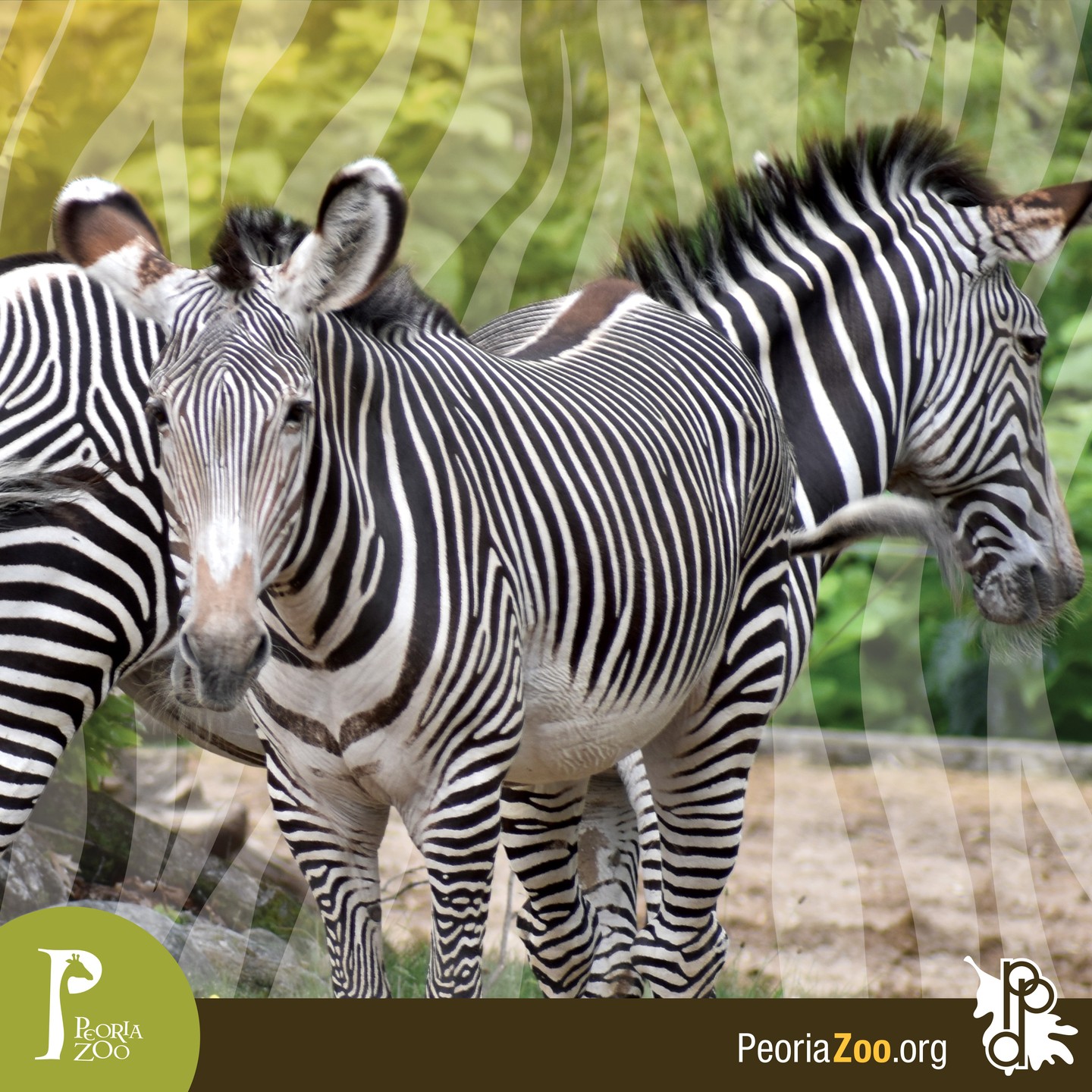
Zebras are fascinating creatures. A group of zebras is called a dazzle, a name inspired by the way their black-and-white stripes visually blend together in a group. This striking appearance has evolved as an effective defense mechanism against predators. When zebras stand together, their stripes create an optical illusion. Their overlapping patterns can make it harder for predators to discern individual animals, assisting them in avoiding danger.
In the wild, zebras are social animals. They typically form small groups or herds that are often led by a dominant stallion. Within these groups, hierarchy plays a significant role in their social interactions. The close-knit structure aids in communal protection and resource sharing. Bands of zebras might also join with other herds, forming larger groups that can range in size, especially during migrations. The dynamics within these groups can be intricate, with various social bonds and interactions happening daily.
The stripes of a zebra serve many purposes beyond camouflaging from predators. Current studies suggest that the patterns may also deter biting flies, which are attracted to darker surfaces. This has implications for zebra health since flyborne diseases can affect their survival rates. The stripes may create a visual confusion that makes it difficult for these pests to navigate quickly. This not only helps the zebras stay physically safe but also ensures their overall well-being in the wild.
Even though Peoria Zoo does not house a large group of zebras, they are home to Radar and Phoebe, two zebras that exhibit these remarkable adaptations. Observing them can provide insights into their daily behaviors and interactions. Zoo settings offer an opportunity for visitors to learn about zebras in a controlled environment that mirrors their natural habitat, allowing for education and appreciation of wildlife.
Zoos play an essential role in wildlife conservation and education. Facilities like Peoria Zoo focus on raising awareness about the challenges zebras face in their natural habitats. Habitat loss, poaching, and climate change continue to threaten various zebra populations across Africa. Organizations often participate in breeding programs to help preserve these species. Education provides visitors with a greater understanding of the importance of biodiversity and the need for conservation efforts.
Events like International Zebra Day, celebrated on January 31st, serve to spread awareness about these unique animals. These observances can shine a spotlight on the critical issues affecting zebras, urging public engagement and support for conservation initiatives. At the Tropics Room, educational sessions about zebras help inform local communities. Such events foster connection and comprehension, bridging the gap between wildlife enthusiasts and conservation efforts.
Zebras are well-adapted to their environments, possessing several physical traits that aid in their survival. Their keen eyesight allows them to detect movement from afar, alerting them to potential threats. Additionally, zebras are adept runners. They can sustain high speeds over long distances, making it easier to escape predators like lions and hyenas. Social behaviors like grazing together or grooming one another strengthen their bonds, facilitating cooperative defense strategies.
Education about zebras shouldn’t only focus on their adaptive traits. Understanding the ecosystems they inhabit is essential. Grasslands and savannas, where zebras typically roam, are critical habitats that provide food and shelter. These environments are also home to countless other species, highlighting the interconnectedness of ecosystems. Losing the zebra population can impact these ecosystems unevenly, affecting various flora and fauna.
Like many wildlife species, zebras face growing pressures from human activities. Deforestation and urbanization lead to fragmentation of their natural habitats. Encroachment into their territory places them at greater risk of encounters with human conflict, often resulting in loss of life or injury. In contrast, creating corridors for wildlife can mitigate these risks. Understanding how to balance human development and animal habitats remains a pressing challenge globally.
Efforts to safeguard zebras come not only from zoos but also from local and international governments. Legislation aimed at protecting wildlife areas helps create sustainable environments where animals can thrive. Involving local communities in conservation efforts fosters a sense of responsibility and investment in preserving natural habitats. By engaging people locally, the broader message of conservation can reach various demographics.
The stripes that characterize zebras are not just aesthetically pleasing; they provide essential insights into their evolutionary past. Scientists continue to study the genetic and behavioral aspects of these animals. By examining their reproductive habits, migratory patterns, and environmental interactions, they can glean knowledge that aids in protective measures. Always leveraging research for better understanding can guide future conservation strategies.
Zoo management plays a pivotal role in enhancing the understanding of zebras and other species. Exhibits dedicated to zebras can simulate their natural environments, showcasing their social structures and interactions. Additionally, programs that offer behind-the-scenes look at zebra care foster admiration and respect for these animals. Such educational efforts can build a community committed to conservation.
Radar and Phoebe at Peoria Zoo are fantastic ambassadors for their species. Interacting with these animals not only educates visitors but fosters an emotional connection that can inspire action. Observers can witness how their behaviors reflect the challenges zebras face in the wild. Simple yet effective narratives about their lives create lasting impressions, leading to deeper understanding and commitment to conservation.
As International Zebra Day approaches, communities can facilitate various activities to promote awareness. From educational workshops to fun activities tailored for all ages, these initiatives can spark interest and engagement. Bringing in experts to share their knowledge or creating community events surrounding zebra education can remind everyone of their importance in ecosystems.
Providing opportunities for meaningful learning experiences regarding zebras at zoos allows for a holistic approach to conservation. Engaging content can make the subject accessible for audiences of all ages. Interactive installations can help illustrate the distinct habitats of zebras, revealing their daily challenges and triumphs.
Understanding zebras, including their behaviors, habitats, and conservation efforts, contributes to global biodiversity efforts. Awareness throughout different communities can have a ripple effect. A collective approach to conservation enhances the overall health of ecosystems. Education can build bridges between people and wildlife, essential for preserving species like zebras for future generations.
Through events like International Zebra Day, zoos, local organizations, and community members unite to promote the importance of these animals. This collaboration underscores the essential message of sustainability and conservation. As Radar and Phoebe continue to thrive in their environment, they stand as icons of hope for their species.
*****
Source Description
Did you know a group of zebras is called a dazzle? 🦓✨
That name comes from the way their black-and-white stripes visually blend when they stand or move together. The overlapping patterns can make it harder for predators to tell where one zebra ends and another begins.
Even though we don’t have a full dazzle at Peoria Zoo, Radar and Phoebe still show off this incredible natural adaptation every day 🤍🖤
📅 Don’t forget–International Zebra Day is tomorrow!
Stop by the Tropics Room from 11:00–12:00 to hear more zebra facts, learn about Radar and Phoebe, and discover how zoos support zebra conservation.
