
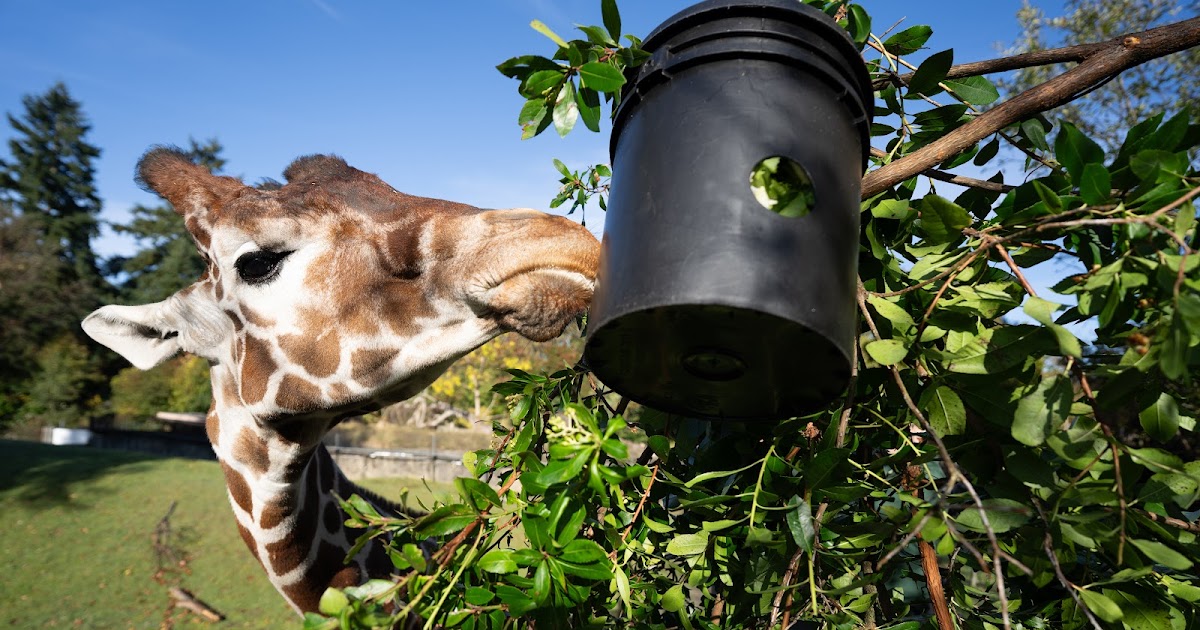
Summary of Dave, one of Woodland Park Zoo’s giraffes, to undergo hoof procedure.:
The Woodland Park Zoo recently updated on a successful hoof procedure for Dave, an 18-foot male giraffe. He underwent anesthesia for treatment of a penetrating hole in his right front toe, as well as a hoof trim. This marks the first time Dave has been anesthetized. The zoo’s Animal Health and Care teams conducted the procedure, with consulting from farrier Steve Foxworth. Proper foot care is vital for giraffes’ wellbeing, and the zoo has a routine program in place to maintain their health. The update emphasizes the importance of daily observations by caretakers that led to early diagnosis and treatment of Dave’s condition. The zoo highlighted the risks of giraffe anesthesia but mentioned their experienced team was well-prepared. Additionally, the content shares fun facts about giraffes and notes the decline of giraffe populations in the wild. The zoo supports conservation efforts for these animals.
- The importance of hoof care for giraffes in captivity.
- Dave’s specific foot condition and its implications.
- The role of anesthesia in veterinary procedures for large animals.
- The procedures undertaken by the animal health and care teams.
- Conservation efforts related to giraffe populations.
Giraffes are celebrated as the tallest land mammals, reaching heights between 14 to 19 feet. Their impressive stature demands a specialized set of care techniques, particularly regarding their hooves. Woodland Park Zoo’s commitment to animal care extends to a routine hoof care program that treats all hoofed animals, but specific conditions can necessitate more intensive procedures. Dave, a 13-year-old male giraffe, became the focus of such a recent procedure due to a hole in the bottom of his right front hoof. Understanding the significance of hoof care for giraffes is essential for appreciating the challenges that come with managing such magnificent creatures.
Good hoof care is not merely a cosmetic practice; it is integral to the overall health of the giraffes. Giraffes, especially in captivity, face different conditions compared to those in the wild. A giraffe’s foot comprises a tough outer layer that protects sensitive inner tissues, including bones and ligaments. Overgrowth, injury, or infections can compromise this protection, leading to conditions that not only cause pain but can also affect mobility and quality of life. In Dave’s situation, the penetrating hole in his hoof could have impacted the bone beneath, making timely veterinary intervention essential.
Anesthesia plays a critical role in the veterinary care of large animals such as giraffes. Dave was to be fully anesthetized during his hoof procedure to facilitate a safe and effective examination and treatment. The process of anesthetizing a large animal poses inherent risks due to their size and physiology. Giraffes have unique circulatory systems, and any oversight can result in complications. At Woodland Park Zoo, the animal health team has developed considerable expertise and protocols to minimize these risks, including thorough monitoring during the procedure. Dr. Tim Storms, the zoo’s Director of Animal Health, emphasized the importance of conducting regular assessments, as early interventions can prevent more severe issues down the line.
On the day of the procedure, multiple teams worked in concert. The animal health team, including veterinarians and specialized farriers, ensured everything was in place for a smooth operation. Steve Foxworth, a farrier known for his work with zoo animals, provided critical support for hoof care considerations. His involvement illustrated the collaborative efforts across various animal care disciplines. Specific techniques to trim and treat the hooves were essential in addressing Dave’s hoof problem, but they also aimed to reinforce good practices for long-term care.
Movements of large animals during procedures can be challenging. The exhibits team at Woodland Park Zoo is experienced with using rigging systems. Such systems allow for safe positioning of giraffes, ensuring their comfort and safety throughout the procedure. While Dave was under anesthesia, the giraffe keepers provided additional care to promote relaxation and prevent muscle strain during recovery. This included massaging his neck and legs, an innovative tactic that aids in reducing soreness from lying down for an extended period.
Beyond the immediate scope of the procedure, it’s vital to consider the broader implications of such medical interventions. Dave is not only a beloved figure at the zoo, serving as a prominent attraction; he has also contributed to the giraffe population with recent offspring. Being the only male within the zoo’s Savanna herd, he carries a significant role in genetic diversity and herd dynamics. His well-being impacts the herd and the zoo’s conservation messaging.
Conservation efforts related to giraffes highlight the urgent need for attention in the face of declining populations. According to research, giraffe populations have decreased by approximately 30% in the last 35 years, primarily due to factors like habitat loss and poaching. Organizations like the Association of Zoos & Aquariums, of which Woodland Park Zoo is a member, actively work on initiatives such as Giraffe SAFE (Saving Animals from Extinction). This program focuses on raising awareness about the threats giraffes face while fostering habitat conservation.
As giraffes like Dave continue to receive specialized care, the efforts extend beyond individual animals. Educational outreach connected to such efforts ensures that zoo visitors stay informed about giraffe conservation. Each footcare procedure, every veterinary intervention, contributes to the larger tapestry of conservation work that seeks to safeguard Africa’s giraffe populations.
In addition to their ecological importance, giraffes also captivate human audiences. The attributes that make them extraordinary—such as their height, unique spot patterns, and ability to run with surprising speed—create a profound connection for visitors to appreciate. Understanding Dave’s journey offers valuable insights into how zoos balance educational, veterinary, and conservation efforts while creating a nurturing environment for their animals.
This case exemplifies a comprehensive approach to animal care that intertwines expertise, compassion, and education. As more people learn about the health and conservation of these majestic animals, it leads to a greater appreciation and advocacy for their survival in the wild. The delicate balance between care practices and conservation is a continuous journey, articulated through the stories of animals like Dave. Keeping every aspect in mind enables zoos to contribute meaningfully to the preservation of species at a time when their existence hangs in the balance.
