
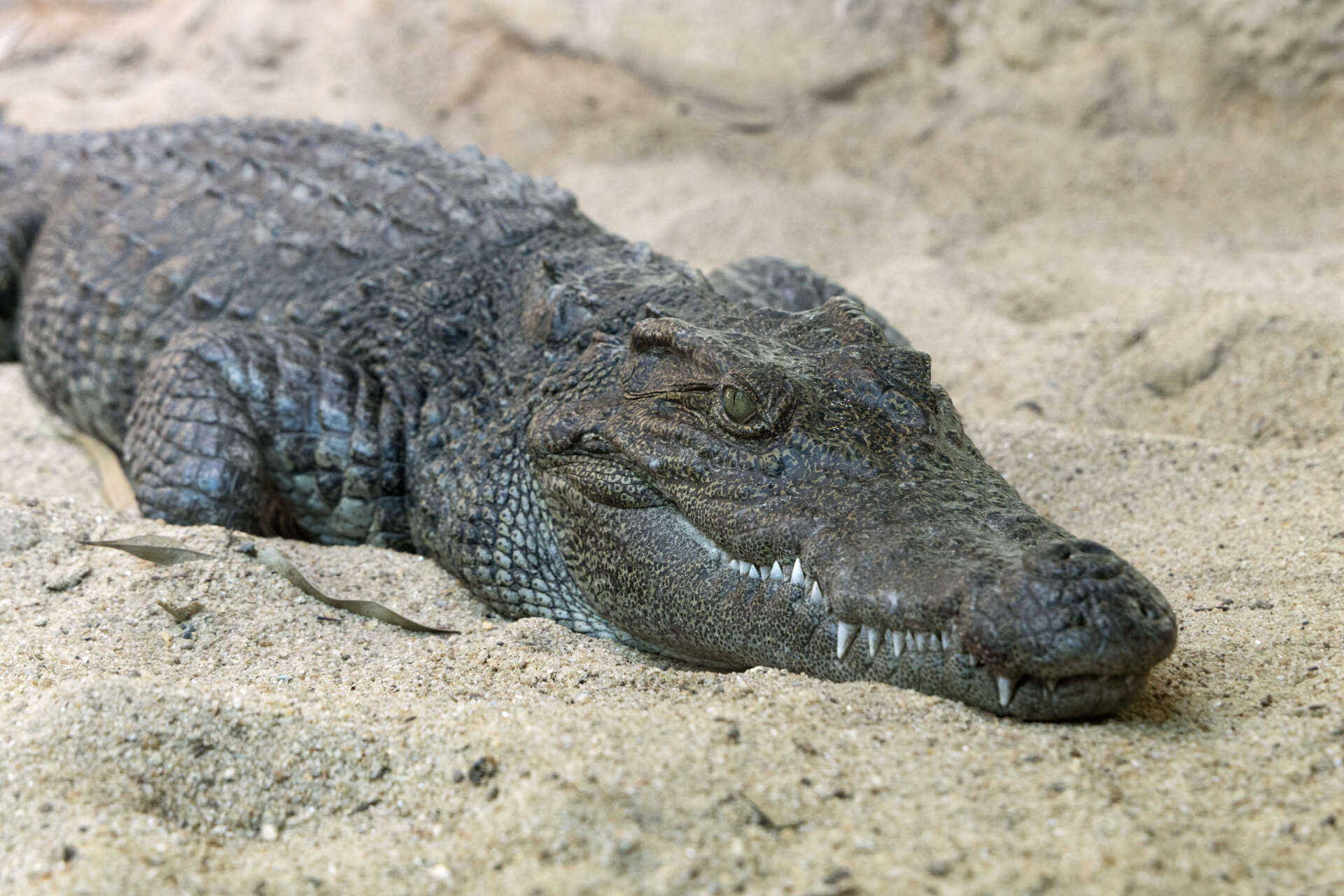
Summary of ZOO ATLANTA WELCOMES SENG THE SIAMESE CROCODILE:
Zoo Atlanta welcomed a young male Siamese crocodile named Seng on March 20, 2026. This species is critically endangered, with a significant conservation message as their population has dwindled due to habitat loss, agriculture, and illegal wildlife trade. Seng is part of the Scaly Slimy Spectacular habitat, designed to replicate natural environments. Zoo officials hope visitors learn about the importance of protecting wetland ecosystems through Seng’s story. For more information, visit Zoo Atlanta’s website.
- The significance of Seng, the Siamese crocodile, for conservation awareness
- Overview of the Siamese crocodile’s natural habitat and behavior
- Conservation challenges facing the Siamese crocodile
- The role of zoos in wildlife education and species conservation
- Visitor engagement and educational initiatives at Zoo Atlanta
Zoo Atlanta has recently welcomed a young male Siamese crocodile named Seng, marking a significant addition to the zoo’s conservation initiatives. As one of the most endangered crocodile species on the planet, Seng embodies a powerful message about the need for conservation and the protection of aquatic ecosystems. His arrival from the St. Augustine Alligator Farm Zoological Park on March 20, 2026, represents a chance for increased awareness of the plight of the Siamese crocodile.
Siamese crocodiles are native to Southeast Asia, primarily found in freshwater habitats such as rivers, estuaries, and wetlands. Adults typically measure between six to nine feet, though males can grow larger. Their natural habitat plays an essential role in their behavior and survival. These crocodiles are known for their ambush hunting techniques, primarily preying on fish and small mammals, often using stealth and patience. They are less aggressive than their larger relatives, which allows them to coexist with other species in their environment.
Seng’s presence at Zoo Atlanta serves not only as an educational focal point but also as a call to action regarding conservation efforts. Dr. Gina Ferrie, Vice President of Collections and Conservation at Zoo Atlanta, emphasizes that the fate of the Siamese crocodile reflects the health of wetland ecosystems. As habitat loss, degradation due to agriculture, and human encroachment continue to threaten their populations, education becomes essential. Visitors at the zoo will learn about the intricate link between wetland preservation and the survival of countless species, including humans.
One of the primary challenges facing the Siamese crocodile is habitat loss, primarily driven by agriculture and urbanization. Wetlands, which are vital for biodiversity, are often drained for farming purposes. This not only reduces available habitats for crocodiles but also impacts other wildlife that depend on these ecosystems. Pesticides and pollutants further exacerbate the situation, leading to degradation of water quality and food sources.
Another significant threat is illegal wildlife trade. Crocodile skin is highly valued, leading to poaching activities that indiscriminately exploit these creatures. The demand for exotic pets has also contributed to their decline in the wild, creating a vicious cycle of endangerment.
Moreover, raising awareness through engaging educational programs and initiatives is crucial. Zoo Atlanta is keen to establish programs that foster a deeper connection between the public and the species they showcase. The Crocodile Habitat at Scaly Slimy Spectacular integrates informative displays, interactive elements, and live demonstrations to encourage visitors to think critically about conservation issues. These programs are aimed at instilling a sense of stewardship and responsibility toward the environment.
The role of a zoo extends beyond simply housing animals; it serves as a sanctuary for endangered species and an educational resource for the community. Organizations like Zoo Atlanta play a vital role in species preservation through breeding programs and collaborations with global conservation efforts. These initiatives are essential in maintaining genetic diversity and ensuring that endangered species have a fighting chance against extinction.
As visitors engage with Seng, they will be exposed to the numerous conservation messages related to wetland ecosystems. The hope is that such interactions will inspire action and advocacy for environmental issues. Zoo Atlanta aims to create enduring connections between people and the natural world, promoting the understanding that human actions significantly impact biodiversity.
Educational initiatives at the zoo will also focus on informing the public about the ecological importance of wetlands. These ecosystems serve as natural water filtration systems, help regulate local climates, and provide shelter to various aquatic and terrestrial species. By understanding the value of wetlands, individuals can become more involved in efforts aimed at protecting these habitats, thus contributing to the survival of species like the Siamese crocodile.
Zoo Atlanta’s commitment to conservation is exemplified through Seng’s arrival. As new research and conservation efforts continue to emerge, it is increasingly important for zoos to adapt their programs accordingly. This keeps the public informed of the latest findings and reinforces the ongoing need for engagement in conservation activities.
In the face of environmental degradation and species endangerment, the educational focus must center on fostering a culture of responsibility. Zoos, like Zoo Atlanta, offer a unique opportunity to influence public perception about wildlife and the importance of conservation. By showcasing creatures like Seng, the Siamese crocodile, the hope is to create a ripple effect that encourages proactive involvement in conservation efforts throughout communities.
As the world continues to confront environmental challenges, zoos like Zoo Atlanta stand as vital partners in conservation. They serve as platforms for raising awareness and educating the public about the intricacies of ecosystems and the myriad life forms they support. Seng’s presence will inspire curiosity and foster conversations around conservation, wetlands, and the potential for positive change.
The arrival of Seng is not merely a moment of excitement for visitors; rather, it signifies an ongoing commitment to protecting one of Earth’s rarest crocodile species. The challenges may be substantial, but by collaborating and focusing on education, we can work together to institute real change for wildlife and our shared environment.
For those interested in learning more about Seng or engaging with Zoo Atlanta’s conservation programs, visit their website at zooatlanta.org. By becoming involved, whether through visits or educational activities, individuals can contribute to a collective effort toward preserving wildlife and their habitats.
