
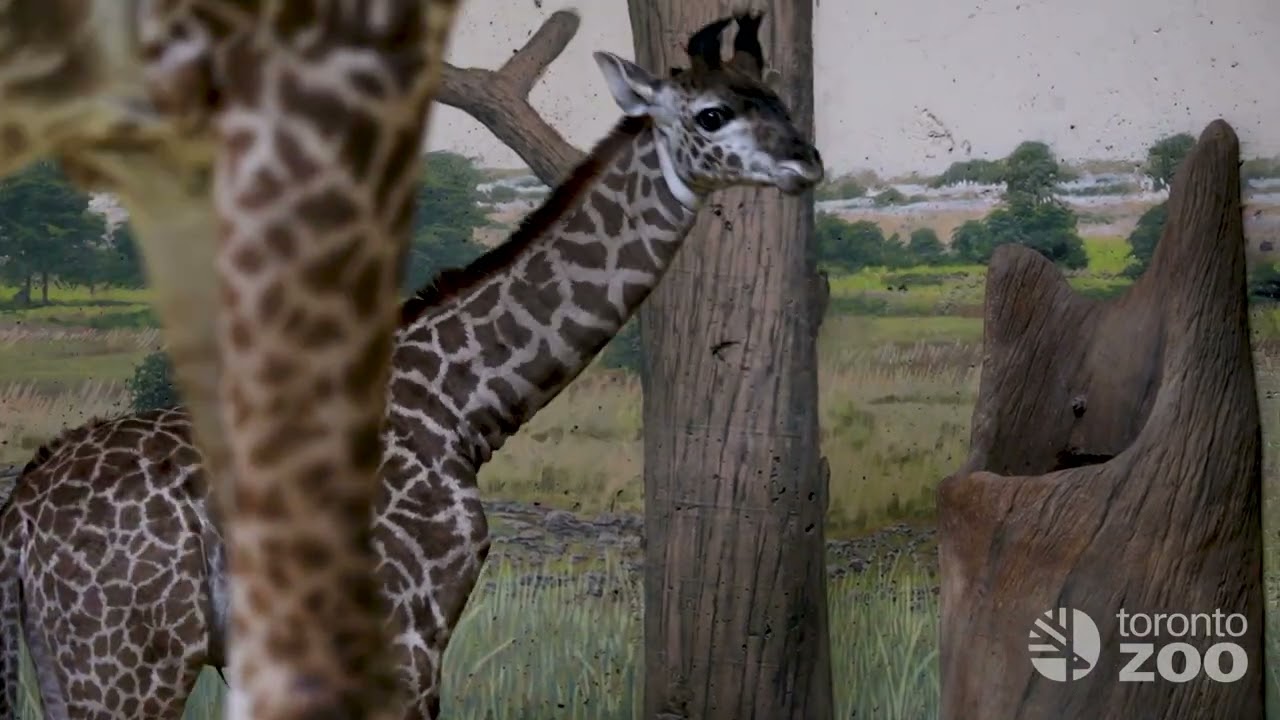
- Introduction to #BabyLongNeck Has A Name 🦒 and its impact on public engagement and wildlife awareness.
- Zoological insights into giraffe biology, behavior, and the specific characteristics of the giraffe in question.
- The role of modern zoos in conservation and education, with a focus on giraffes.
- Challenges and strategies involved in giraffe conservation in the wild.
- How naming contests and public involvement can contribute to wildlife conservation efforts.
BabyLongNeck Has A Name 🦒 has captured public attention, highlighting the fascination with giraffes and sparking a wave of enthusiasm for wildlife awareness and conservation. This phenomenon is not merely a nod to the charm of young animals, but a strategic step in engaging broader audiences in critical conservation efforts. #BabyLongNeck Has A Name 🦒 serves as both a celebration and a call to action, bridging the gap between public curiosity and vital zoological education.
Giraffes are among the most recognizable animals due to their striking height and distinctive necks. Scientifically known as Giraffa camelopardalis, giraffes are the tallest terrestrial animals. Their elongated necks, a result of evolutionary adaptations, enable them to browse foliage inaccessible to other herbivores, reducing competition for food resources. Despite having only seven vertebrae, like humans, a giraffe’s neck is disproportionately long, exhibiting unique morphological adaptations that fascinate researchers and laypeople alike.
The giraffe’s skin boasts a pattern unique to each individual, serving as a natural camouflage against predators. Their long legs facilitate remarkable speeds, allowing them to outrun most danger. These gentle giants are social animals, often found in loose herds where individuals frequently interact. Mothers are notably protective, and the process of naming this particular calf is an engaging way to foster a deeper understanding of their familial bonds and social dynamics.
Modern zoos shoulder significant responsibility for conservation. Beyond serving as places of entertainment, they have become sanctuaries for preserving endangered species like giraffes. With threats such as habitat loss and poaching, conservation programs within zoos are crucial. These programs focus on breeding, animal research, and reintroduction efforts. Zoos also play an educational role, raising awareness about wildlife and environmental issues. The involvement of the public through initiatives like #BabyLongNeck Has A Name 🦒 helps disseminate knowledge, create emotional bonds, and foster collective responsibility towards wildlife preservation.
Challenges faced in the wild are numerous for giraffes. Habitat destruction due to agricultural expansion, illegal poaching for bushmeat and hides, and civil unrest in some regions contribute to their declining numbers. These factors must be addressed through concerted conservation efforts, combining local community engagement, international support, and scientific research. Translocation and habitat protection are two strategies employed by conservationists, necessitating collaboration across borders to facilitate wildlife corridors and secured grazing areas.
Public participation through naming contests holds more value than sheer novelty. It encourages community involvement and heightens awareness, sparking conversations about conservation. Naming can create a personal interest in individual animals, leading to increased support for conservation initiatives. By sharing stories and experiences related to specific animals like #BabyLongNeck Has A Name 🦒, zoos can enrich educational outreach and inspire action, thereby enhancing conservation efforts.
This concerted engagement underscores the role of community in wildlife conservation. By transforming interest into action, initiatives centered on individual animals help channel enthusiasm into measurable conservation support. Whether through financial contributions or advocacy, the impact of these efforts is magnified when the public feels a personal connection. Embracing wildlife conservation is not just a scientific exercise but a shared journey that can be fueled by initiatives as seemingly simple as naming a baby giraffe.
In summary, #BabyLongNeck Has A Name 🦒 is a gateway to greater understanding and involvement in the global challenge of wildlife conservation. As we celebrate these remarkable creatures, it is vital to translate admiration into action, ensuring that giraffes and other endangered species continue to inspire future generations. Engaging the public in meaningful ways, through simple acts like naming a calf, can pave the way for profound conservation outcomes, encouraging active participation in preserving the natural world.
*****
Source Description
The community has spoken and the votes are in!
The female Masai giraffe calf, born February 22nd and affectionally known as #BabyLongNeck, now has a name and we are so grateful to everyone who participated! This is the highest engagement we have ever had with a naming contest, a reflection of the love and support our community feels for the animals in our care at their Toronto Zoo. With over 23,000 votes, there was a clear winner, and we’re thrilled to share the giraffe calf’s name is….
🦒 IMARA 🦒
Imara, which is Swahili for strong, firm, and resilient, was one of five names included in the voting contest. The names were chosen through a partnership with the Kenyan Honorary Consulate in Toronto, ensuring the translation was fitting for this majestic, endangered species.
“There’s something deeply hopeful about what our community has chosen to name this calf” says Dolf DeJong, CEO, Toronto Zoo. “She stands for a symbol of strength, optimism and resilience not only for her endangered species but in a world eager to be reminded that hope still thrives.”
Imara made her public debut to Toronto Zoo guests on Friday, March 13th and quickly became a very cherished member of the Zoo family. The lineups to see her stretched through the Toronto Zoo’s Africa Savanna over March Break, and we are grateful to our guests who continue to respect this new addition by containing their joy and excitement and remaining calm and quiet in the giraffe house. This has been so helpful as she experiences crowds for the first time. Imara continues to bond with Mom, Mstari, nursing and getting the occasional case of the zoomies as she bounds around the habitat with her gangly long legs. Though she looks small in comparison to Mstari (who stands at approximately 15ft), Imara was a striking 6 ft4” when she was born and has already grown to just shy of 7ft in the last five weeks.
Your Toronto Zoo is part of the Association of Zoos and Aquariums (AZA) Masai Giraffe Species Survival Plan® (SSP), a cooperative breeding program among accredited zoos.
In December 2018, the conservation status of Masai giraffes was elevated to Endangered by the International Union for Conservation and Nature (IUCN). Fewer than 35,000 Masai giraffes survive in the wild, having experienced more than a 50% decline in the past 30 years. Illegal hunting and habitat loss are their primary threats. Your Toronto Zoo continues to support field conservation efforts for the species through the Wild Nature Institute’s Masai Giraffe Project.
Celebrate Imara’s arrival by adopting her today! Your support helps the Zoo care for animals, offer educational experiences, and protect wildlife through vital conservation programs. By adopting Imara, you’re helping her thrive as she grows. Visit wildlifeconservancy.ca to learn more and be part of Imara’s journey from the very beginning.
