
- The unique adaptations of the ocelot for stealth hunting.
- The social behavior and habitat preferences of ocelots.
- The importance of conservation efforts focused on ocelots.
- The role of facilities like The Dallas World Aquarium in wildlife education and conservation.
- The ecological significance of ocelots within their environments.
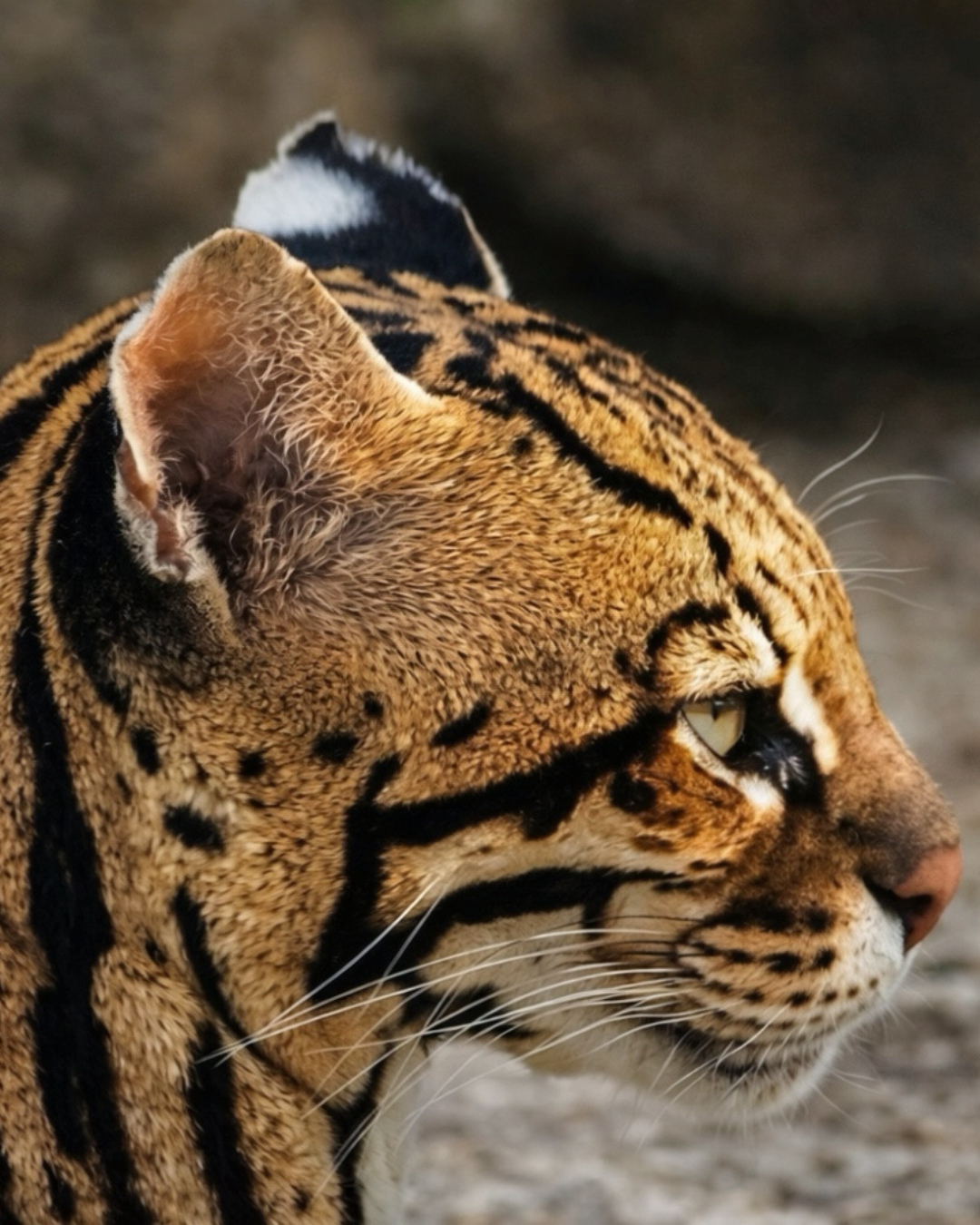
The ocelot, with its exquisite coat and agile movements, exemplifies nature’s design for stealth hunting. Its fur, adorned with dark rosettes and spots, allows it to blend seamlessly into its environment. When the golden hour casts warm light across the forest, the ocelot’s markings create an illusion, helping it evade predators while becoming nearly invisible to its prey. This adaptation is not just for aesthetics; it plays a critical role in the ocelot’s survival. In dense thickets and shadowy underbrush, vision and agility are vital for hunting smaller mammals, birds, and reptiles.
Ocelots are primarily solitary creatures, employing stealth as their primary hunting strategy. Their keen senses—acute hearing, excellent night vision, and a well-developed sense of smell—allow them to track and ambush unsuspecting prey. During the twilight hours, they harness the fading light, making their moves calculated and precise. This behavior echoes the adaptability of numerous wild cats, serving as a testament to evolution’s intricacies.
Habitat plays an essential role in the life of an ocelot. These cats inhabit a variety of environments, favoring dense forests, grasslands, and scrublands throughout their range, which extends from the southern United States down through Central and into South America. They prefer areas with dense vegetation that provides ample cover—essential for stealth hunting. The diverse structures of these habitats allow them to stalk prey and avoid larger predators like jaguars or humans.
Behaviorally, ocelots exhibit a fascinating mix of both individuality and social interaction. While primarily solitary, they engage with one another during mating seasons, exchanging scent markings to communicate territory and availability. Males often roam larger territories than females, marking their paths with urine and scratchings. This territorial approach minimizes competition and increases breeding success.
Conservation efforts aimed at preserving ocelot populations are paramount. Unfortunately, their habitats are increasingly threatened by deforestation, urban development, and agricultural expansion. This loss not only endangers the ocelot but also disrupts the entire ecosystem, which relies on these skilled hunters to maintain a balanced food chain. Organizations working to conserve ocelots focus on habitat preservation and restoration, alongside fostering human-wildlife coexistence strategies. Understanding the ecological role of ocelots prompts conservationists to advocate for significant policy changes to safeguard their habitats.
In facilities like The Dallas World Aquarium, the message of conservation becomes tangible. The aquarium serves as an educational resource, helping visitors understand the vital importance of ocelots in their ecosystems. Through various exhibits, the aquarium strives to educate the public about biodiversity and the current threats faced by many species, including ocelots.
Conservation programs in zoos and aquariums play a crucial part in the broader mission to conserve wildlife. The Dallas World Aquarium partners with conservation groups, using its platform to drive awareness about the needs of ocelots and their habitats. Educational programs highlight the significance of conservation efforts, fostering a deeper understanding of wildlife management and ecological stewardship among visitors.
As apex predators within their ecosystem, ocelots help control the populations of their prey, thus maintaining balance. The presence of ocelots indicates a healthy habitat, making their conservation essential for ecological integrity. Their predation directly influences the diversity and population dynamics of smaller mammals and birds, serving to illustrate the interconnectedness of species within an ecosystem.
In different regions of their range, ocelots face varying challenges. In Texas, ocelots are rare, reducing their populations through intentional habitat destruction and human encroachment. Dedicated conservationists work tirelessly to monitor ocelot populations and to reforest areas beneficial to their survival. By creating wildlife corridors, they seek to connect fragmented habitats, allowing for safer migration and interaction. Even small actions can yield significant results when harnessed collectively in advocacy.
Moreover, public awareness and community involvement significantly influence the success of conservation initiatives. By engaging local communities, building support for ocelot conservation is tangible. Education inspires individuals to become advocates for wildlife and the environment, facilitating a culture of conservation that extends beyond personal interest.
In the golden hour, when the sun dips low, and the light turns golden, ocelots capture the essence of their surroundings. The beauty lies not just in their physical features but in their remarkable ability to adapt and thrive within complex environments. With continued emphasis on conservation efforts, educating the public, and ongoing research, the hope for a sustainable coexistence with the ocelots can flourish, ensuring that future generations will still witness their elegance and skill in nature’s stage.
Understanding the ecological impact of species like the ocelot enhances both research and conservation practices. The knowledge gained and shared can shape future policies, fostering collaborations between local communities, governments, and conservation organizations. As they navigate the challenges of habitat loss and climate change, the crucial role of ocelots remains clear. Their unique adaptations serve as a reminder of nature’s intricacy and the urgent need for environmental stewardship.
In summary, the blend of beauty, stealth, and ecological significance of the ocelot encapsulates the multifaceted relationship between wildlife and their habitats. Visitors can engage with this understanding at The Dallas World Aquarium, witnessing firsthand the importance of conservation efforts. As awareness spreads, the ongoing mission to protect ocelots and their ecosystems remains more vital than ever. Each small step contributes to a larger, more significant movement for wildlife conservation, emphasizing the need for a unified effort toward preserving our planet’s diverse life forms.
*****
Source Description
Golden hour hits a little different when you’re built for stealth. 🐆
This ocelot’s striking coat is a lot more than its beauty. Those bold patterns help it disappear into the shadows of dense forests, making it one of nature’s most skilled little hunters.
While you might find one in the southernmost tip of Texas (out in the wild)… you can experience that same beauty right here at The Dallas World Aquarium.
📸 @amberrsphotography
