
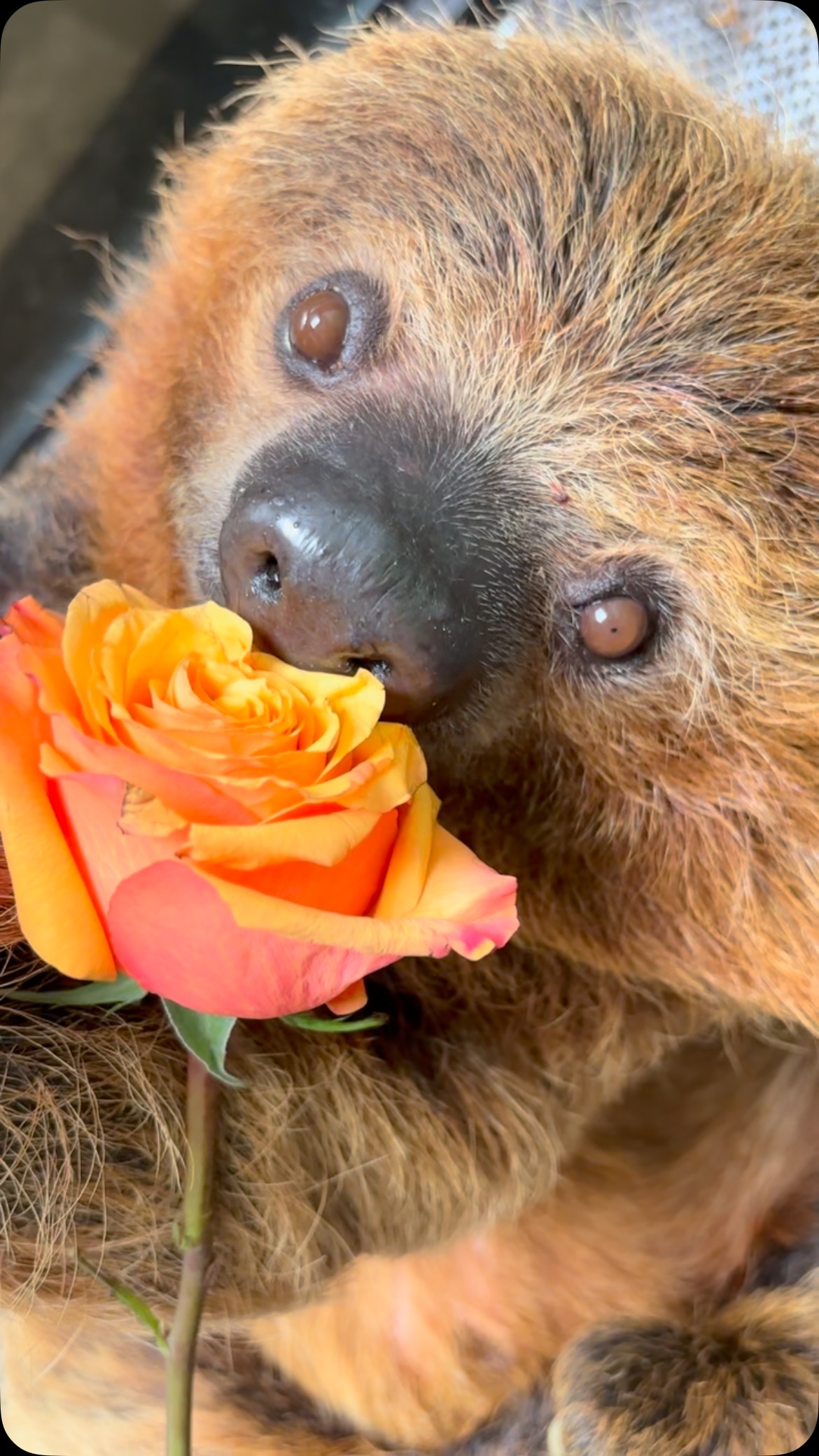
- The significance of Valentine’s Day enrichment in zoological settings
- Creative and engaging activities for animals on Valentine’s Day
- The role of staff and caregivers in facilitating animal enrichment
- How enrichment contributes to animal welfare and conservation efforts
- Community involvement and public education on animal enrichment
Valentine’s Day often evokes images of love and affection, but it also provides a unique opportunity to enrich the lives of animals in zoos and wildlife parks. The significance of Valentine’s Day enrichment is rooted in promoting mental and physical well-being for animals. This specialized enrichment encourages species-appropriate behaviors, helping to reduce stress and allowing animals to express natural instincts. It serves as a reminder that animal care extends beyond feeding and habitat maintenance. Instead, it involves creating stimulating environments that cater to the specific needs of various species.
On Valentine’s Day, caregivers and staff at zoological institutions often employ creative and engaging activities designed specifically for animals. These activities can include the presentation of heart-shaped treats, the decoration of habitats with fragrant flowers, or the introduction of novel objects that spark curiosity. For example, zookeepers might fill foraging devices with animal-safe fruits and vegetables, enticing animals to search for hidden morsels. Such activities promote not only physical activity through foraging behaviors but also mental engagement as animals problem-solve to access their rewards.
The involvement of staff and caregivers is crucial in facilitating effective animal enrichment. These individuals possess a deep understanding of each animal’s behavior, dietary needs, and social dynamics. Through careful observation, they can tailor enrichment activities that are appropriate for each species, ensuring that animals are not only entertained but also challenged. For instance, exotic birds may benefit from puzzles that require them to figure out how to extract food hidden within devices, improving their cognitive skills. In contrast, larger mammals like elephants might engage in sensory exploration through the use of different textures and scents in their habitats.
Enrichment plays a vital role in animal welfare. It alleviates behavioral issues that may arise from boredom or stress. Animals that are physically and mentally stimulated are less likely to exhibit stereotypical behaviors, such as pacing or over-grooming, which are common indicators of distress. By improving overall well-being, enrichment directly contributes to conservation efforts. Animals that thrive in controlled environments are more likely to succeed if reintroduced into their natural habitats, thus supporting the preservation of endangered species. Furthermore, demonstrating the success of enrichment programs can garner public support for conservation initiatives, reinforcing the idea that well-cared-for animals make for positive ambassadors of their species.
Community involvement plays a crucial role in spreading awareness about animal enrichment. Educational programs that invite public participation offer an avenue to share knowledge about animal care and conservation. Engaging the community in enrichment activities fosters a sense of responsibility toward wildlife and can inspire future generations to advocate for animal welfare. For instance, local schools might collaborate with zoos to create enrichment items or habitats, allowing students to learn about species-specific needs while contributing to the well-being of animals.
Public education efforts also include the use of social media platforms to showcase enrichment activities. By posting videos and images of animals interacting with Valentine’s Day-themed enrichment, institutions can illustrate the importance of mental stimulation in a visually engaging manner. Such content not only captivates animal lovers but also informs a wider audience about the necessity of animal welfare practices and the interconnectedness of all species within an ecosystem.
In summary, Valentine’s Day enrichment is much more than a festive occasion; it presents a vital opportunity to focus on animal welfare and conservation. Creating engaging activities and utilizing community involvement enhances understanding of the needs of various species. The initiative underscores the importance of mental stimulation and offers a chance for organizations to educate the public on how they can contribute to animal welfare through involvement and advocacy. As zoos continue to evolve in their roles as conservation entities, enrichment activities will remain essential components of an animal’s life, promoting happiness and well-being in a world that increasingly values compassion towards all living beings.
*****
Source Description
A small taste of today’s Valentine’s Day enrichment 🌹
🎥 by Nora Villarreal, Small World Keeper
