
- Animal Play Day: A Celebration of Wildlife Education
- The Significance of Engaging Animal Enrichment Activities
- Understanding Animal Behavior Through Interactive Experiences
- The Role of Conservation in Modern Zoos
- Community Involvement and Educational Outreach
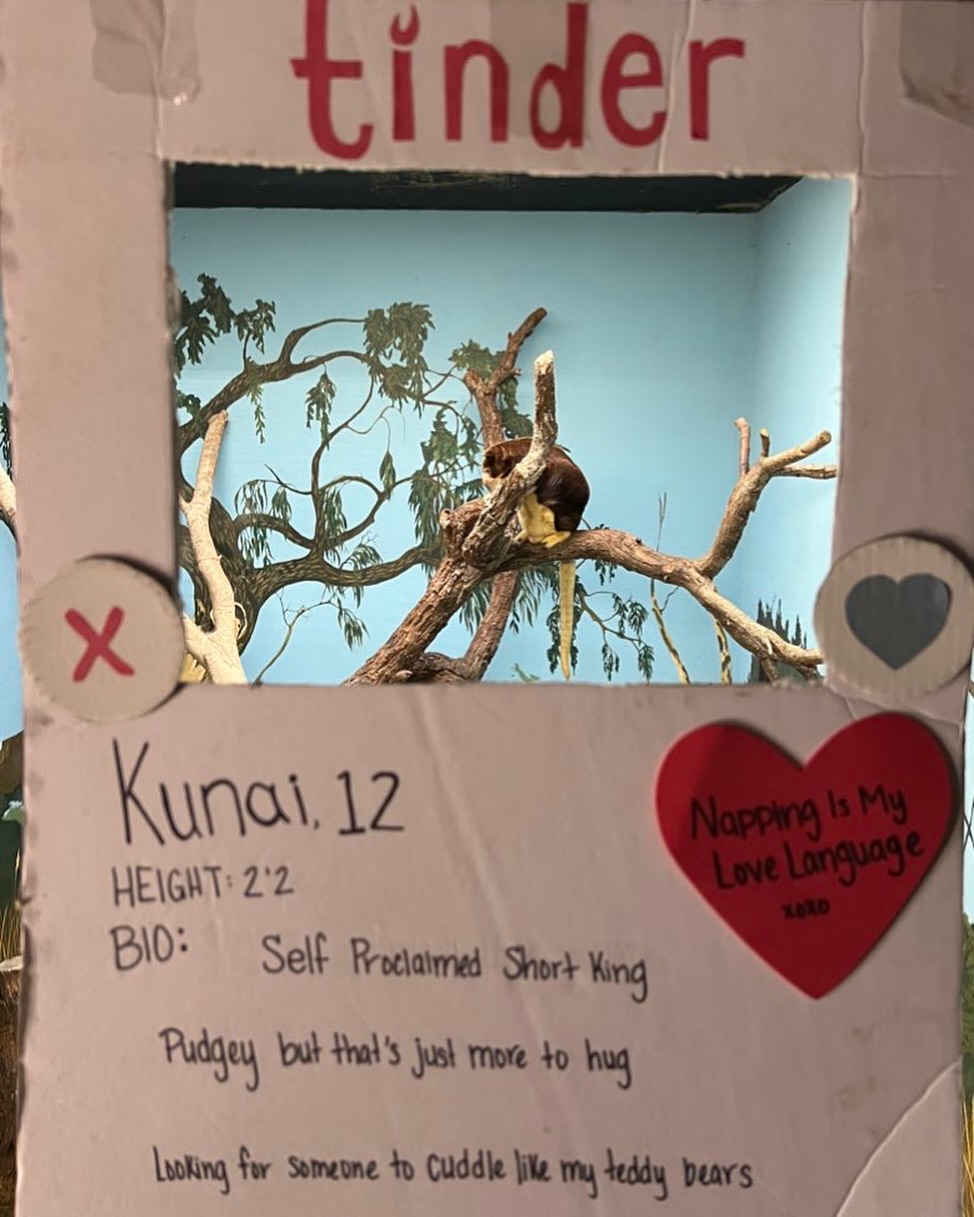
Animal Play Day was a remarkable event, showcasing not only the joy of animal interactions but also serving as a vital opportunity for education in wildlife conservation. Featuring various programs, it attracted an enthusiastic audience, eager to learn about animal behaviors and species preservation. This recap highlights the educational aspects and community engagement that defines initiatives like Swipe Right on Kunai.
Animal Play Day is designed to provide an educational platform for guests and visitors, illuminating various aspects of animal care and conservation. The excitement of the day was palpable as participants observed animals engage in playful, enriching activities. Live demonstrations and talks by zoologists and animal care experts created an interactive environment where learning became a natural part of the fun. This combination of play and education presents a unique opportunity for people to connect with wildlife.
Interactive experiences at Animal Play Day are an essential part of promoting animal well-being and environmental awareness. By engaging with animals through structured play and enrichment activities, participants can observe firsthand how these activities benefit both physical and emotional health. Enrichment is key in ensuring animals in captivity exhibit behaviors akin to those in wild settings. This approach emphasizes the importance of considering animal psychology when designing zoo environments.
One prominent feature of Animal Play Day was the focus on enrichment activities tailored to different species. For instance, sensory-rich environments suited for primates allowed them to explore and manipulate objects, thereby stimulating natural behaviors. Facilitators provided information about the benefits of these activities for animal health. For example, providing lemurs with toys and foraging challenges replicates a natural search for food, promoting their cognitive development. The audience witnessed how something as simple as a cardboard box can turn into a stimulating tool.
Understanding animal behavior is crucial to the welfare of species, especially in conservation efforts. Interaction with animals offers valuable insights into their habits and social structures. During Animal Play Day, attendees learned about how species communicate, both with one another and with humans. For instance, understanding the body language of wolves during a demonstration can lead to better care practices and enhances the human-animal bond.
Furthermore, the role of modern zoos extends beyond mere exhibition. They serve as active participants in wildlife conservation and education. Many zoos today focus on breeding programs aimed at reintroducing endangered species back into their natural habitats. Events like Animal Play Day promote these important initiatives by informing the public on conservation needs and how individuals can contribute. Participants left with actionable insights—contributing to habitat restoration, supporting wildlife charities, or adopting sustainable practices at home—all crucial steps toward conservation.
This event also exemplifies how vital community involvement is to the success of conservation initiatives. It fosters a sense of stewardship among attendees, encouraging them to take an active role in wildlife protection. Animal Play Day provided resources for local conservation organizations, allowing attendees to connect with groups focused on species preservation and habitat restoration. This collaborative effort enhances the bond between the community and the natural world.
Educators played a key role in Animal Play Day, offering workshops and presentations designed to extend knowledge beyond the event. By utilizing hands-on activities and accessible language, they made complex ideas about ecology and biology more digestible for participants of all ages. The interactions prompted questions and discussions, further enriching the learning experience.
The fusion of education and entertainment seen at Animal Play Day illustrates how effective these gatherings can be in promoting wildlife awareness. Each animal presented was not merely a spectacle; they were representatives of their species, embodying larger ecological narratives. For example, the story of the African penguin emphasized habitat loss due to climate change, leaving guests with a profound understanding of the need to protect their environment.
By participating in events like Swipe Right on Kunai, attendees do not simply witness animals; they engage with critical conservation issues that threaten biodiversity. Each interaction is a chance to foster empathy for other species. The powerful connection created through direct interaction can inspire action and advocacy.
Caring for wildlife involves more than just managing their health; it requires an understanding of the underlying ecosystems. The complexities of animal care and conservation necessitate collaboration across various disciplines, including biology, ecology, and even sociology. This holistic approach was reflected in the day’s activities, marrying scientific knowledge with practical wisdom.
Furthermore, the presence of veterinary staff during Animal Play Day allowed visitors to learn about animal health care, preventive medicine, and nutrition. Understanding how animals are cared for supports the importance of veterinary science in conservation, planting seeds for future careers among young attendees.
The impact of Animal Play Day resonates beyond a single event. It contributes to a growing movement of wildlife advocacy and education, aiming to reshape society’s perceptions of zoos from merely being places of entertainment to critical resources for conservation. As individuals engage with animals, they become ambassadors for wildlife, spreading awareness about conservation efforts.
The animal community is interconnected, much like the ecosystems that support them. Understanding this interconnectedness is vital for fostering a sense of responsibility towards wildlife. Events like Animal Play Day underscore the shared responsibility to protect not only animals but the fragile ecosystems in which they thrive.
With each animal encounter, participants are reminded of the broader context in which these species exist. The plight of a single endangered species often reflects a more significant environmental issue. Teaching the public about this interconnected relationship is crucial to fostering a deeper appreciation for biodiversity and habitat conservation.
The storytelling aspect of Animal Play Day is significant. Each species showcased has its own story tied intricately to the earth’s ecological balance. Educators and animal care professionals effectively conveyed these narratives, allowing attendees to form a personal connection with the wildlife, thereby fostering long-term advocates for conservation.
In essence, Animal Play Day exemplifies the role of modern zoos as centers for education and conservation. The efforts contribute to a social movement, emphasizing that individuals can play an affirmative role in protecting wildlife. As people gained insights from hands-on experiences with animals and information-driven sessions, they left with increased awareness and enthusiasm for conservation.
Swipe Right on Kunai aligns perfectly with this philosophy. By fostering connections through interactive learning, zoos can cultivate a more engaged and environmentally conscious citizenry. The hope is that such initiatives inspire individuals to not only take action in their lives but also advocate for lasting Change in the conservation landscape.
Educational events are pivotal in orchestrating change in how society interacts with wildlife. Therefore, extending these initiatives, utilizing technology for virtual experiences, may enhance accessibility and reach, marking further progress in conservation education. Outreach programs can create wider networks, ensuring that the message of conservation and ecological responsibility spreads far beyond a single event.
Together, these factors highlight the importance of Animal Play Day and events like Swipe Right on Kunai in promoting wildlife education and conservation efforts. Through engagement, enrichment, and education, participants can contribute meaningfully to protecting the essence of our planet’s biodiversity.
*****
Source Description
Swipe right on Kunai ➡️
Animal Play Day was wild! We’ll be posting the full recap tomorrow ❤️
