
- The life cycle of the adorable African pygmy hedgehog.
- The conservation status of hedgehogs and their ecological importance.
- The role of zoos in hedgehog education and conservation efforts.
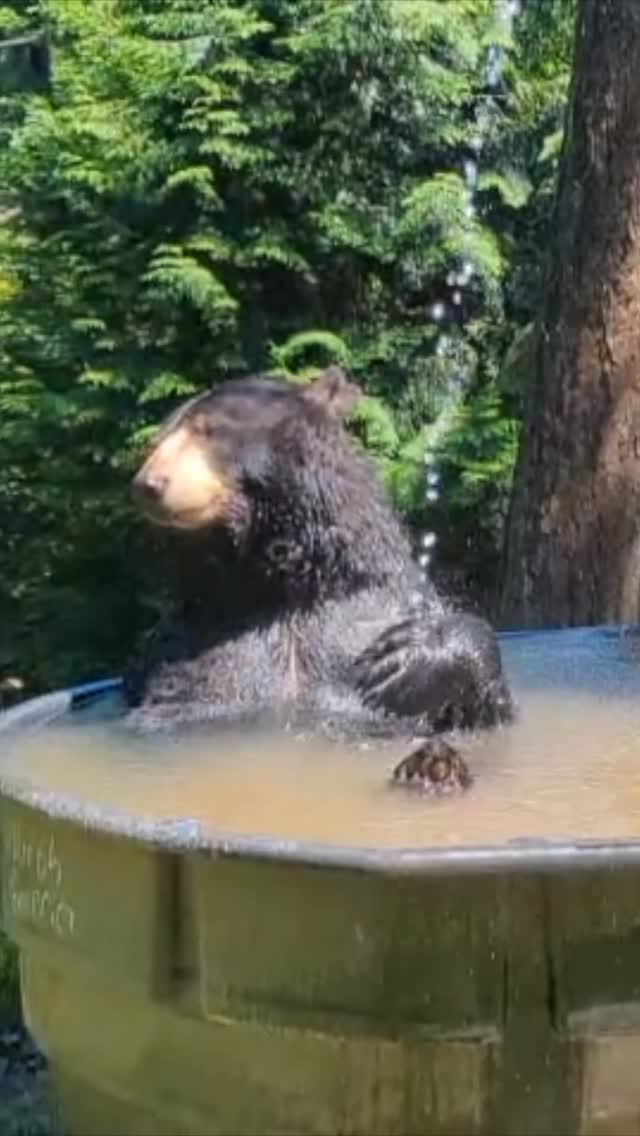
- Keeper Sara’s connection with her charge: A Cubby in his Tubby.
- How public awareness impacts wildlife conservation.
In the wild, hedgehogs are often found in small, wooded areas and gardens, foraging at night. The African pygmy hedgehog, a smaller, domesticated relative of wild hedgehogs, has gained popularity as a pet. These creatures are fascinating not just because of their looks but also due to their unique behaviors. A Cubby in his Tubby is a delightful portrayal of their personality.
Hedgehogs have a life cycle that typically spans three to five years, although certain care factors can extend their lifespan in captivity. They are born blind and hairless, completely dependent on their mothers. Within a few weeks, they start developing quills. By the time they reach six weeks, they are weaned and become curious little explorers. Their habitats typically include nests made of leaves and grass, which they create for security.
In terms of diet, hedgehogs are insectivores, primarily consuming insects in the wild. Mealworms, crickets, and certain fruits and vegetables are often part of their diet when domesticated. Owner awareness of proper care is paramount, as feeding them the wrong types of food can lead to health complications.
Conservation of hedgehogs is essential. Unfortunately, wild hedgehog populations are facing threats due to habitat loss, road mortality, and pesticide use. These factors have significantly decreased their numbers in many areas. Their ecological importance cannot be overstated. As natural pest controllers, hedgehogs contribute significantly to the balance of their ecosystems. They feed on pests that would otherwise harm crops and gardens.
Zoos play an integral role in educating the public about wildlife conservation, specifically regarding the plight of hedgehogs. They use various methods to engage visitors, including exhibits that mimic the hedgehogs’ natural habitat. Educational programs facilitated by keepers highlight the importance of preserving the habitat of these creatures. Keeper Sara, for instance, shares her knowledge about A Cubby in his Tubby, emphasizing how audience engagement can lead to greater public accountability towards conservation efforts.
A Cubby in his Tubby serves as an affectionate representation of a hedgehog’s daily life and routines. From the way he explores his enclosure to his interactions with Keeper Sara, viewers gain insight into the species’ behaviors. This connection between handler and animal fosters appreciation and knowledge about the responsibilities that come with pet ownership and wildlife protection.
Above all, awareness remains crucial. Every individual can contribute to conservation efforts. Simple actions such as creating hedgehog-friendly gardens or participating in local conservation programs can have lasting impacts. Social media and platforms such as Instagram allow for the quick dissemination of information, making it easier than ever for the public to become informed advocates for wildlife.
By learning about a creature like A Cubby, audiences are inspired not just to acknowledge the intrinsic value of wildlife but also to engage actively in conservation initiatives. Ultimately, education fosters compassion and a sense of responsibility, which are essential for the survival of species both in captivity and in the wild.
*****
Source Description
A Cubby in his tubby
🎥 Keeper Sara
