
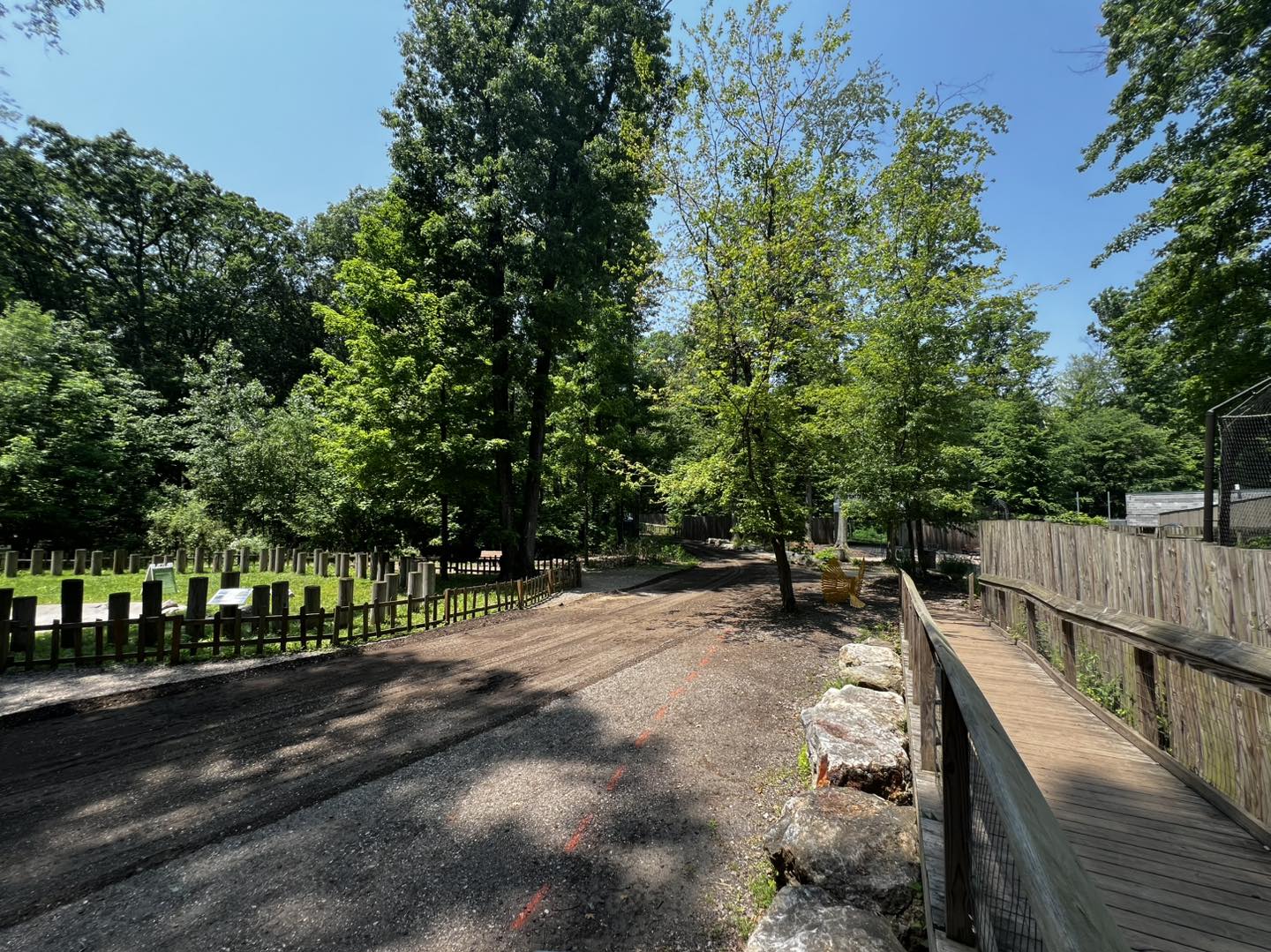
- Paving work on the African Trail is a significant improvement for visitor experience.
- Access to specific animal habitats will be temporarily limited, but alternative experiences remain available.
- The project is made possible through generous donations and collaboration with Lakeland Asphalt.
- This article highlights the importance of accessible pathways in zoos regarding animal welfare and visitor engagement.
- Weather permitting, the trail is set to reopen on Thursday, allowing a return to normal activities.
The African Trail at the zoo is undergoing exciting renovations as paving work finally commences near the lion and painted dog habitats. This long-awaited project is aimed at enhancing the overall experience for both visitors and the animals. Paved pathways improve accessibility, making it easier for all guests to navigate the zoo while enjoying the wildlife exhibits.
During this construction phase, access to specific animal habitats, including the lions, Aldabra tortoise, African painted dogs, and red-capped mangabeys, will be temporarily restricted. This is an essential step to ensure the safety of both the animals and the visitors while the work progresses. For those planning a visit during this time, it’s reassuring to know that giraffe feeding at the Twiga Deck will still be available. The cheetahs remain visible, and guests will have the option to take a backward walk along the trail toward Monkey Valley.
The importance of the paving project cannot be overstated. Generous donors and the skilled team at Lakeland Asphalt are key stakeholders in making this possible. Contributions from the community play a significant role in the zoo’s ability to carry out such improvements. Fundraising efforts allow for the necessary upgrades that enhance visitor experience and animal habitats alike.
Paths in a zoo are more than just walkways; they facilitate better animal welfare and visitor engagement. Well-constructed paths can minimize stress for animals while also catering to the mobility requirements of all guests. For example, accessible pathways allow visitors with disabilities to interact with the exhibits more comfortably. Improved pathways also encourage educational opportunities, as visitors can move easily from one exhibit to another without obstruction.
In terms of animal welfare, the construction of appropriate pathways impacts animals in various ways. Stress can adversely affect animal wellbeing. Temporary disruptions, such as those occurring during paving, are crucial for long-term enhancements. The goal is to create a more controlled environment where animals can thrive while allowing guests to learn and appreciate wildlife behavior and habitats.
The Aldabra tortoise, for instance, is a species that requires specific handling during such upgrades. These tortoises are among the largest in the world and can live for over a hundred years. They thrive in environments that mimic their native habitat in the Seychelles, where moisture and vegetation are plentiful. By minimizing stress during the construction phase, this species can maintain its health standards, contributing to conservation efforts for endangered species.
African painted dogs, known for their cooperative hunting skills, are another focal species impacted by this construction. The paving work aims to enhance their exhibit, allowing visitors a better view of these fascinating animals. These unique predators face various threats in the wild, including habitat loss and diseases. By improving their display area, the zoo educates visitors about their lifestyle and the conservation efforts in their native ranges.
In the context of the red-capped mangabeys, another frequently visited species, the key takeaway is the role of accessibility in wildlife education. These primates are known for their social behavior and intelligence. Providing a clear viewing path enriches the visitor experience, encouraging learning and better understanding of their role within the ecosystem.
While the African Trail undergoes these changes, the zoo remains committed to providing engaging experiences. Giraffe feeding at the Twiga Deck allows guests to interact closely with these gentle giants. Giraffes are social animals with unique behaviors, and this hands-on experience reinforces the zoo’s educational mission.
Cheetahs, known for their incredible speed and grace, offer another captivating encounter for visitors. Despite the construction, the visibility of cheetahs remains uninterrupted. These animals are of special concern in conservation circles, as their populations are dwindling in the wild due to habitat fragmentation and human conflict. By ensuring that visitors can observe cheetahs during construction, the zoo draws attention to the ongoing issues surrounding their conservation.
For those who wish to explore, walking backward along the trail to reach Monkey Valley remains an option. This path also features species that contribute to the zoo’s conservation and education programs. The importance of species like monkeys in educational contexts cannot be overstated. Their social structures and behaviors provide insight into both wildlife and human interactions within ecosystems.
We highly appreciate your patience as we undertake these vital improvements. A better pathway system not only enhances your experience but also aligns with wider zoo management goals regarding visitor safety and animal welfare.
Animal welfare is a top priority in zoo management. Beyond providing enriching habitats and proper nutrition, it also includes ensuring the physical comfort of animals. A less stressful environment leads to healthier animals, which, in turn, enhances their engagement with visitors.
As paving work continues, there is excitement in the air. The completion of this project means an improved African Trail, enriched animal habitats, and more comfortable pathways for guests. The expected reopening is set for Thursday, weather permitting. This timeline allows the zoo to re-establish normal activities quickly, welcoming guests back to the captivating world of wildlife observations.
In summary, the improvements made to the African Trail represent a multi-faceted approach to zoo management. By focusing on infrastructure, animal welfare, visitor engagement, and educational opportunities, the zoo remains committed to enriching the experience of every visitor. The paving work is more than just construction; it’s about fostering a profound appreciation for wildlife, conservation, and the delicate balance shared between nature and humanity.
With the ongoing efforts from community support and dedicated organizations like Lakeland Asphalt, the future looks promising. This dedicated work not only enhances the physical infrastructure but also reinforces the conservation message embedded within the zoo’s mission. By bridging the gap between people and animals, the African Trail’s developments highlight the zoo’s commitment to education and wildlife preservation, ensuring guests leave with a deeper understanding and appreciation for the incredible diversity of life on Earth.
*****
Source Description
🚧 Exciting news from the African Trail!
Paving work is finally underway near the lion and painted dog habitats—something many of you have been hoping for, and it’s happening thanks to generous donors and our friends at Lakeland Asphalt!
While the new pavement is being laid, access to the lions, Aldabra tortoise, African painted dogs, and red-capped mangabeys will be temporarily closed for the next couple of days. But don’t worry—giraffe feeding at the Twiga Deck is still open, the cheetahs are still visible, and guests can walk backward along the trail to visit Monkey Valley!
We appreciate your patience as we make these much-needed improvements to enhance your experience at the zoo. Weather permitting, the trail should be fully reopened on Thursday!
