
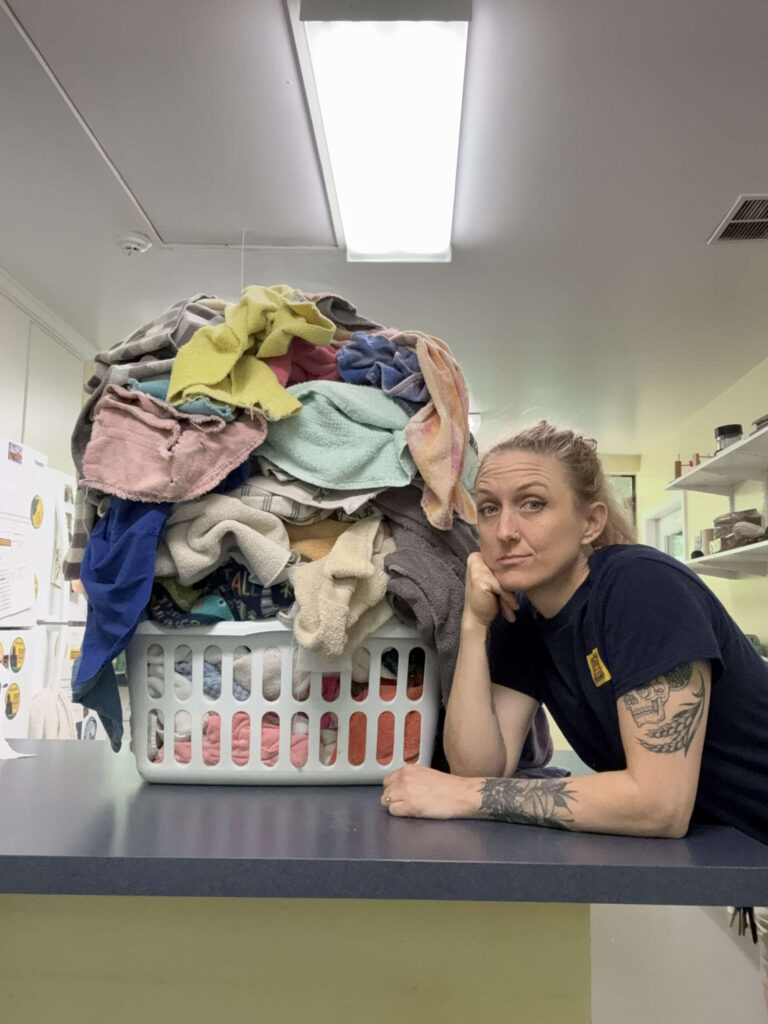
Summary of A Day in Life of a Keeper:
The journal entries from an Ambassador Animal Keeper at Zoo Atlanta on April 29, 2026, detail a typical day filled with both challenges and moments of joy. The keeper chronicles the early morning struggle to get out of bed, a boost in mood from coffee, and the consumption of a hearty breakfast. They express frustration over chaotic traffic and work clutter but find satisfaction in ensuring the animals are well taken care of.
As the day progresses, they manage to feed and clean for the animals, though laundry and dishwashing feel never-ending. Interactions with enthusiastic school children during a field trip inspire a sense of purpose. The day concludes with the keeper wrapping up their responsibilities and contemplating the chores awaiting at home, emphasizing a blend of dedication to their work and personal struggles.
- Daily responsibilities of a zoo keeper
- Importance of animal care and welfare
- Educational outreach and guest interaction
- Record-keeping and operational efficiency
- The personal impact of working as an animal keeper
Animal keepers play a crucial role in zoos, as they are the principal caregivers for the animals they tend. Their daily responsibilities range from providing food to maintaining habitats. At Zoo Atlanta, like at many accredited zoos, these duties are critical for ensuring animal wellbeing, species preservation, and educational outreach.
In the early hours of the day, animal care begins. The first tasks are typically checking on each animal, ensuring they have a safe and clean environment. Animal keepers start their mornings assessing health, looking for any signs of illness or distress. A focus on animal health involves both visual inspections and behavioral observations. Any deviations from expected behavior can indicate underlying health issues, making vigilance paramount.
Following inspections, feeding routines begin. Each species has its specific dietary needs based on their nutritional requirements, which are integral to promoting health. For instance, herbivorous animals consume a variety of plants while carnivorous species receive a mix of meats suitable for their diet. It’s essential to present the meals in a way that mimics their natural foraging behavior. This not only enriches the animal’s environment but also promotes mental stimulation, which is vital for their overall wellbeing.
Animal welfare is at the heart of an animal keeper’s duties. Constant interaction with the animals allows keepers to build relationships and understand their needs better. The emotional wellbeing of animals is just as significant as their physical health. Enrichment activities, such as giving them puzzles or varying their diets, keep their natural instincts engaged. The role of an animal keeper goes beyond feeding; it includes stimulating animals mentally and physically to ensure a fulfilling life within their enclosure.
A significant aspect of zoo management is education. Zoo Atlanta, like many institutions, is dedicated to offering educational programs. Animal keepers often act as ambassadors, interacting with guests and sharing critical information about animal behaviors, habitats, and conservation efforts. During field trips, children typically engage in hands-on activities, making connections between what they learn and real-life applications regarding wildlife and ecosystems. Such interactions foster an appreciation for biodiversity and encourage conservation-minded attitudes among future generations.
To facilitate their educational mission, keepers are also responsible for record-keeping. Comprehensive records include feeding schedules, health assessments, and behavioral observations. These records help inform future care plans and are essential for each animal’s individualized care. Accuracy in documentation allows teams to track changes over time, adapt feeding, and manage health interventions efficiently.
Operational efficiency in a zoo setting requires collaboration among different teams. Animal keepers must communicate effectively with veterinary staff, nutritionists, and other zoological professionals. Together, they work on creating comprehensive care plans, evaluating the effectiveness of enrichment strategies, and ensuring every animal’s needs are met. This cooperation enhances the overall functioning of the zoo, facilitating a unified approach to animal management.
Record-keeping extends beyond individual animal care to include population management as well. Species management is essential for conservation efforts, especially for endangered species. Many zoos participate in Species Survival Plans (SSP), which link accredited institutions together to create breeding and management guidelines for specific species. This cooperative approach is vital for maintaining genetic diversity and ensuring the long-term survival of vulnerable populations.
Finally, the personal impact of working as an animal keeper cannot be overlooked. Many people are drawn to this field by a passion for animals and conservation. However, the job often presents challenges, such as balancing emotional connections with the reality of animal care. It can be difficult when an animal is unwell or following their passing. The emotional toll is a constant behind-the-scenes reality that can challenge even the most dedicated staff.
Overall, the role of an animal keeper at Zoo Atlanta demonstrates the intricate interplay between daily animal care, educational outreach, and operational management in a setting committed to conservation. Through their hard work, animal keepers significantly influence the lives of their charges while fostering a greater understanding and appreciation of wildlife among the zoo’s visitors. Their exhaustion at the end of a long day, like Roxanne B.’s experience, reflects the tireless dedication to ensuring that every animal receives the highest level of care and the realization that each day presents a new set of challenges and rewards in the dynamic field of zoology.
