
- WWF’s 65-year history in wildlife conservation
- The significance of biodiversity and ecosystem health
- Community engagement and the role of individual contributions
- Current conservation challenges and solutions
- Future visions for wildlife and habitat preservation
The World Wildlife Fund (WWF) has been a cornerstone in the quest for environmental sustainability and wildlife protection for over six decades. Established in 1961, WWF has tirelessly advocated for the planet’s natural resources, becoming foundational in the movement toward global conservation. This organization has consistently promoted public awareness around various aspects of wildlife conservation, focusing on both land and marine ecosystems. Through protection initiatives, advocacy campaigns, and collaboration with other environmental entities, WWF has achieved numerous milestones, benefiting countless species and habitats.
Biodiversity is essential to the planet’s health. It includes the variety of life forms, including plants, animals, fungi, and microorganisms, in a given habitat or ecosystem. Each species plays a unique role, contributing to the overall balance. The loss of biodiversity leads to ecosystem degradation and reduces resilience to environmental changes. The interconnectedness of species means that the decline of one can affect many others. For example, the extinction of a predator can lead to an overpopulation of prey species, which can then damage the vegetation and alter habitats.
WWF’s efforts have greatly impacted biodiversity preservation. From protecting endangered species like the Amur leopard to working on large-scale forest conservation projects, WWF’s initiatives showcase the coalition between human interests and nature’s preservation. Such strategies often involve forming protected areas, restoring natural habitats, and promoting sustainable practices. Effective measures often rely on community engagement. Local populations are vital; their insights and traditional knowledge can significantly inform conservation strategies.
Community engagement allows individuals to have a direct role in conservation efforts. This grassroots approach builds awareness and educates people about the importance of local ecosystems. For instance, WWF has worked with indigenous groups to protect areas that hold significant biodiversity. These partnerships reinforce the understanding that conservation is not just a battle against large corporations but also a community-driven endeavor. As stakeholders, communities can be pivotal in the management of resources and habitats.
However, numerous challenges still hinder conservation efforts. Climate change poses a pressing dilemma. It alters habitats and migration patterns, endangering species in their ecosystems. For example, rising ocean temperatures threaten coral reefs, which are crucial for countless marine species. Similarly, the melting of polar ice caps endangers wildlife such as polar bears and seals.
Pollution is another significant challenge. Contaminants in water, air, and soil affect wildlife health and biodiversity. Marine pollution, particularly plastic waste, poses severe threats to oceanic life. Many marine animals ingest plastic or become entangled in debris, leading to injury or death. Such encounters not only reflect a massive loss of animal life but also disrupt entire marine food webs, further destabilizing ecosystems.
Land use changes, driven primarily by agriculture and urban development, reduce habitats. Deforestation for agricultural expansion destroys crucial ecosystems, impacting countless species. This change not only threatens the animals that rely on these habitats but also diminishes the planet’s ability to capture carbon and regulate climate. Such alterations illustrate the necessity for sustainable development practices.
Despite these pressing issues, numerous solutions exist for conservation challenges. WWF has been a pioneer in advocating for policies promoting sustainability. Legislative efforts to create protected areas, such as national parks and marine reserves, allow ecosystems to flourish. Additionally, restoring ecosystems through reforestation or habitat rehabilitation can enhance biodiversity and improve ecosystem services.
Public education is also essential. WWF conducts various awareness campaigns aimed at informing individuals about the fragility of ecosystems and the importance of wildlife conservation. Engaging the public, especially younger generations, cultivates a sense of stewardship. Children who learn about nature grow into adults who advocate for its protection.
The importance of research in conservation cannot be overstated. Scientific studies help unravel the complexities of ecosystems and species interactions. Data-driven approaches facilitate the development of effective conservation strategies. As environmental challenges evolve, ongoing research equips conservationists with the insights necessary to adapt.
Despite the hurdles, the outlook for the future can still be optimistic. Engaging citizens in conservation efforts is vital to building resilient ecosystems. From advocating for better policies to adopting sustainable practices in daily life, individuals can contribute significantly. Small changes can lead to monumental improvements, as collective actions amplify impact.
WWF’s birthday wish embodies this spirit. The organization hopes to inspire individuals to share their favorite aspects of the planet, encouraging engagement. By celebrating the beauty of nature, the call aims to remind people of their connection to the environment. An engaged community can pull together to support conservation efforts.
As WWF moves forward, the need for ongoing partnerships with governments, businesses, and local communities is essential. Collaborative efforts will help stretch resources and unite various sectors for shared goals. Emphasizing the value of ecosystems will drive policies to safeguard habitats and wildlife.
The responsibility lies with each person to advocate for conservation. Whether through simple actions like reducing plastic or more extensive commitments, the collective effort can lead to substantial changes. With 65 years of achievements and challenges faced, WWF is a testament to what can be accomplished through collaboration and dedication to conservation.
Ultimately, conservation is about reconnecting to the Earth’s natural rhythms. By fostering a sense of stewardship and responsibility, WWF invites everyone to partake in shaping a sustainable future. The birthday wish serves as a reminder: the planet can thrive through our collective efforts. Embracing the beauty of nature leads to a more profound commitment to protecting it. This commitment not only benefits current generations but also ensures that future generations can enjoy the wonders of the Earth.
*****
Source Description
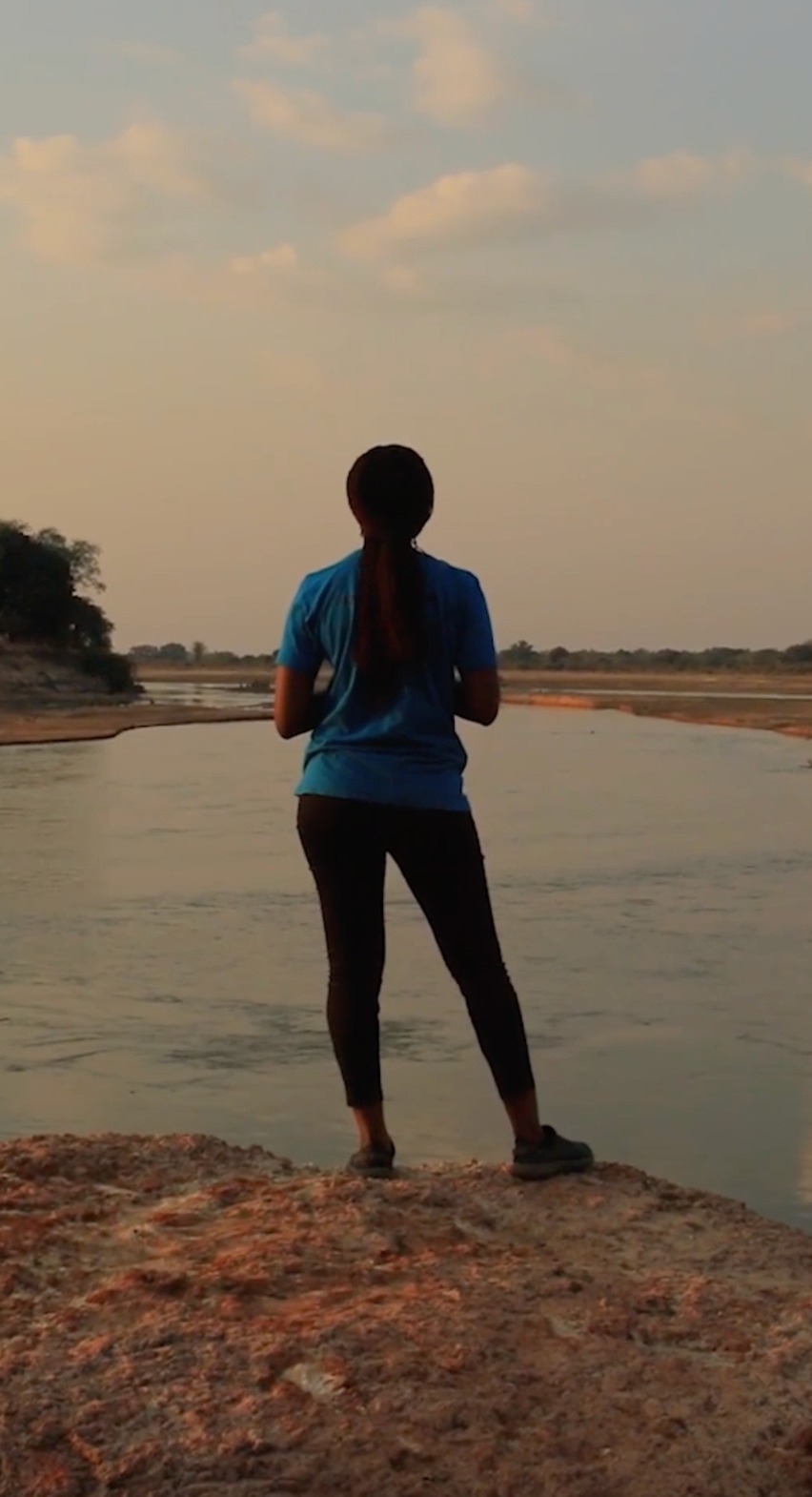
We’re turning 65 today… and we’ve got one birthday wish.
For 65 years, WWF has been standing up for the planet we all call home. And we couldn’t have done any of it without your support.
So, tell us in the comments: what’s your favourite thing about our planet? 🐋🌿
Drop it below. Let’s fill this post with every reason why it’s worth conserving our shared home!
