
- The urgent need for wildlife conservation along Brazil’s BR-262.
- The impact of human infrastructure on wildlife, particularly tapirs and giant anteaters.
- The role of wildlife tunnels in enhancing animal safety and fostering biodiversity.
- Collaborative efforts between organizations such as ICAS, Naples Zoo, and local communities.
- How individuals can support the Anteaters & Highways Project.
One of Brazil’s critical ecological corridors, BR-262, has gained infamy for the tragic toll it takes on wildlife. Dubbed the “Highway of Death,” this roadway has claimed the lives of countless animals, particularly notable species like tapirs and giant anteaters. These large, slow-moving mammals, crucial for maintaining their ecosystems, often find themselves at serious risk while crossing this heavily trafficked route. The urgency for wildlife conservation in this area cannot be overstated, as habitat fragmentation due to roads creates barriers that severely impact animal populations.
The construction of infrastructure can have devastating effects on wildlife. Roads fragment habitats, isolate animal populations, and increase mortality rates through vehicle collision. In the case of tapirs and giant anteaters, these animals often move in search of food, mates, or suitable habitats. When they encounter roads like BR-262, their journeys can become fatal. Studies show that road mortality significantly reduces population numbers and genetic diversity, threatening the future of countless species. This alarming reality underlines the pressing need for effective solutions that bridge the gap between wildlife and human activity.
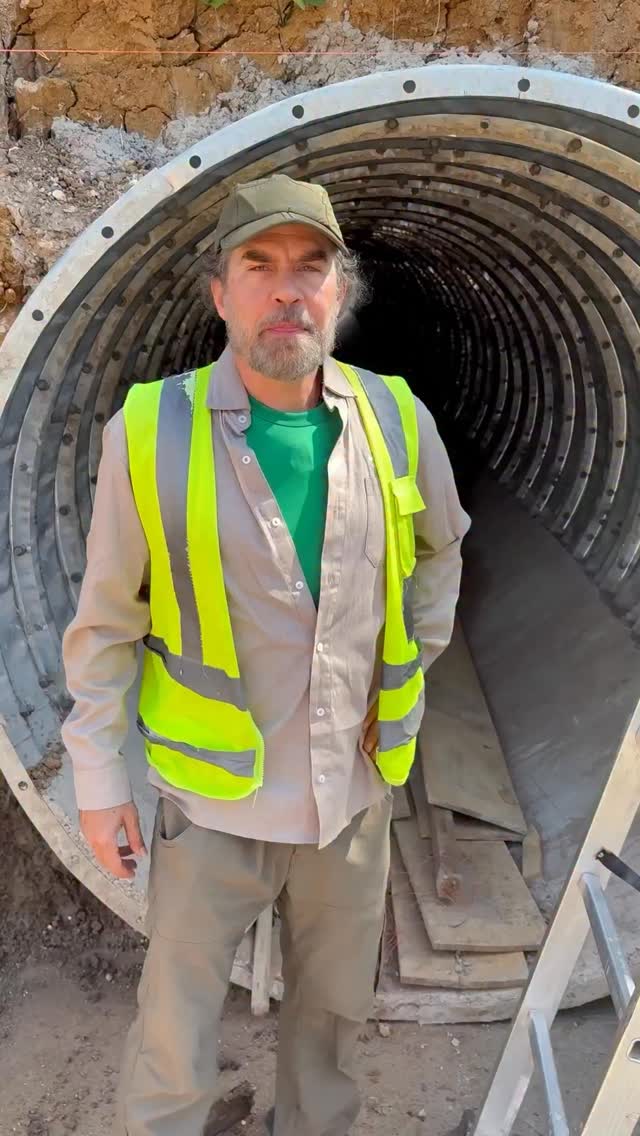
Enter the initiative to construct wildlife tunnels and overpasses, a game-changer for the conservation efforts in this region. These structures, designed to facilitate safe passage for animals, serve as critical lifelines. Wildlife tunnels allow animals to move beneath roads, reducing the risk of collisions and enabling them to access essential habitats on both sides of the highway. Importantly, these tunnels are not only about safety; they contribute to biodiversity conservation, allowing for genetic mixing among populations that may otherwise remain isolated.
The collaborative effort behind these wildlife tunnels is noteworthy. The initiative, spearheaded by the Instituto de Conservação Animal (ICAS), has brought together organizations like Naples Zoo, local communities, and various conservation groups. This united approach focuses on fostering sustainable coexistence between human and wildlife populations. Through educational outreach and community involvement, stakeholders aim to raise awareness about the importance of wildlife corridors, encouraging local residents to appreciate and protect the unique biodiversity present in their backyards.
Several key factors contribute to the success of this project. First, scientific research informs the design and placement of wildlife tunnels, considering the behavior and movement patterns of various species. By utilizing existing data, conservationists can strategically position crossings in locations where animals are most likely to use them, increasing the effectiveness of these structures. Additionally, the design incorporates features like natural vegetation and lighting, making them more inviting to wildlife.
Community engagement is another critical element. Local residents play an essential role in the project’s success, acting as stewards of their environment. Through workshops and educational programs, locals learn about the significance of the conservation effort and become motivated to participate. This engagement has fostered a sense of ownership in the project, making individuals more likely to advocate for and maintain these vital pathways.
The collaboration between ICAS and Naples Zoo has also brought substantial resources and expertise to the project. Naples Zoo has been pivotal in funding conservation initiatives, and its long-term support underscores the importance of sustained investment in wildlife conservation. Financial contributions help facilitate the construction of wildlife tunnels, while scientific guidance assists in understanding animal behaviors and needs.
Moreover, fostering public awareness is crucial for ensuring the project’s sustainability. Through social media campaigns and various outreach initiatives, the Anteaters & Highways Project aims to raise community consciousness about the potential risks facing local wildlife. Promoting the understanding that preserving biodiversity benefits everyone—including humans—reinforces support for conservation efforts. Engaging stories about tapirs and giant anteaters helped connect community members emotionally to the project, transforming abstract concepts into relatable realities.
Residents and travelers alike recognize the unique opportunity to support this pivotal conservation effort. By donating to projects like Anteaters & Highways, individuals can play a part in reshaping the future for Brazil’s wildlife. Contributions not only fund the construction of wildlife tunnels but also enhance educational initiatives and long-term conservation strategies.
Further public commitment can amplify the impacts of this project. Volunteering for local clean-up events or participating in wildlife education campaigns enriches community engagement. Such involvement fosters a deeper understanding of the interrelationship between human activity and the environment—an essential component of responsible citizenship.
Supporting wildlife conservation is vital not only for animal species but for the ecosystems they inhabit. These ecosystems provide essential services, including clean air and water, soil fertility, and climate regulation. The impact of wildlife loss extends beyond individual species; it drastically alters the balance of ecosystems, which can lead to broad environmental consequences. By protecting wildlife corridors, we also safeguard the myriad benefits these systems provide us.
As the construction of wildlife tunnels progresses along BR-262, the positive implications for both wildlife and people are becoming evident. These tunnels signify more than just a physical structure; they represent hope for future conservation efforts. The successful implementation of this model can serve as a catalyst for similar projects across the globe, addressing the pressing challenges posed by roads and development.
Scientific advancements coupled with committed community engagement signal a promising shift ahead. The progressive momentum generated by the Anteaters & Highways Project can inspire further initiatives that balance human infrastructure with wildlife conservation. By championing these causes, we contribute to a sustainable future for both wildlife and human populations.
In summary, the establishment of wildlife tunnels along the “Highway of Death” represents a significant advancement in conservation efforts for Brazil’s unique wildlife. The collaborative work of ICAS, Naples Zoo, and local communities embodies a holistic approach to wildlife preservation. Addressing the threats posed by infrastructure requires diligent dedication, and the involvement of supporters can amplify positive outcomes.
Every contribution counts in the effort to protect tapirs, giant anteaters, and the ecosystems they represent. With each step taken towards responsible wildlife conservation, we reinforce our role as stewards of the environment, ensuring that both animals and humans can thrive in harmony for generations to come.
*****
Source Description
A decade of hard work has finally turned into real-life-saving progress for Pantanal wildlife.
For years, countless animals, including tapirs and giant anteaters, have been struck on Brazil’s BR-262, a road once nicknamed the “Highway of Death.”
Today, that’s changing! We’re thrilled to share the wildlife tunnels now being built thanks to ICAS, dedicated partners, and the long-term support of Naples Zoo and our community. This is a major win for both wildlife and the people who use this highway every day.
If you’d like to support this project, you can donate here: 🔗 LINK IN BIO ➡️ Look for “Anteaters & Highways Project.”
