
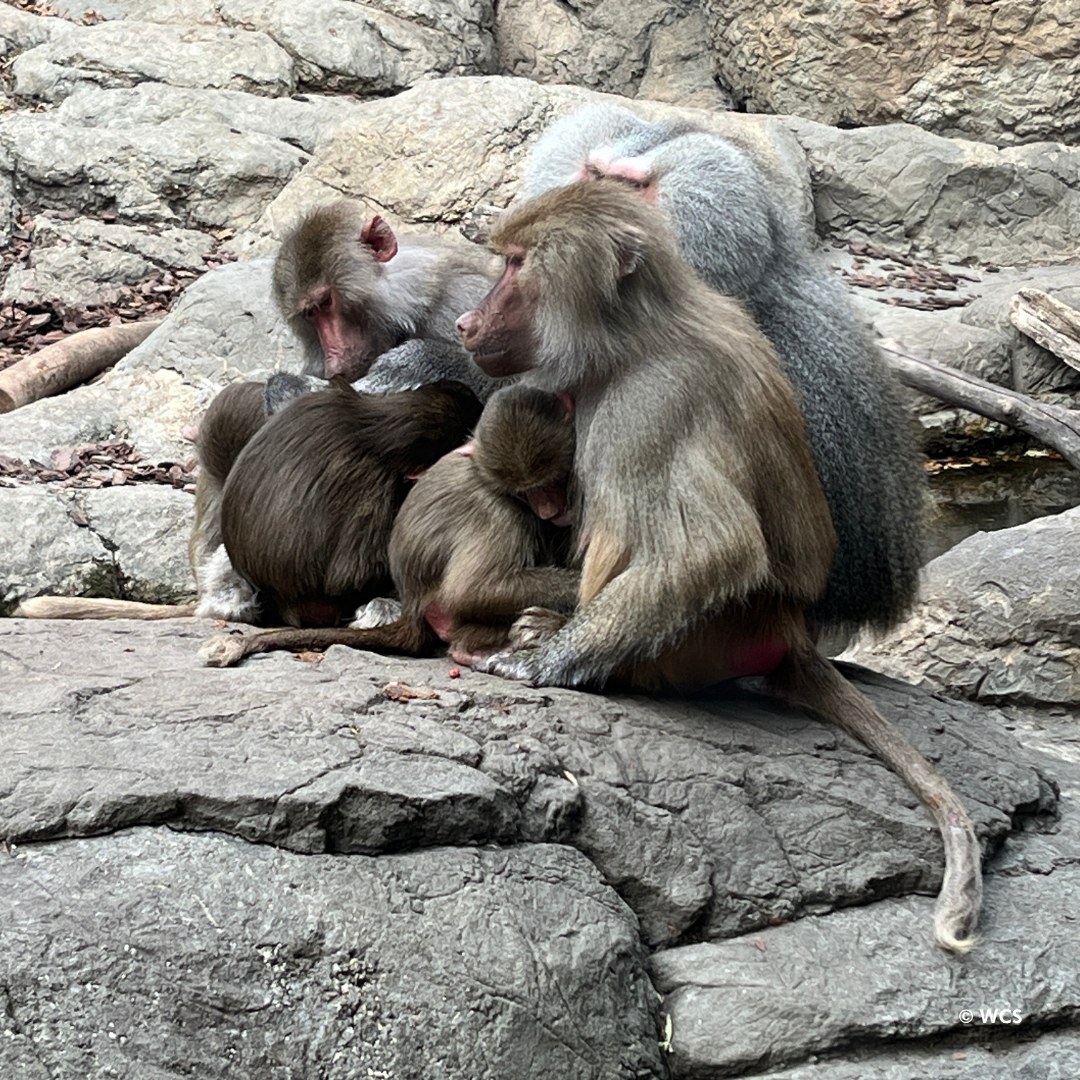
- The natural habitat of Hamadryas baboons and its climatic conditions.
- The importance of artificial rockwork for zoo animals.
- The behavioral and social structure of Hamadryas baboons.
- The role of zoos in wildlife conservation and education.
- The implications of providing controlled environments for naturalistic behaviors.
Hamadryas baboons (Papio hamadryas) are fascinating primates native to the Ethiopian highlands, an area characterized by a temperate climate. During the day, temperatures hover around 45 degrees Fahrenheit, dropping to the mid-30s at night. These conditions mirror the typical winter climate in many regions where zoos operate, highlighting the significance of habitat replication and care standards in artificial settings. Understanding their native environment is crucial for effective zoo management and animal welfare.
Amidst the cold, these baboons are often seen huddled together on specially designed artificial rockwork that incorporates built-in heating elements. This is not merely a matter of aesthetic appeal; it serves practical purposes. In colder weather, these heated rocks provide warmth, mimicking the natural behaviors these baboons engage in while seeking warmth and security in their native rocky habitats. The provision of such features allows the baboons to maintain thermoregulation while also enjoying their social dynamics.
Baboons are social animals, living in hierarchies that include complex relationships and cooperative interactions. Their colonial lifestyle often involves large groups known as troops, which are characterized by a stable social structure. Female baboons typically remain within their natal groups, while males may transfer between troops. This social system supports their survival through shared responsibilities in foraging, vigilance, and caring for young.
Understanding this social structure is essential, especially in captivity. A zoo’s environment can either support or hinder these natural behaviors. By providing enriched habitats that feature appropriate climbing structures and simulated surroundings, zoologists can facilitate social interaction and prevent the onset of stress-related complications in zoo residents. The use of artificial rock formations not only offers physical comfort but also encourages social bonding as the baboons huddle together for warmth.
The role of zoos in wildlife conservation extends beyond the care of animals like the Hamadryas baboon. Zoological institutions participate in various breeding programs aimed at maintaining genetic diversity within species populations. They also serve as vital research centers where scientists study animal behavior, health, and conservation strategies. In understanding the needs of baboons and other species, zoos contribute to broader conservation efforts, such as habitat preservation and restoration projects in the wild.
By creating environments that mimic natural habitats, zoos play an important role in educating the public about the species they house. Visitors often gain insight into the intricate lives of animals through observation and informational displays. Understanding behaviors like social huddling among Hamadryas baboons enriches visitors’ experiences and increases awareness of animal welfare and conservation challenges.
The implications of providing controlled environments conducive to naturalistic behaviors are significant for both animal welfare and public education. For instance, as Hamadryas baboons huddle on heated rocks, they engage in grooming behaviors, an essential aspect of their social interaction that contributes to group cohesion. This behavior illustrates the need for environments that support not just basic survival, but also the fulfillment of social and psychological needs.
Challenges arise when attempting to replicate the natural habitats of animals like Hamadryas baboons. While they possess the ability to endure colder temperatures, repeated exposure to stressors in artificial environments can lead to health difficulties. For this reason, zoos incorporate “creature comforts” such as heating elements in rockwork, allowing these animals to thrive even when external conditions are less than ideal. These measures underline the commitment of zoos to prioritize animal well-being.
The use of artificial rockwork with integrated heating elements allows for an innovative approach to habitat enhancement. Engineers and animal care teams collaborate to create functional and visually appealing enclosures that facilitate both animal welfare and visitor engagement. This collaborative effort reflects an understanding of the intricate balance between aesthetic design and practical functionality in zoo management, ensuring that the needs of the inhabitants are met while also offering an educational experience for the public.
Moreover, zoos can utilize these controlled environments to monitor animal behavior and health more accurately. Regular observations allow for assessments of social interactions, eating habits, and stress levels. This data can guide management strategies and inform conservation initiatives in both captive and wild populations.
As Hamadryas baboons exhibit behaviors such as huddling to conserve heat, they simultaneously offer insights into their social structures. The formation of tight-knit groups during colder weather serves multiple purposes, including protection and mutual comfort. Understanding these dynamics allows zookeepers to align care practices with natural behaviors, contributing to the overall health and happiness of the animals.
The advantages of these artificial rockworks extend beyond welfare and comfort; they actively engage the audience. Visitors witnessing the baboons huddle can draw parallels to their own experiences in social bonding, fostering a connection that highlights the importance of empathy towards wildlife. This emotional engagement is crucial in promoting conservation efforts and inspiring future generations to actively participate in protecting wildlife habitats.
Furthermore, as urban and suburban environments continue to encroach on natural habitats, the role of zoos becomes even more pronounced. Providing educational programs about the needs and challenges faced by species like the Hamadryas baboon serves to inform the public about the impacts of human activity on wildlife. Through active participation in conservation initiatives, such as habitat restoration or biodiversity campaigns, zoos can stimulate community involvement in protecting endangered species.
In-depth knowledge of animal behavior shines a light on the importance of services provided by modern zoos. The understanding that a baboon’s need for social interaction is just as vital as its requirement for sustenance emphasizes the holistic approach necessary for animal care. As more scientific data becomes available, zoos continue to evolve their practices to incorporate the latest research in animal welfare, fostering environments that promote natural behaviors and social interactions.
Zoo management teams regularly assess and adapt their strategies based on research findings, prioritizing practices that ensure the healthiest lifestyle for their residents. Such as the installation of built-in heating elements in rock work for the Hamadryas baboons represents a considered decision reflecting a commitment to their well-being.
In recent years, there has been an increasing shift towards research-driven conservation efforts. Many zoos have collaborated with wildlife organizations and researchers to form a united front against global biodiversity loss. By doing so, they participate in efforts that extend beyond their walls, impacting conservation work at crucial levels.
Much like the huddled form of the Hamadryas baboons on heated rocks symbolizing comfort and community, zoos symbolize hope. They serve as platforms for scientific study, public education, and active participation in conservation. The innovative practices that contemporary zoos adopt to care for their residents signify a broader understanding of animal welfare that respects both individual species and the ecosystems they inhabit.
As the world continues to grapple with ongoing environmental challenges, the knowledge gained from studying animals like the Hamadryas baboon informs crucial conservation tactics. This information empowers specific strategies aimed at preserving habitats and protecting wildlife populations, emphasizing the interconnectedness of all living beings. The meticulous preparation and ongoing care for creatures residing in zoological institutions underscore the importance of this mission at all levels.
Efforts to combine science, education, and conservation make zoos increasingly relevant in today’s society. With thoughtful interventions such as artificial rockwork and climate control, zoos can replicate the experiences of animals while enhancing the educational value of their exhibits. Such innovations create a dynamic ripple effect, provoking thought and action regarding animal welfare and environmental protection within the broader community.
The Hamadryas baboons’ experience encapsulates the essence of modern zoological practices, assessing the balance of natural instincts, environmental education, and conservation efforts. Inline with society’s growing recognition of wildlife conservation principles, better understanding animal needs and refining care practices will ensure that these incredible creatures continue to thrive both in and out of their controlled environments.
*****
Source Description
It’s a hot rock huddle! Our Hamadryas baboons are shown here huddled on artificial rockwork that has built-in heating elements which activate in colder weather. The Ethiopian highlands, their natural habitat, averages about 45 degrees during the day and drops to the mid 30s overnight, which is similar to our average winter conditions. While these baboons can withstand colder temperatures, we provide some “creature comforts” like these special rocks.
