
- The significance of red pandas in biodiversity and ecosystem balance
- Details about red panda birth, development, and behavior
- The role of zoos in wildlife conservation and education
- Insights into the care and management of red pandas
- The importance of public engagement in conservation efforts
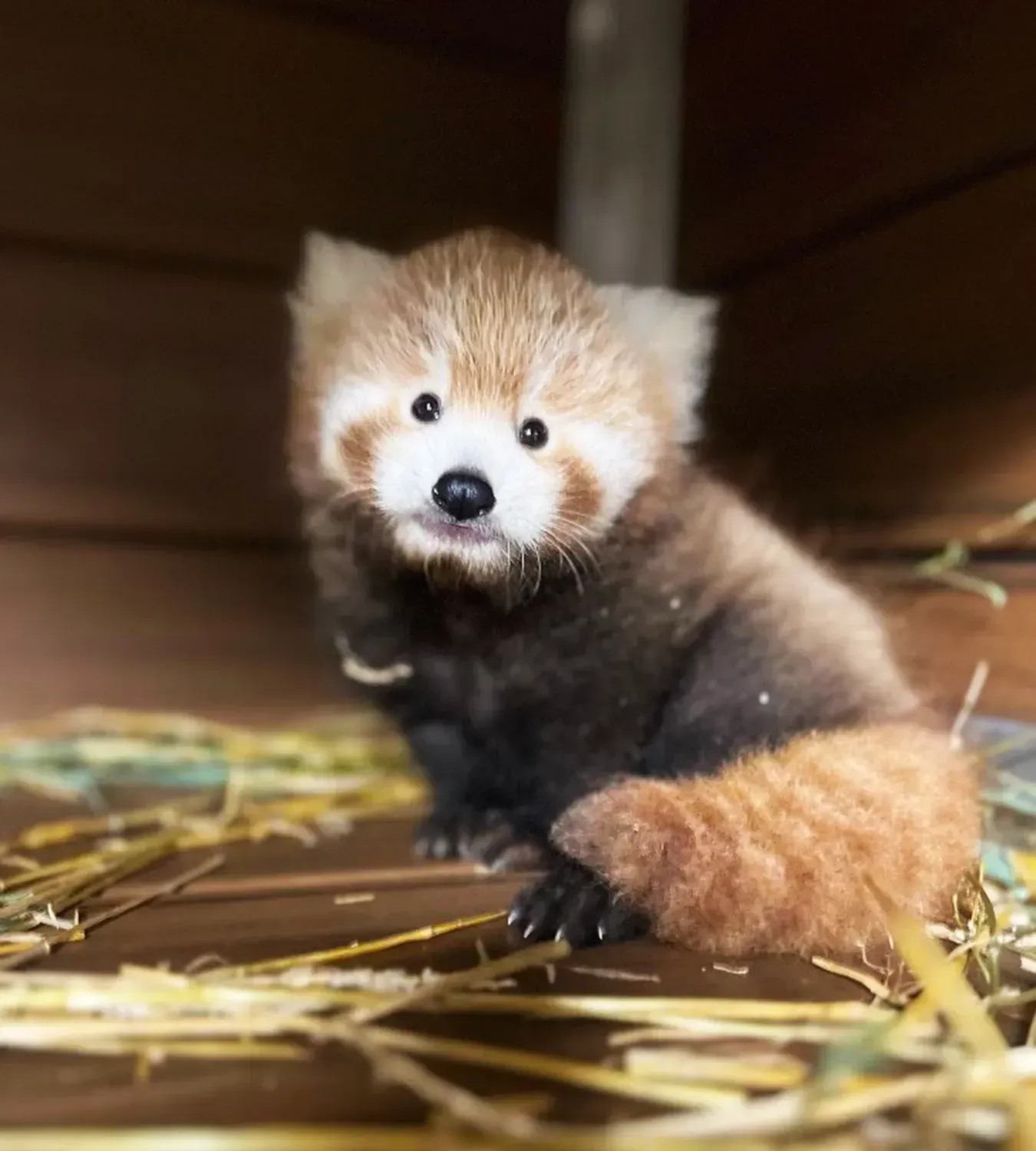
The lengthy journey of conservation often brings delightful surprises, and the recent addition to our red panda family exemplifies this perfectly. On July 3, a baby red panda took its first breaths, marking a significant moment not only for our zoo but also for the broader conservation community. This moment embodies the blend of hope and responsibility linked to the preservation of endangered species. Understanding the role of red pandas in the ecosystem reveals why their well-being is integral to maintaining biodiversity.
Red pandas, Ailurus fulgens, are small, tree-dwelling mammals native to the Eastern Himalayas and Southwestern China. They are distinct for their reddish-brown fur, round faces with large, expressive eyes, and a long bushy tail that aids in balance among trees. These creatures are more than just charming; they serve as vital indicators of ecological health in their habitats. Their diet primarily consists of bamboo, making them akin to their larger relatives, the giant pandas. However, red pandas also consume other vegetation and even small mammals, showcasing their adaptability.
The birth of a red panda is a crucial event. Mother Poppy and father Willie have been under careful observation as they prepared for parenthood. The gestation period for red pandas is approximately 134 days, concluding with the birth of typically one to four cubs. After birth, the mother cares for the young in a secluded den, a practice crucial for their initial development. During the first few weeks, the cubs rely solely on their mother’s milk. As they grow older, curiosity takes hold, and they begin to explore their surroundings. At just over two months, our newest addition is already showing signs of this innate curiosity—a behavior vital for their development into healthy adults.
As charming as red pandas are, they face challenges in their natural habitats. Habitat loss due to deforestation, poaching, and climate change threatens their survival. According to the International Union for Conservation of Nature (IUCN), red pandas are classified as endangered, with a declining population estimated at fewer than 10,000 individuals in the wild. This vulnerability emphasizes the importance of conservation efforts aimed at habitat protection and reforestation.
Zoos play a pivotal role in the conservation of red pandas and similar species. These institutions not only provide safe havens for endangered animals but also serve as centers for extensive research and education. By housing red pandas, zoos can study their behavior, health, and dietary needs. This research contributes to the creation of effective breeding programs, which are crucial for increasing genetic diversity among these animals.
At our facility, the baby red panda is the focus not only of animal care staff but also of educational initiatives that aim to raise awareness. By sharing the story of Poppy, Willie, and their new cub, we can engage our community in conversations about wildlife conservation. Interactive exhibits, informative presentations, and guided tours educate visitors about the ecological challenges that red pandas face and instill a sense of responsibility toward preserving their habitats.
The care and management of red pandas require specialized knowledge and dedication. Our animal care team follows a comprehensive protocol to ensure the health of both the adult red pandas and their young. Factors such as nutrition, socialization, and mental stimulation are top priorities. Bamboo, the primary component of a red panda’s diet, is sourced sustainably to mitigate ecological impact. It is supplemented with fruits and specialized diet components to maintain optimal health.
Additionally, animal welfare practices focus on creating an enriching environment that promotes natural behaviors. Enrichment activities include providing climbing opportunities and hiding spaces that stimulate exploration and play. Observations conducted by the staff document how these practices enhance the overall well-being of the red pandas, fostering social interactions between the adults and the cubs.
Public engagement is essential in the fight against extinction. Our zoo emphasizes the role of visitors in conservation efforts. Events leading up to the upcoming name and gender reveal for our baby red panda serve as catalysts for involvement. Community members can contribute to conservation funds, participate in habitat clean-up days, or adopt red pandas symbolically, directly supporting preservation initiatives. Each action taken, no matter how small, contributes to a larger movement aimed at safeguarding wildlife for future generations.
As supporters of conservation efforts, we can all play a part in protecting not just red pandas but an array of endangered species. By understanding the interconnectedness of ecosystems and the importance of each species, we gain insight into effective conservation strategies. An educated public is more likely to advocate for environmental policies and practices that prioritize the protection of wildlife habitats.
Moreover, collaborations between zoos, wildlife experts, and organizations focused on conservation are becoming increasingly vital. These partnerships create synergistic efforts that can lead to more substantial outcomes. Shared research resources, coordinated breeding programs, and public awareness campaigns amplify the capacity for successful conservation. The birth of a baby red panda serves as a reminder of this collaborative spirit and the shared goal of preserving a diverse and healthy planet.
In looking ahead, we await the name and gender reveal for our precious baby red panda, an event that particularly excites both staff and visitors. The symbolism surrounding this new life goes beyond mere naming; it signifies hope and a collective commitment to the survival of such a beautiful species. By following the growth and development of this little one, we are reminded of the importance of wildlife in our lives and the responsibilities we hold in protecting their future.
The story of our red panda family is a testament to the resilience of nature, the effectiveness of conservation efforts, and the enduring bond between humans and wildlife. With continued education, research, and public support, we can aspire to create a world where red pandas thrive, not just in captivity but in their natural habitats as well. Each new birth tells a story of possibility—one that we must nurture and protect.
*****
Source Description
🐾 A Tiny, Fluffy Surprise! 🐾
We’re thrilled to share that our red panda family got a little bigger – say hello to our newest baby red panda! Born to mother Poppy and father Willie on July 3, this baby red panda is just over 2 months old and is healthy, curious and already stealing the hearts of our animal care team ❤️ Stay tuned for the name and gender reveal this Friday!
