
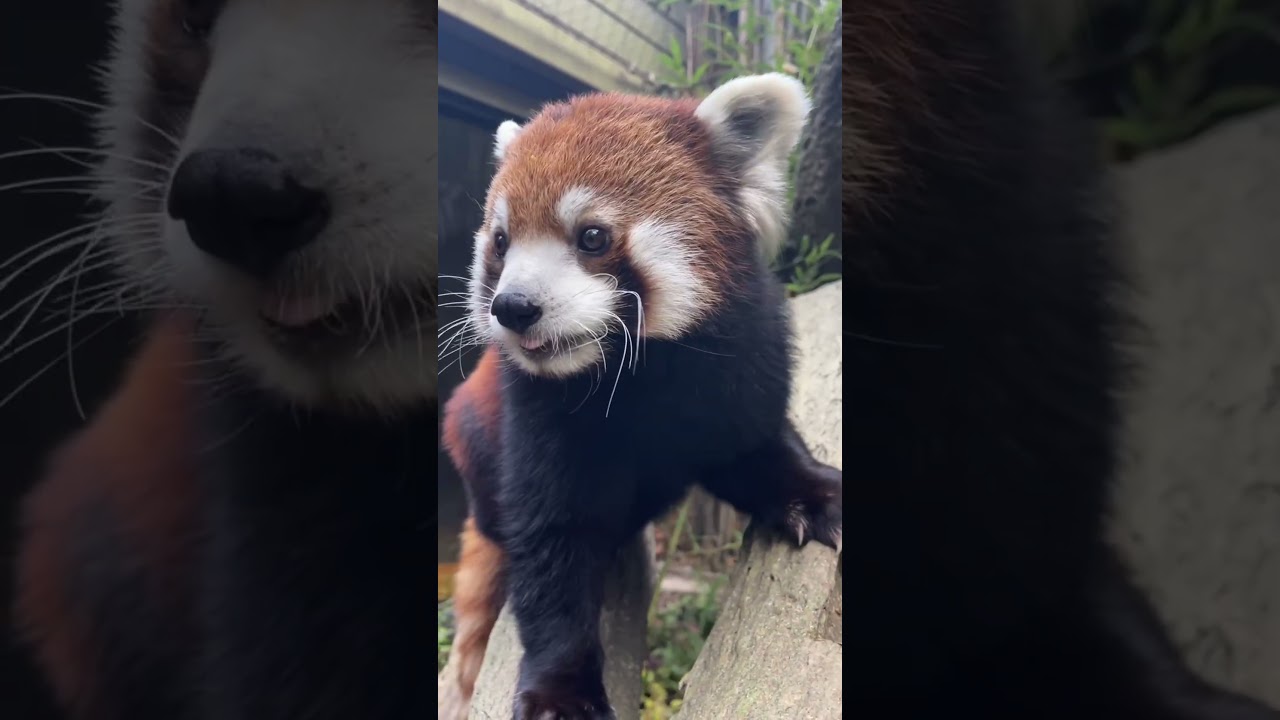
- Scientific insights on Mei Lee’s eating habits and their implications for zoology
- The role of nutrition in animal care and zoo management
- Conservation efforts and the significance of diet in wildlife preservation
- The connection between animal welfare and feeding strategies
- Engaging public interest in wildlife conservation through educational media
An extended observation of Mei Lee indulging in her favorite meal offers a captivating look into various aspects of zoology and wildlife conservation. This detailed exploration is not only a glimpse into her day-to-day life but also highlights the intricate relationship between nutrition and animal care. As we observe Mei Lee’s every bite, we gain invaluable insights into her dietary needs and their broader implications on zoo management and conservation efforts.
Mei Lee’s Eating Habits: An Insight into Zoology
By carefully studying Mei Lee’s feeding habits, zoologists can better understand her nutritional needs and preferences. This understanding is crucial in crafting diets that replicate her natural intake, optimizing health and longevity. The observation of such feeding sessions provides direct data on consumption patterns, preferences, and potential health indicators. Variations in her intake can suggest changes in health or environmental stressors and inform prompt interventions.
The Role of Nutrition in Animal Care
Nutrition is a cornerstone of effective animal care. In zoo management, providing balanced diets that meet the physiological needs of each species is paramount. Mei Lee’s feeding routine illustrates the thought process behind developing diet plans that cater to an animal’s specific requirements. Tailoring these plans involves understanding species-specific nutritional values, which are vital for maintaining health and vitality. This knowledge helps mitigate diseases related to deficiencies or excesses, ensuring sustainable care.
Conservation Efforts and Diet’s Significance
In wildlife conservation, diet affects the overall success of conservation programs. Understanding the natural diet of a species is pivotal for their survival in captivity and potential reintroduction into the wild. Mei Lee exemplifies how controlled feeding regimens can mimic natural diets, providing essential nutrients and encouraging natural behaviors. These efforts aid breeding programs and improve genetic diversity, vital aspects of conservation strategies. Moreover, dietary knowledge gained through studying captive populations can enhance rewilding initiatives.
Connection Between Animal Welfare and Feeding Strategies
Feeding strategies are deeply connected to animal welfare. The goal is not just to sustain but to enrich an animal’s life. Consistency in feeding routines reduces stress and promotes psychological well-being. For Mei Lee, a thoughtfully curated diet impacts her mental and emotional state positively. Maintaining natural behaviors through diet enriches her life in captivity, leading to healthier and more active animals. Comprehensive feeding strategies also empower zookeepers to assess health efficiently and intervene when necessary.
Engaging Public Interest Through Educational Media
A full minute of Mei Lee enjoying her meal does more than entertain; it educates and inspires public interest in wildlife conservation. By showcasing such media, zoos can draw attention to their conservation missions and educate the public on the importance of diet in wildlife health. Engaging the public in this way fosters a connection between humans and animals, encouraging support and involvement in conservation initiatives. Educational content can transform public perception, highlighting the impact of dietary science on animal welfare and conservation success.
In sum, Mei Lee’s eating habits serve as a powerful tool for understanding zoological principles and enhancing zoo management practices. Her routine informs conservation efforts, advocating for the indispensable role of diet in wildlife preservation. Through engaging educational media, we can spark interest and foster support for conservation, impacting both animal and human communities positively.
*****
Source Description
