
- Understanding Bee Habitat Needs and Species Behavior
- Materials and Tools Required for Constructing a Bee House
- Step-by-Step Guide on Building and Positioning Your Bee House
- Integrating Horticulture to Support Bee Activity and Health
- Wildlife Conservation and the Importance of Bee Habitats
Building a bee house offers a rewarding opportunity to support pollinator populations, essential to ecosystems and agriculture. This guide provides detailed instructions on creating a suitable habitat, taking into account bee behavior, necessary materials, and positioning strategies, all while integrating horticulture practices to enhance the environment.
Understanding Bee Habitat Needs and Species Behavior
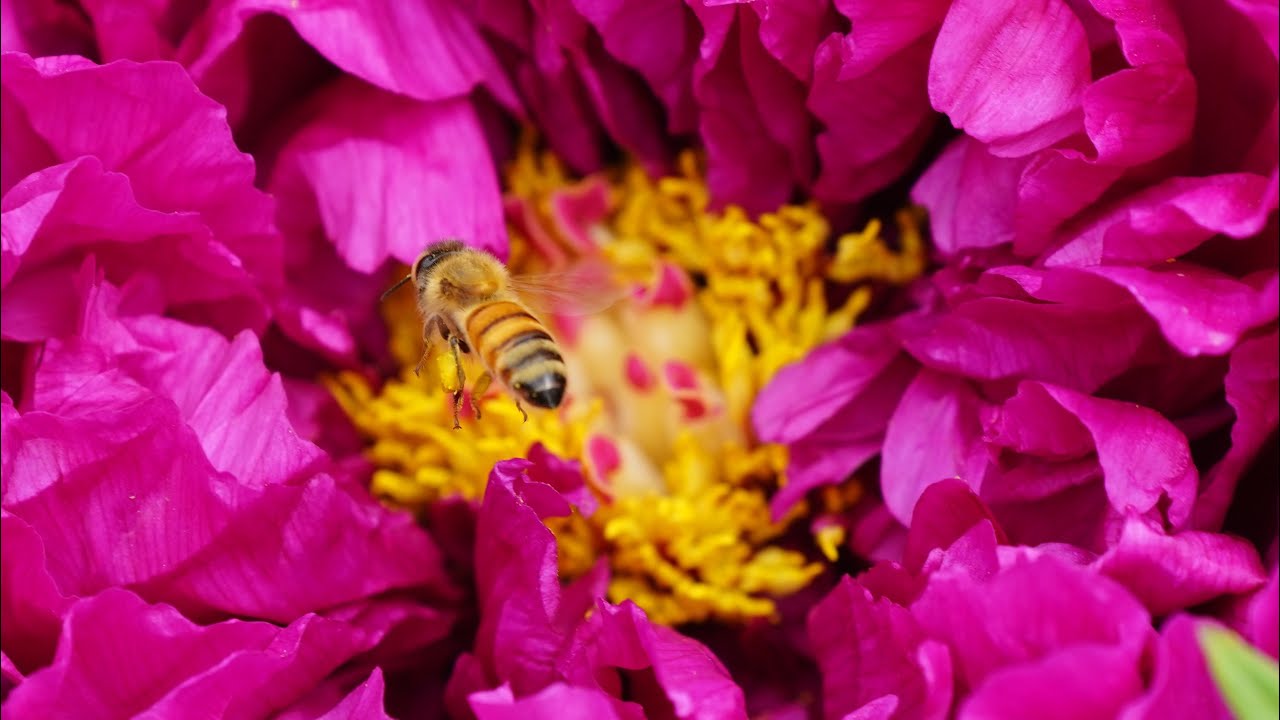
Bees are vital pollinators responsible for the reproduction of many plants, and different species have specific habitat requirements. Native solitary bees, such as mason and leafcutter bees, differ from honeybees and bumblebees in behavior and nesting preferences. Solitary bees do not live in hives; instead, they nest in tunnels. By understanding these needs, we can create a habitat that supports their lifecycle and contributes to biodiversity.
Choosing the right location is crucial. Bees favor sunny spots protected from strong winds. Ensure that the area is accessible and near flowering plants, which provide essential nectar and pollen. Recognize the importance of varying diameter tubes to accommodate different bee species. Mimicking natural hollow stems, these tubes serve as nesting sites, and ensuring their availability can significantly boost local bee populations.
Materials and Tools Required for Constructing a Bee House
To construct an effective bee house, gather materials that are both sustainable and durable. Bamboo stems, untreated wood, and paper straws are excellent for creating nesting cavities. Use untreated, water-resistant wood to construct the body of the house. This prevents chemical interference with sensitive bee populations.
Essential tools include a saw, drill, sandpaper, and a ruler. A drill bit slightly smaller than your chosen tube diameter is necessary for creating supportive holes. Sandpaper smooths edges, reducing splinter risks. A waterproof sealant protects the wood, increasing the structure’s longevity.
Step-by-Step Guide on Building and Positioning Your Bee House
-
Cut the Frame: Measure and cut the wood to create a box-like frame. The depth should be around 6–8 inches to protect from rain.
-
Drill the Holes: Drill holes in the backboard about 3–6 inches deep. Use varying diameters (3/32 to 3/8 inches) to cater to different species. Smooth any rough edges with sandpaper.
-
Prepare the Filling: Cut bamboo and paper straws to fit snugly within the structure. Ensure that they are tightly packed, offering secure and stable nesting sites.
-
Assemble the Bee House: Insert drilled backboard into the frame and fill with a mix of bamboo and paper straws, ensuring good ventilation.
-
Position Your Bee House: Mount the bee house at a height of at least three feet. Position in a location receiving morning sunlight and shelter from afternoon winds. Ensure easy observation access without frequent disturbances.
Integrating Horticulture to Support Bee Activity and Health
Complement the bee house with a garden rich in flowering plants that provide year-round support for bees. Diverse plant selections ensure a continuous food source, important for sustaining bee populations throughout seasons.
Consider planting native species to promote ecological harmony. Wildflowers, lavender, sunflowers, and foxgloves are ideal options that not only beautify gardens but also support pollinators. A water source, such as a shallow dish with rocks, helps bees drink safely, providing hydration critical during dry spells.
Wildlife Conservation and the Importance of Bee Habitats
Creating bee habitats fosters wildlife conservation efforts, addressing the decline in pollinator populations. Bees play a critical role in food production, supporting global food security. By understanding and addressing the challenges they face, such as habitat loss and pesticide exposure, we can contribute positively to ecological stability.
Engaging in community initiatives further amplifies conservation efforts. Educational programs that highlight the importance of bee habitats can inspire collective action. By building and maintaining bee houses, both individuals and communities contribute to a healthier environment, preserving biodiversity for future generations.
Throughout the process of constructing bee houses, focus on wildlife conservation and the critical role bees play in our ecosystems. This hands-on initiative not only meets an ecological need but also enriches personal and communal connection to the natural world.
By understanding bee behaviors, using sustainable materials, and integrating horticulture practices, anyone can create a thriving habitat that supports these indispensable pollinators. As we engage in these proactive steps, we contribute to a harmonious balance within our local environments.
*****
Source Description
