
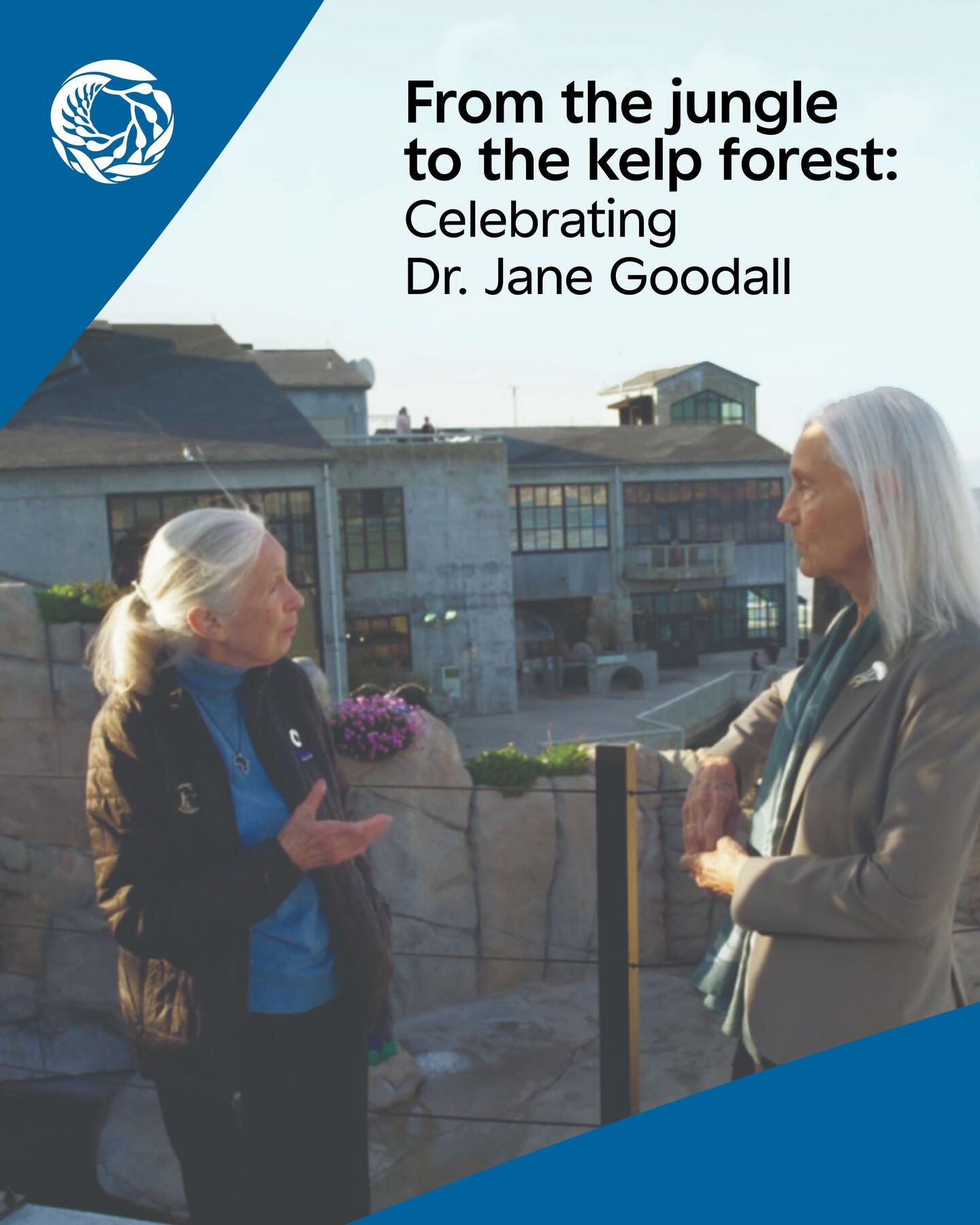
- The shared stories of Dr. Jane Goodall and Julie Packard in conservation efforts
- The importance of the interconnectedness of terrestrial and marine ecosystems
- The influence of individual action on environmental change
- Jane Goodall’s enduring legacy and its impact on future conservationists
- The role and function of sea otters in coastal ecosystems
Dr. Jane Goodall and Julie Packard recently met in California to discuss their respective conservation efforts. The meeting took place in a serene backdrop, where the tranquility of nature highlighted the importance of both their missions. Dr. Goodall is celebrated for her groundbreaking research on chimpanzees, while Packard’s leadership has greatly influenced ocean conservation. This interaction represents a convergence of knowledge and passion, emphasizing the vital connection between terrestrial ecosystems and marine environments.
Dr. Goodall’s work with chimpanzees in Tanzania has reshaped the way we understand primate behavior and their relationship with the environment. Her long-term research, marked by close observations and ethical considerations, revealed the similarities between primates and humans. This understanding fosters a sense of responsibility towards not just primates but all living creatures. Julie Packard, co-founder of the Monterey Bay Aquarium, shares a similar commitment. Under her guidance, the aquarium has become a key player in marine conservation, particularly in the protection of sea otters and kelp forests.
This partnership between land and sea conservation is critical. Forests and oceans play interdependent roles in maintaining ecological balance. Terrestrial plants produce oxygen and sequester carbon, while ocean ecosystems, such as kelp forests, combat climate change and offer habitats for numerous species. During their conversation, Goodall and Packard highlighted that their work complements one another, much like the ocean and the forest coexist to maintain the health of the planet.
As they observed a group of sea otters in a kelp forest, both leaders expressed admiration for these creatures. Sea otters hold a unique spot in the marine ecosystem. Their presence is crucial for maintaining the health of kelp forests. By preying on sea urchins, which can overgraze kelp, sea otters help sustain the delicate balance of the ecosystem. This intricate relationship showcases the interconnectedness of different species and habitats, which is essential to understand if we want to promote effective conservation efforts.
The conversation turned towards the ongoing environmental challenges that the world faces today. Dr. Goodall emphasized her belief in the power of individual action. Each person possesses the ability to make a difference. Simple actions like reducing plastic use, supporting sustainable practices, and educating others about conservation can collectively lead to significant change. Her message is clear: hope arises from the actions of everyday individuals who choose to protect the planet.
As someone who has dedicated her life to conservation, Goodall’s message resonates deeply. Throughout her career, she has nurtured a sense of hope even amidst daunting environmental issues. By fostering awareness and inspiring others, she demonstrates the potential for positive change, no matter how great the challenges. This aligns perfectly with Packard’s work at the aquarium, which emphasizes education and community engagement in ocean conservation.
In addition to their mutual interest in conservation, the meeting brought to light the broader educational implications of their work. Many individuals pursue careers in science and conservation inspired by figures like Goodall. For instance, the sea otter care team at the aquarium cited Goodall’s influence as a motivating factor for their career choices. This illustrates a critical point: the drive for environmental stewardship often stems from the inspiring narratives of those who lead in this field.
The tales of Goodall and Packard serve as a reminder that individuals have the capacity to inspire generations. By sharing their experiences, they can motivate others to recognize their potential to contribute meaningfully to conservation. Educational initiatives that incorporate storytelling can resonate deeply, making science accessible and compelling to a wider audience.
Of equal importance is the role of sea otters within their ecosystems. These marine mammals are not just charismatic wildlife; they play a critical role in maintaining biodiversity. The impact of their predation and behavior fosters healthy kelp ecosystems that provide shelter and nourishment for many species. Conservation strategies focused on protecting species like the sea otter can yield vast ecological benefits.
As the discussion unfolded between Goodall and Packard, it became increasingly clear that their individual legacies are intertwined within a broader narrative of conservation. Jane Goodall’s life’s work illustrates the profound connections between all living things. Similarly, Julie Packard’s stewardship of marine ecosystems showcases the importance of protecting our oceans. Together, their contributions highlight a powerful message: every action matters when it comes to conservation.
The urgency of environmental threats like climate change looms heavily over both land and sea. Natural habitats are often compromised due to human activities such as deforestation and pollution. Goodall’s insights serve as a critical call to action. Focusing on individual accountability can empower communities. Empowered individuals can act locally while thinking globally, promoting a healthier planet through diverse initiatives.
Investments in research are necessary to further the understanding of ecological systems. Research efforts can help identify effective strategies for habitat restoration and species conservation. Initiatives led by organizations like the Jane Goodall Institute and Monterey Bay Aquarium actively contribute to this body of knowledge. Both organizations emphasize science-driven practices to make an impact that resonates over time.
Partnerships and collaboration are essential within the conservation community. By working together, organizations can foster comprehensive solutions to environmental challenges. The collaboration between terrestrial and marine conservation efforts exemplifies this approach. More often than not, successful conservation requires the input of multiple stakeholders—scientists, educators, policymakers, and community members all play crucial roles.
Throughout her life, Goodall has consistently emphasized the importance of education in promoting conservation. By empowering individuals with knowledge, we equip them to make informed decisions about the environment. Educational programs that engage people in environmental stewardship foster a culture of awareness and proactive behavior. Inspired individuals are more likely to take meaningful action that contributes to ecological health.
Marine ecosystems are often overlooked in discussions about conservation. The focus is generally on endangered species or iconic landscapes. However, the health of our oceans directly impacts climate regulation and biodiversity. Julie Packard’s dedication to ocean conservation is a key reminder of the importance of protecting marine environments. As leaders come together to advocate for both forest and ocean life, holistic perspectives on conservation emerge.
Sea otters, in particular, provide an excellent example of how one species can have a cascading effect on its habitat. Their role is pivotal, as they facilitate a healthier ecosystem that benefits many others. Education about these relationships serves to highlight the complexity of ecosystem dynamics. Conservation messaging should focus on how diverse species interplay within their habitats, reinforcing the necessity of protecting entire ecosystems rather than just targeted species.
Both Dr. Jane Goodall and Julie Packard represent the connection between scientific knowledge and community involvement. Their paths illustrate the synergy between in-depth research and grassroots efforts. As advocates for conservation, they embody the message that personal commitment drives broader movements. Empowered individuals can create collaborative networks that yield positive environmental outcomes.
Innovative conservation models integrate scientific inquiry with community action. Education is central to these initiatives. Programs that center on local ecosystems will produce engaged citizens aware of their environmental impact. They act as stewards and advocates for the ecosystems they inhabit.
Throughout the discussions between Goodall and Packard, themes of hope, action, and interconnectedness were paramount. As both leaders reflected on their careers, they acknowledged the support and passion of countless individuals who fuel their work. Together, their stories remind us that caring for our planet is a collective endeavor requiring a shared commitment to environmental stewardship.
In everything from protecting endangered species to nurturing future generations of conservationists, the message from these iconic defenders resonates deeply. Conservation requires collaboration and understanding. By fostering relationships that span various ecosystems, we can create a unified approach to preserving the planet. The future demands not just awareness, but also resilient actions rooted in the belief that we all can make a difference.
As we navigate through present challenges under climate change, the legacies of Jane Goodall and Julie Packard serve as both inspiration and guidance. Their meeting represents not just a moment of connection but a clarion call for action on behalf of our forests and oceans.
*****
Source Description
A meeting of iconic forest defenders. 🦦💚🌿
Just months before her passing in October, Dr. Jane Goodall stepped behind the scenes of our Sea Otters exhibit to catch up with our founding executive director, Julie Packard. Jane was in California as part of a multi-week speaking tour in support of the U.S. chapter of her namesake conservation organization, the Jane Goodall Institute. She celebrated her 91st birthday right before her visit.
Jane made waves as a trailblazing scientist and conservationist renowned for her work with chimpanzees in Tanzania. The impact of Julie’s leadership in ocean conservation was visible just offshore as they chatted, where a group of wild sea otters rafted on a dense kelp forest canopy in the bay.
Julie and Jane discussed the interconnectedness of their work and how their parallel legacies protect forests on land and in the sea. Like Julie, Jane shared a soft spot for sea otters. 🦦 In April, she spoke at conservation venues across Monterey to raise awareness and inspire hope for this iconic marine mammal.
As they watched the otters twirl and play in the exhibit below, Julie asked Jane how she stays hopeful in the face of the looming environmental threats like climate change.
“Despite the political goings-on throughout the ages, individuals are the ones who make a difference,” Jane replied. “My message of hope is what I call the indomitable human spirit. Each person makes an impact on the planet every single day, and we get to choose what sort of impact we want to make.”
Jane’s legacy lives on through the Jane Goodall Institute and in the hard work and passion she inspired in countless biologists, scientists, and conservationists, including Aquarium’s sea otter care team. They stayed late to meet Jane that Sunday in April, sharing stories with a common thread; Jane was one of the first reasons they all chose to pursue careers in STEM. 💙
