
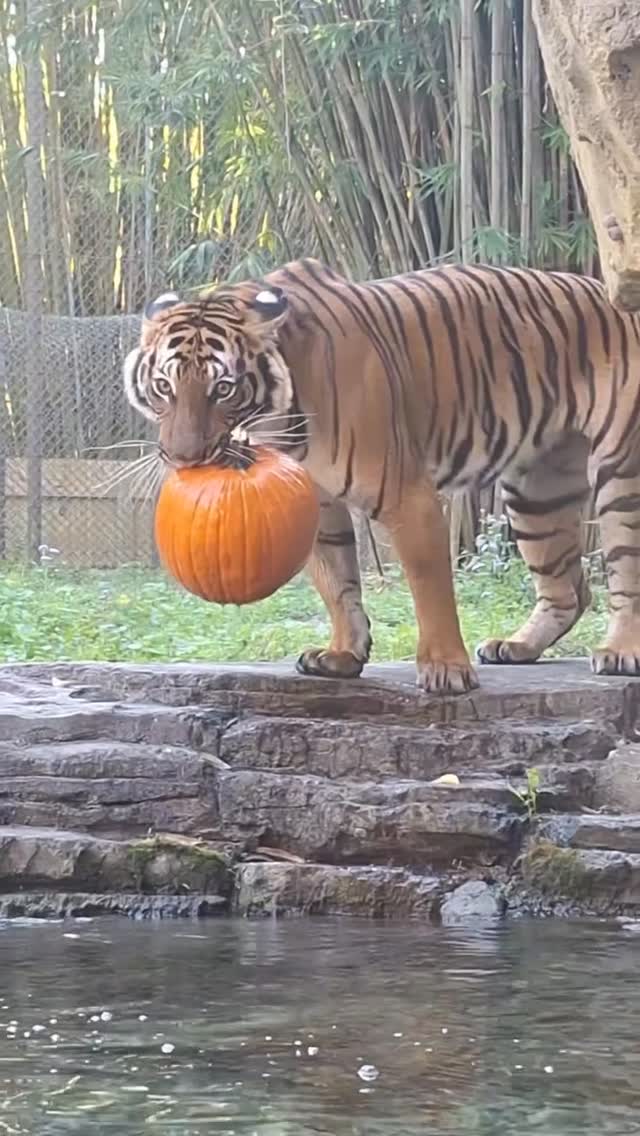
- The significance of pumpkins in zoological and ecological contexts
- The interaction between wildlife and agriculture
- The importance of animal welfare in pumpkin-related events
- Pumpkin cultivation and its environmental impact
- The role of social media in conservation awareness
The relationship between children, animals, and nature is often illuminated through charming interactions, such as a girl and her pumpkin. This enduring activity encompasses a variety of educational themes worthy of deeper examination. While it may evoke images of fall harvests and holiday decorations, the implications of pumpkins stretch far beyond simple seasonal nostalgia.
Pumpkins are not just decorative. They play a significant role in both ecological dynamics and agriculture. Understanding this role provides insights into broader issues such as biodiversity, agricultural practices, and wildlife behavior. In ecosystems where pumpkins are cultivated, they can support a variety of species. The sprawling vines provide cover for small animals, acting as a habitat for insects and various wildlife. Moreover, the seasonal abundance of pumpkins attracts a range of creatures, from birds to mammals. This interdependence showcases the connections in nature, where one element can sustain numerous others.
The interaction between wildlife and agriculture often leads to interesting and sometimes contentious dynamics. For example, when pumpkin patches are established, a variety of species are drawn to the area, seeking either food or shelter. This can result in both beneficial and adverse consequences. Pollinators like bees become vital for pumpkin cultivation, enriching the ecosystem while also performing essential functions for farmers. However, mammals may also approach pumpkin patches, occasionally leading to crop damage.
Animal welfare is also paramount in this narrative. Events such as pumpkin carvings or festivals often involve animals, either directly or indirectly. In such cases, the welfare of both the animals used and those in the surrounding habitat must take precedence. Educating the public about responsible interactions is essential. Organizations and individuals involved in pumpkin-related activities should prioritize the safety and wellbeing of all animals present, whether they are domestic pets or wildlife in the area. With ethical considerations in mind, events can ensure a positive experience for both participants and animals.
Pumpkin cultivation itself has various environmental impacts that merit attention. While pumpkin farming can be beneficial, avoiding monocultures is essential for ecological balance. Diversifying crop rotations can lead to healthier soils and increased resilience against pests and diseases. Sustainable farming practices—such as minimal pesticide use and organic fertilizers—can mitigate the negative effects of agriculture on the environment. Carrying out these practices not only benefits the farm but also supports the ecosystems intertwined with agriculture.
Social media platforms have emerged as a pivotal space for spreading awareness about conservation efforts connected to agricultural practices, including pumpkin farming. Popular narratives like “Just a girl and her pumpkin” can spark interest among a broader audience. Through engaging posts and stories, individuals can share information about ethical farming and wildlife conservation. This rising trend offers a chance to transform public perception and inspire action regarding sustainable agricultural practices.
Through this educational lens, the implications of pumpkins extend far beyond their visual appeal. They connect communities, wildlife, and the environment in ways that benefit all involved. Learning about he functions of pumpkins provides an opportunity not only for enjoyment but also for deeper engagement with ecological sciences.
The Significance of Pumpkins in Zoological and Ecological Contexts
Pumpkin plants (Cucurbita pepo) thrive in a variety of habitats, with their sprawling vines often forming a micro-ecosystem. Their broad leaves provide shade and shelter for many small animals, creating an environment rich in biodiversity. This is particularly important for pollinators such as bees, which rely on the flowers for nectar.
In some areas, pumpkins contribute to local ecosystems by supporting small mammals, birds, and insects. For example, rodents may feast on fallen pumpkin seeds, while birds might find refuge in the dense foliage. This cross-species interaction fosters a balanced ecosystem. It allows both plant and animal populations to coexist, ideally in harmony.
Notably, when examining the role of pumpkins, it becomes evident that sustainable agricultural practices can promote this ecological interaction. Crop rotation—which involves alternating pumpkin cultivation with other crops—can help maintain soil health and support various species across seasons. Proper management not only leaves room for wildlife but also benefits farmers by improving crop yields.
The Interaction Between Wildlife and Agriculture
The dynamics of wildlife in agricultural settings can often lead to both cooperation and conflict. As pumpkin patches become a food source, various animal species may come into play. Pollinators such as bees are not only critical for the growth of pumpkins; they also depend on the plants for their survival. Thus, there is a symbiotic relationship between these organisms.
Conversely, larger mammals—ranging from deer to raccoons—may approach pumpkin patches, leading to a delicate balancing act for farmers. The same plants attracting beneficial insects may also lure in unwanted visitors. This can create challenges for agricultural management, as farmers may need to adopt measures to protect their crops while ensuring minimal impact on wildlife.
In addressing these interactions, it becomes crucial to promote coexistence strategies. Simple measures, such as using natural repellents or creating barriers around pumpkin fields, can safeguard crops while allowing wildlife to thrive. Educating farmers about these measures can significantly mitigate conflict.
The Importance of Animal Welfare in Pumpkin-Related Events
While pumpkins play a fascinating role in ecosystems, they also act as focal points in cultural and social events that often include animals. Festivals, and activities centered around pumpkins should prioritize the comfort and wellbeing of both domesticated and wild animals. Events can involve petting zoos, contests, or activities where animals participate. Ensuring that these animals are treated with care, respect, and ethical considerations becomes paramount.
Education is a powerful tool for promoting animal welfare in such contexts. Educators can provide resources that guide families and communities on engaging with animals responsibly. Tips can include ways to recognize signs of stress in animals and how to approach them gently. Additionally, emphasizing the importance of leaving wildlife undisturbed in their natural habitats fosters respect among visitors.
Moreover, communities can unite to adopt a best practices approach. If a festival features animals and pumpkins, organizing volunteer efforts to support animal welfare becomes beneficial. Ensuring all participants adhere to ethical standards will make events enjoyable for both humans and animals alike.
Pumpkin Cultivation and Its Environmental Impact
Agricultural practices surrounding pumpkin cultivation influence ecological integrity. Growing pumpkins can have various environmental impacts, from soil health to water management. Understanding these factors is critical for sustainable farming.
Firstly, responsible cultivation can provide insights into the environmental footprint of farming. For example, using organic methods minimizes the use of synthetic chemicals, allowing ecosystems to remain balanced. Adopting integrated pest management (IPM) techniques counters pests naturally, reducing pesticide reliance.
Additionally, crop diversity is vital in maintaining soil fertility. Integrating cover crops, rotating planting schedules, and utilizing organic mulch can enhance nutrient retention in the soil. These practices offer farmers a versatile toolkit to boost pumpkin yield while fostering a healthy ecosystem.
While pumpkin farming can be resource-intensive, growing awareness of environmental stewardship is encouraging best practices that prioritize sustainability. By researching efficient irrigation methods, farmers can minimize water waste and avoid depleting local water sources.
The Role of Social Media in Conservation Awareness
In recent years, the role of social media in spreading awareness about conservation and sustainable farming practices has grown exponentially. Engaging narratives like “Just a girl and her pumpkin” serve as relatable touchstones for broader themes in zoology, wildlife management, and environmental stewardship.
Platforms allow individuals to share their experiences and educate others about the importance of responsible pumpkin cultivation. The visually engaging nature of social media makes it easier to convey messages on sustainability and conservation. For example, a user might share images of their pumpkin harvest, highlighting sustainable practices they’ve adopted, alongside catchy captions that drive engagement.
Communities can leverage these platforms to rally support for wildlife conservation initiatives. Whether it’s creating campaigns promoting ethical farming or sharing tips on wildlife-friendly gardening practices, the potential for outreach is vast. The interconnectedness of social media enables messages to reach diverse audiences, fostering a culture of conservation and awareness.
This engaging online experience not only highlights personal stories but serves as a springboard for larger conversations. People can come together to advocate for animal welfare in agricultural settings and champion sustainable practices.
Understanding the connections between a girl and her pumpkin involves appreciating the ecological web that surrounds it. From pollinators to animal welfare, these relationships inform our interactions with nature. With increased awareness and action surrounding the environmental impact of farming, everyone can contribute to the greater good.
Through pumpkin cultivation and associated activities, there lies a wealth of opportunity for educational initiatives. Communities can elect to embrace the themes of ecological balance, wildlife interaction, and responsible animal treatment by participating meaningfully in events.
As more individuals become advocates for sustainable agricultural practices, stories will circulate about the interconnected web of life surrounding pumpkins. Each pumpkin not only serves as a seasonal icon but as a powerful symbol of ecological responsibility.
*****
Source Description
Just a girl and her pumpkin😌🐅
