
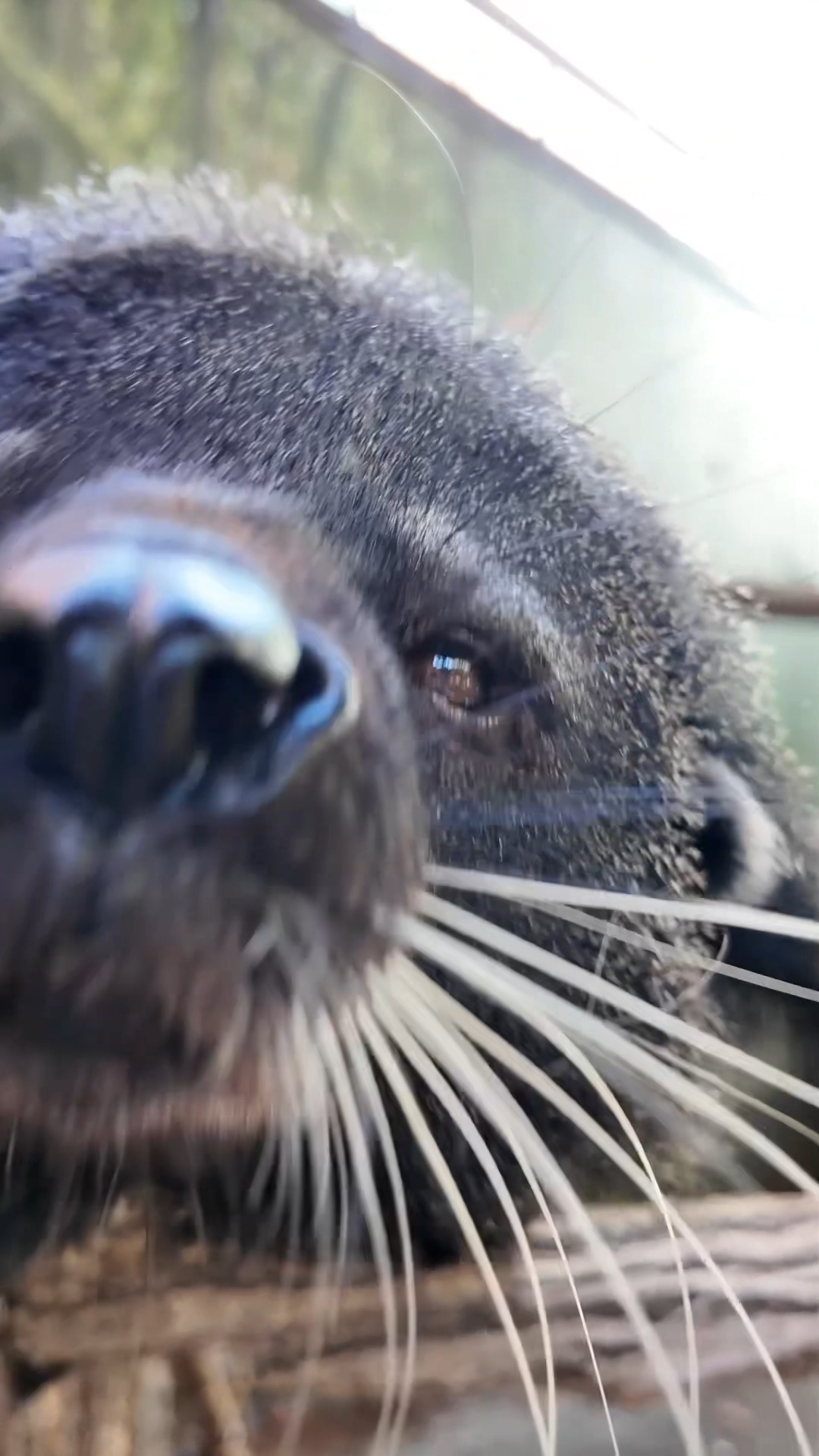
- Wilbur the binturong: A decade of growth and personality
- The biological and ecological significance of binturongs
- Binturong care and well-being in captivity
- The role of education and conservation in wildlife management
- Celebrating animal milestones: The importance of public engagement
Wilbur, the binturong, recently celebrated his ten-year birthday in style. With a delightful banana cake and an assortment of other treats, this celebration not only marked a milestone for Wilbur but also highlighted the importance of educating the public about his species. Known scientifically as Arctictis binturong, the binturong is more than just an adorable face; it plays a crucial role in its ecosystem.
Binturongs are members of the family Viverridae, which includes civets and genets. These animals are native to Southeast Asia and are often referred to as bearcats due to their bear-like appearance and cat-like behavior. Wilbur’s robust personality and iconic role in his habitat illustrate how individual animals can form bonds with their keepers and the public.
Biologically, binturongs are fascinating creatures. They possess a prehensile tail that can be as long as their body and is used to help navigate effectively through the tree canopies of their rainforest habitat. This adaptation is important for their survival, as binturongs are arboreal mammals that primarily eat fruits, but they can also consume insects and small animals when needed. Their role as seed dispersers makes them a vital part of the rainforest ecosystem, aiding in plant regeneration.
In terms of ecology, the binturong is generally classified as a frugivore, primarily relying on a diet rich in fruit. This diet helps maintain the health of the forests where they reside. Unfortunately, binturong populations have seen dramatic declines due to habitat loss, hunting, and the illegal pet trade. By promoting awareness of these animals, zoos and conservation organizations can play a key role in their preservation.
The care of Wilbur and his fellow binturongs in zoological settings provides an excellent example of modern wildlife management. The practice includes ensuring a balanced diet, a stimulating environment, and regular veterinary care. At many reputable institutions, the welfare of animals is of the highest priority. The Zoo employs trained staff who understand the specific needs of binturongs, such as their behavioral patterns and social dynamics.
Educational outreach is essential for fostering a culture of conservation. By sharing stories like Wilbur’s, zoos can engage the public in a profound way. Many visitors leave with a deeper understanding of the challenges that wildlife face. Wilbur’s birthday celebration serves not just as a party but as an opportunity to discuss the larger conservation issues affecting his species and habitat.
Milestones in animal lives, such as birthdays, provide an excellent platform for public engagement. The celebration of Wilbur’s tenth birthday allows zoos to showcase the animal’s growth and development while providing an interactive experience for visitors. Engaging the public through such events can spark interest in wildlife conservation and encourage people to support preservation efforts.
Efforts to protect binturongs involve various strategies. Many organizations focus on habitat restoration, law enforcement against illegal poaching, and education. Public awareness campaigns can enhance understanding of why binturongs are important to their ecosystems. Through collaborations with local communities, conservationists can create sustainable practices that benefit both wildlife and residents.
Successful educational initiatives often emphasize hands-on experiences and storytelling. Workshops that involve the public in activities like creating enrichments for animals can foster a sense of community involvement. By seeing firsthand how care is given to animals like Wilbur, individuals often feel more connected to these species, motivating them to take action.
In many cases, educational programs include detailed information about binturong biology and ecology. This academic approach fosters a sense of responsibility among participants, urging them to consider how diverse ecosystems function and the threats they face. For instance, understanding the significance of binturongs as seed dispersers can lead individuals to appreciate the larger impacts of deforestation.
Visitors are often surprised to learn that binturongs can live for over 20 years in captivity. Wilbur’s milestone at ten years is a reminder that these animals have their unique adaptations and longevity. Each year of his life also signifies a decade of increased public engagement and awareness surrounding wildlife conservation. As people celebrate such milestones, it creates an opportunity for educating a larger audience on the ways they can contribute to the survival of binturongs and similar species.
Zoos often utilize technology to enhance their educational efforts. Social media platforms, like Instagram, serve as excellent outlets for sharing milestones and raising awareness about animal care efforts. By posting videos and pictures of events like Wilbur’s birthday, zoos can reach individuals who may never visit in person. This digital engagement is essential in attracting a younger audience and cultivating a sense of stewardship among them.
Community-based conservation initiatives also play a significant role in binturong preservation. Through partnerships with local governments and indigenous groups, conservationists can address the root causes of habitat destruction and poaching. Local people possess invaluable knowledge about their environment, which can be harnessed for sustainable practices. Providing educational resources can empower these communities to protect their natural heritage.
As we reflect on Wilbur’s decade of life, it is important to recognize the various challenges that face binturongs globally. From habitat destruction due to agriculture to urbanization, the threats are ever-present. Significant conservation measures must continue to take shape, including habitat protection and networking among conservation groups.
Wildlife management must adapt to the changing world. This involves not only caring for animals in zoos but also implementing conservation strategies in their natural habitats. For Wilbur, being in a zoological setting allows for close observation and innovative care techniques that contribute to knowledge-sharing within the scientific community. Researchers studying binturongs in controlled environments can develop effective strategies to better protect them in the wild.
Large-scale ecological studies that focus on binturongs and their habitats can yield insights beneficial for conservation actions. Field studies could include tracking population dynamics and understanding their behavior in natural settings. Such comprehensive analyses directly inform conservationists about the pressures facing these animals, guiding sustainable solutions.
Celebrating the birthdays of animals like Wilbur provides a unique opportunity to foster a love for wildlife within communities. The joy and excitement surrounding these events can transform into a broader commitment to conservation. When people see how a zoo values and cares for its animals, they may be inspired to support wildlife protection efforts beyond the confines of the zoo.
The crucial role that zoos play in public engagement cannot be overstated. By promoting narratives around animals like Wilbur, they facilitate important discussions about species conservation, biodiversity, and environmental health. As habitats face increasing threats, advocacy for these vital issues remains essential. Through a shared commitment to educating the public, zoos, scientists, and conservationists can work towards a future where binturongs and many other species have a chance to thrive.
Wilbur’s birthday celebration stands as a testament to the successful intersection of animal care, public education, and conservation awareness. As we look forward to many more years of Wilbur inspiring visitors, his story reinforces the responsibility everyone has to protect the planet’s incredible biodiversity. Through collaborative efforts in education and conservation, we can work together to secure the future for Wilbur and his fellow binturongs.
*****
Source Description
Here’s to a whole decade of Wilbur the binturong! 🎉
He celebrated his big 1-0 in style with a banana cake and tasty treats.
