
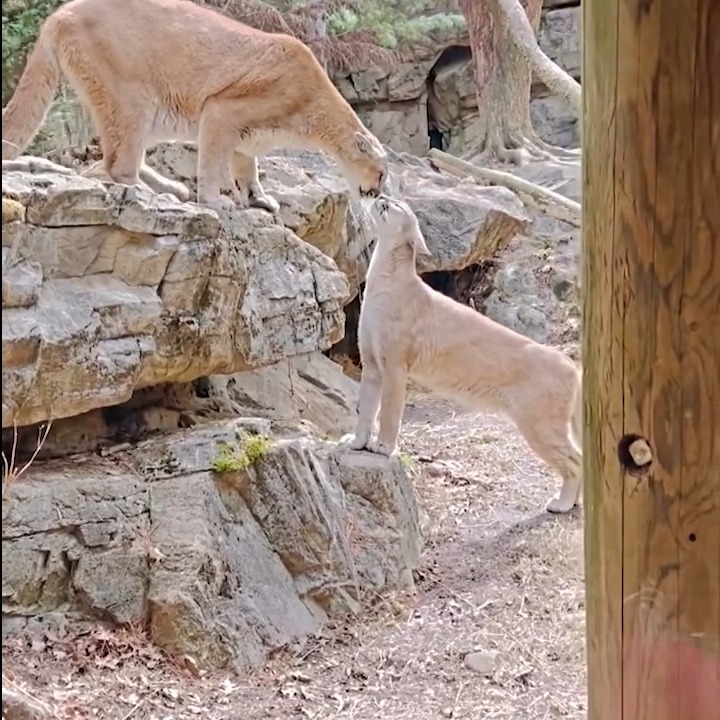
- The adaptive nature of pumas and their habitat diversity
- Insights into their hunting techniques and social behavior
- The importance of environmental enrichment in captivity
- The role of zoos in wildlife conservation and rehabilitation
- The specific background of the pumas at Queens Zoo
Pumas, also known as cougars or mountain lions, are remarkable big cats that exemplify adaptability. Frequently found in forests, grasslands, deserts, and even coastal regions, these felines have carved out a niche across the Americas. They thrive in diverse ecosystems, from the dense foliage of the Pacific Northwest to the arid conditions of the Southwestern United States. Their range extends from Alaska to the southern tip of South America, showcasing their capability to occupy various habitats.
One of the most striking attributes of pumas is their physical prowess. As solitary hunters, they exhibit stealth, agility, and strength. Their hunting techniques are fine-tuned through evolution. Typically, pumas rely on ambush tactics, using their ability to stalk prey while remaining undetected. This method capitalizes on their keen sense of smell and acute vision, enabling them to locate and assess potential food sources from great distances. Targeting ungulates such as deer, they can also adjust their hunting strategies according to the availability of prey. This flexibility in diet and approach underscores their successful adaptation to changing environmental conditions.
Socially, pumas are predominantly solitary. Outside of mating season or a mother raising her young, these cats prefer to operate independently. This behavioral trait allows them to minimize competition for resources and avoid conflicts with other predators. Male pumas typically maintain larger territories that overlap with those of several females, facilitating breeding opportunities. However, interactions among individuals can be infrequent, allowing them to lead a largely independent lifestyle.
A pivotal aspect of the pumas’ existence in captivity, particularly observed at Queens Zoo, involves environmental enrichment. The staff at the zoo creates stimulating habitats to encourage natural behaviors. This practice fosters physical and mental well-being among the animals. By incorporating novel objects, scents, and varied textures, the zookeepers simulate a natural environment that encourages exploration and play. Such interventions help prevent stereotypical behaviors and promote overall health. For example, the pumas might engage in climbing, pouncing, or even simple scent-marking, all crucial for their mental stimulation.
The background of the pumas at Queens Zoo adds another layer to their story. Rescued as orphans by the Utah Division of Wildlife Resources, these cats transitioned from a vulnerable state to being ambassadors for their species. The zoo’s involvement in wildlife rehabilitation reflects broader conservation efforts aimed at protecting these magnificent animals and their habitats. Many pumas in the wild face threats such as habitat destruction, vehicle collisions, and hunting. Captive programs play a crucial role in education and awareness-raising, fostering a connection between animals and the public.
Conservation initiatives are vital for the long-term survival of pumas. Their populations have faced numerous challenges, necessitating focused efforts to preserve their habitats and mitigate human-wildlife conflict. Various organizations are working to create wildlife corridors and protected areas, enabling pumas to roam freely without the confines imposed by urbanization. These efforts are complex and ongoing, focusing on advocacy and research while engaging local communities to build support for wildlife-friendly policies.
Education serves as a cornerstone of these conservation efforts. Zoos play an essential role, bridging the gap between wildlife and the public. By facilitating firsthand encounters, visitors can foster a deeper understanding of pumas and their ecological importance. Programs that include talks, interactive displays, and behind-the-scenes tours allow for enriched visitor experiences. Such educational outreach enhances awareness, cultivates empathy, and drives conservation action.
The connection between humans and wildlife is vital in this context. Collaborative efforts between zoos, governments, and non-governmental organizations seek to build sustainable communities that coexist with nature. Public engagement is essential, as informed citizens can advocate for policies that protect wildlife habitats and promote conservation practices.
As spring break approaches, opportunities abound for visitors at the Queens Zoo to observe these skilled hunters. Watching pumas engage with their environment offers a rare glimpse into their life as apex predators. Their grace and power captivate audiences while also serving as a reminder of the responsibilities we carry as stewards of the earth. The more we understand about these incredible animals, the more effectively we can contribute to their survival.
Environmental enrichment is not just a luxurious addition to captive life; it is crucial for ensuring that the natural behaviors of pumas thrive even in a managed environment. Enrichment can take many forms. For instance, varying the scent profiles introduced into their habitats can prompt exploration and engagement, encouraging pumas to exhibit hunting or marking behaviors seen in the wild. Moreover, enhancing climbing structures provides physical challenges, echoing their natural tendencies to explore high grounds.
The innovative practices of zookeepers at Queens Zoo highlight the commitment to animal welfare. By understanding the behavioral ecology of pumas, zookeepers can implement targeted strategies to enrich their well-being. This interaction goes beyond mere observation; it creates an environment that aligns with the pumas’ instinctual needs, ultimately resulting in healthier and more active individuals.
In the wild, pumas exhibit complex relationships with their ecosystems. They function as apex predators that help regulate prey populations. By keeping herbivore numbers in check, they play a significant role in maintaining the balance of their habitats. The cascading effects of their presence influence plant communities and contribute to overall biodiversity. Thus, every effort made to study and protect pumas is intrinsically linked to ecological health.
Zoos like Queens Zoo are not isolated from conservation challenges. They serve as critical players in broader efforts to maintain genetic diversity and support species recovery programs. Through collaborations with larger conservation initiatives, zoos contribute valuable data and insights, aiding in long-term strategies applicable to wild puma populations. Such partnerships often extend to field research, aimed at understanding the ecological dynamics impacting pumas in their natural habitats.
As they venture into spring, visitors at Queens Zoo can witness firsthand the adaptive skills of these remarkable cats. The pumas’ history of resilience and adaptability correlates closely with their ability to thrive under environmental pressures. This demonstration serves to enlighten visitors and amplify awareness regarding the pumas’ plight.
The plight of pumas also highlights the critical need for sustainable land use practices. Encroaching urban development often leads to habitat fragmentation, consequently posing a significant risk to the survival of not only pumas but countless cohabiting species. Community-based approaches that incorporate wildlife needs into urban planning can foster environments where human expansion and wildlife coexist harmoniously.
Advocacy at various levels is essential. Individuals, communities, organizations, and policymakers all share a responsibility to implement practices that reduce human-wildlife conflicts. Educating ourselves and those around us regarding the importance of wildlife habitats can influence public perceptions and facilitate positive change.
The story of the pumas at Queens Zoo is not just one of survival; it reflects the broader narrative of conservation. It illustrates the critical intersection of animal welfare, scientific research, public education, and policy advocacy. Each element plays a role in safeguarding the future of pumas and promoting ecological health.
As we celebrate the presence of pumas at facilities like Queens Zoo, we recognize that our connection to these captivating creatures must translate into actionable support for wildlife conservation. By engaging, educating, and advocating, we collectively contribute to a future where pumas can roam freely, thrive in their natural habitats, and inspire generations to come. Respecting our shared environment and taking steps toward sustainability is paramount in ensuring the persistence of all wildlife, including these magnificent cats.
*****
Source Description
This thrilling of our puma siblings comes to you from Queens Zoo guest @theraptornerd!
Take a walk on the Wild Side this spring break to observe these endlessly fascinating and skilled hunters. Pumas are highly adaptive cats that are found in a large variety of habitats, including forests, grasslands, and even desert regions. They rely on their keen sense of smell, hearing, and vision. Our keepers add novel objects, scents, textures, and other forms of environmental enrichment designed to encourage natural behaviors that support their overall well-being. Our pumas were found orphaned at a young age in the wild and were rescued by the Utah Division of Wildlife Resources before coming to the zoo.
