
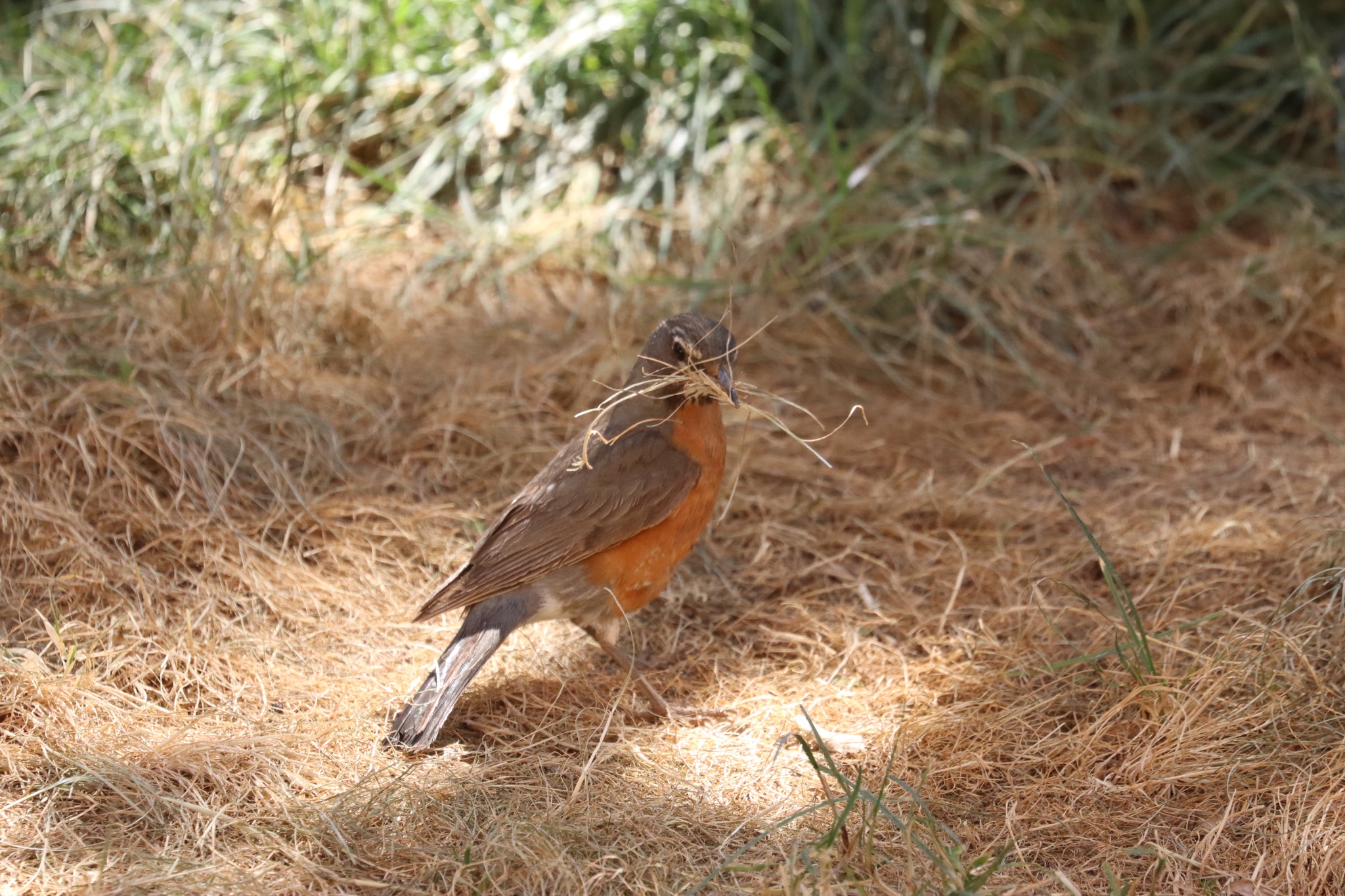
- The significance of birds in ecosystems and their roles.
- The process of drawing birds and developing artistic skills.
- How engaging with nature inspires creativity and joy.
- The connection between art, conservation, and wildlife appreciation.
- Ways to participate in community art initiatives and conservation efforts.
Birds play vital roles in ecosystems worldwide. They fill diverse niches, from pollination to seed dispersal, that maintain ecological balance. Their adaptable nature allows them to thrive in numerous environments. Birds also serve as indicators of environmental health. Their presence or absence can tell us a lot about the local ecosystem’s state. For conservationists, studying bird populations can help identify changes in climate and habitat that need to be addressed.
Drawing a bird can be an incredibly rewarding artistic experience. Not only does it promote the appreciation of avian beauty, but it also provides a platform for developing technical skills. Beginners often start with simple shapes, observing the bird’s anatomy and movement. Artists can focus on capturing not just the physical features but also the personality of the bird. Pay attention to the slight variations in feather texture and color. Use various techniques, such as pencil, watercolor, or digital media, to bring your vision to life. This practice encourages mindfulness and patience, essential traits for any artist.
Nature serves as an endless well of inspiration. When surrounded by trees, mountains, or meadows, many feel a sense of wonder that can fuel creativity. For many, the act of observing birds can stimulate artistic expressions and innovative thoughts. Watching birds flit about can inspire whimsical drawings that reflect their energy and joy. Incorporating colors and patterns inspired by nature can further enhance one’s work. By translating these moments into art, individuals can share the beauty of their experiences with others.
Art can serve as an influential medium for wildlife conservation. Through drawings and paintings, artists can convey the importance of protecting habitats and species. Each piece serves as an emotive representation of nature, fostering a connection between viewers and wildlife. Visual storytelling can effectively evoke feelings of empathy and responsibility toward conservation initiatives. Artists are often seen as ambassadors for nature’s beauty, reinforcing the idea that protecting birds and their habitats is essential for future generations.
Community involvement offers various avenues for spreading joy and appreciation for wildlife. Platforms such as Fan Art Friday encourage people to submit their bird drawings, fostering a sense of shared enthusiasm. These initiatives not only highlight individual artistic expression but also promote awareness of conservation efforts. Participating in local art and conservation projects can deepen understanding and appreciation of bird species. Workshops, both virtual and in-person, provide opportunities to learn from experienced artists and conservationists. Engaging with others who share these passions creates a supportive network for budding artists.
Birds also hold cultural significance in art and literature. Various myths, legends, and folklore worldwide feature birds, illustrating humanity’s fascination with these creatures. Many artistic movements have drawn inspiration from birds. For example, Impressionist artists often painted birds in their natural settings, highlighting the beauty of fleeting moments. Their ability to soar above landscapes offers a unique perspective that resonates with many.
Pigeon post historically conveys messages across distances, showcasing the significance of birds in communication. Today, initiatives like birdwatching have increased in popularity, allowing individuals to connect with their environment actively. Birdwatching clubs often host events to draw attention to local species, helping to foster a sense of community. Such gatherings provide the tools and resources necessary for individuals to learn and appreciate the importance of local avifauna.
Conservation programs focusing specifically on birds aim to increase awareness and support for declining species. Organizations like the National Audubon Society and BirdLife International work tirelessly to protect important habitats and mitigate threats such as climate change and habitat loss. Volunteers often play crucial roles in these efforts, helping with local initiatives that promote the protection of endangered birds. Engaging in citizen science projects can contribute valuable data on bird populations and distributions.
Art and science often intersect when it comes to wildlife conservation. Artistic interpretations of bird species serve educational purposes while also evoking emotional responses from audiences. Additionally, educational programs incorporating art can enhance understanding of ecological principles. Schools and community organizations often hold workshops that combine art with biology, fostering appreciation for wildlife.
Individuals can take part in replication projects that explore historical art depicting birds. Researching how various cultures have historically interacted with birds reveals insights into their importance across civilizations. These projects can involve analyzing ancient artifacts, drawings, and books dedicated to avian life. By understanding cultural perspectives, individuals can deepen their appreciation and incorporate this knowledge into their artwork.
The process of drawing birds can be meditative. Taking time to observe them allows individuals to step back from their fast-paced lives. Many artists find, through drawing, a newfound sense of focus and clarity. This mindfulness can also lead to innovative ideas in their artistic practice. Each stroke of the pencil or brush encourages engagement with nature, infusing the experience with purpose.
Social media platforms provide an excellent medium for sharing artistic creations. Artists can showcase their work and connect with a broader community. Many online platforms dedicated to art allow users to post images of their work, facilitating feedback and encouragement. Sharing artwork inspired by birds can engage viewers and inspire them to appreciate nature. Individual interpretations can spark dialogues around conservation.
Art installations in public spaces can also serve as visual reminders of the importance of bird conservation. Murals or sculptures featuring birds can awaken interest in local biodiversity. Such projects can draw the attention of passersby, stimulating conversations about avian species and their habitats. Community projects that aim to create engaging artworks often incorporate educational components, making art informative as well as visually appealing.
Participating in art and conservation activities creates synergy, enriching both the artist and the community. Local organizations often host events that celebrate wildlife and encourage artistic expressions. These gatherings reinforce the understanding that everyone’s contribution matters in fostering environmental stewardship. Artists are empowered to use their skills to raise awareness, driving positive change for both local ecosystems and the global community.
Bird drawing contests provide an avenue for playful competition while celebrating avian life. Such contests can encourage individuals of all ages to create and appreciate birds in various forms. They also underline the importance of sharing creative expressions with others, creating a sense of belonging and camaraderie. Many contests culminate in exhibitions, allowing the community to come together to admire artistic representations of wildlife.
Nature is filled with vibrant life, appealing not only to artists but also to budding scientists. Sketching birds offers an interdisciplinary approach by overlapping art, biology, and conservation. Adding annotations about the birds’ behaviors or habitats turns simple sketches into informative illustrations. Such practices not only deepen understanding but also foster a sense of responsibility toward environmental conservation.
Educational programs that blend art and science can lay the groundwork for the next generation’s conservationists. Schools can incorporate curriculum elements that focus on local bird species, promoting hands-on learning through field trips and art projects. Engaging students with creative exercises can inspire them to cherish and protect the natural world. These initiatives help to cultivate a culture of respect for wildlife within communities.
Local communities can explore partnerships with educational institutions, conservation organizations, and artists to promote awareness campaigns about birds and their habitats. Through collaborative efforts, unique programs can be developed to share knowledge and appreciation for avian life. Creating events that mix education and creativity can lead to a more engaged and informed public.
Birds are not just beautiful creatures; they are vital components of healthy ecosystems. They fill essential roles that contribute to biodiversity and ecological stability. Drawing them allows individuals to celebrate their magnificence while promoting awareness of the challenges they face. Engaging with nature can yield artistic expression, foster community involvement, and lead to a more profound appreciation of wildlife.
The act of drawing a bird fosters connections — personal connections to art, community connections to collective efforts, and deeper connections to conservation. As more people participate in these practices, awareness around wildlife conservation grows. Such actions reflect the shared responsibility to protect the environment for current and future generations, forging a path toward a greener and more sustainable future.
*****
Source Description
Happy 🦆 Inspiration is everywhere in nature, and today we encourage you to spread joy by trying your hand at drawing a bird. Share your drawings with us by sending us a Direct Message and you could be featured in an upcoming Fan Art Friday 🐦
