
- Understanding the significance of animal behavior in wildlife conservation
- The role of affectionate interactions between animals
- The importance of engaging the public through relatable animal stories
- Evolving practices in zoo management and how they influence animal welfare
- The broader implications of wildlife conservation for ecosystems
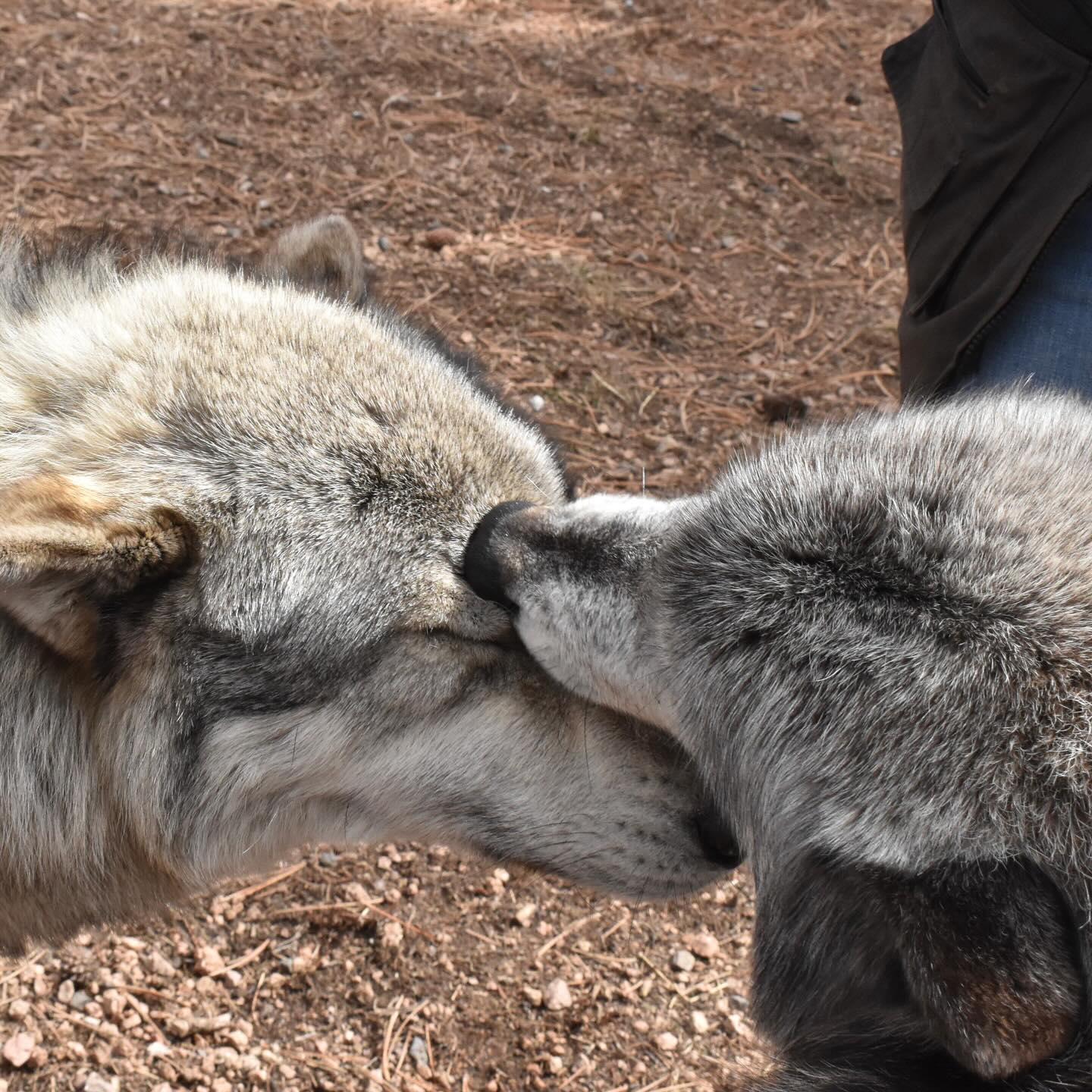
Animal behavior is a crucial element in understanding wildlife conservation. It provides insight into how species interact with one another and their environments. Although many people may find it endearing to observe two animals display affection, what appears to be simple bonding behavior holds deeper biological significance. For example, the kiss shared between Rayne and Denali is not merely a social interaction but can be understood as part of a broader set of behaviors that influence social structure, breeding success, and individual well-being.
When we consider Rayne and Denali, two animals from a given species, their affectionate behavior can be viewed through the lens of attachment theory in animal behavior. Such interactions help to build bonds not only between individuals but also strengthen social networks within communities. For animals, social bonds can be crucial for mutual support, especially in species that rely on group living. Research shows that strong relationships often correlate with increased reproductive success. Therefore, analyzing their interactions allows researchers to derive valuable conservation strategies aimed at protecting species in the wild.
The role of affectionate interactions, such as the goodnight kiss, cannot be understated. In many animal species, grooming and tactile interactions are vital for establishing and maintaining bonds. This behavior plays a significant role in establishing social hierarchies and reducing stress among individuals. For instance, in primates and various social mammals, grooming often leads to heightened levels of endorphins and oxytocin, which may enhance both fitness and survival rates. The kiss between Rayne and Denali may signify contentment, establishing a sense of security that enhances their overall welfare. Understanding such behaviors enables zoo managers and wildlife conservationists to better assess the emotional and psychological needs of animals in captivity as well as in their natural habitats.
Engaging the public through relatable animal stories is essential for promoting conservation efforts. People often connect more deeply with animals when they can see their personalities, quirks, and emotional bonds. The story of Rayne and Denali’s goodnight kiss serves as an accessible entry point for the public to explore the complexities of animal care and wildlife conservation. Such narratives serve not only as emotive tales but also educate audiences on the importance of biodiversity and the conservation of habitats. For instance, by showcasing affectionate behaviors, zoos can highlight the psychological and social needs of animals, prompting further public interest and support for conservation initiatives.
Connected to this is the evolution of practices in zoo management, which emphasize increased space and environmental enrichment for the animals. Historically, zoos operated under a display-driven model, focusing primarily on the visual appeal of animal exhibits. However, modern management has shifted towards creating habitats that reflect the animals’ natural behaviors. The interaction of Rayne and Denali is evidence of this paradigm shift, showcasing that animals in captivity can exhibit natural behaviors that enhance their well-being. With ongoing research supporting this model, zoos are better equipped to cater to the psychological, social, and physical needs of their inhabitants.
As we investigate the implications of wildlife conservation, we must also consider the broader ecosystem impact of animal interactions. Healthy populations of animals sustaining affectionate relationships contribute to the ecological balance of their environments. For example, many species rely on social structures to ensure effective foraging, predator avoidance, and mating opportunities. Preserving these networks is vital, not just for individual species, but for entire ecosystems. The affection demonstrated by animals like Rayne and Denali can help facilitate these interactions, supporting biodiversity and resilience against environmental changes.
In summary, the goodnight kiss between Rayne and Denali serves as a microcosm of critical concepts in animal behavior, animal welfare, and conservation practices. Observing animal behavior fosters a deeper understanding of social structures and individual well-being, providing a foundation for more effective wildlife conservation strategies. The emotional connections seen in such interactions work as powerful tools for engaging the public and promoting conservation awareness. This, combined with evolving zoo management practices, provides a comprehensive approach to safeguarding wildlife and their habitats, thus fostering a healthier, more balanced ecosystem for generations to come.
*****
Source Description
A goodnight kiss from Rayne to Denali 😘
