
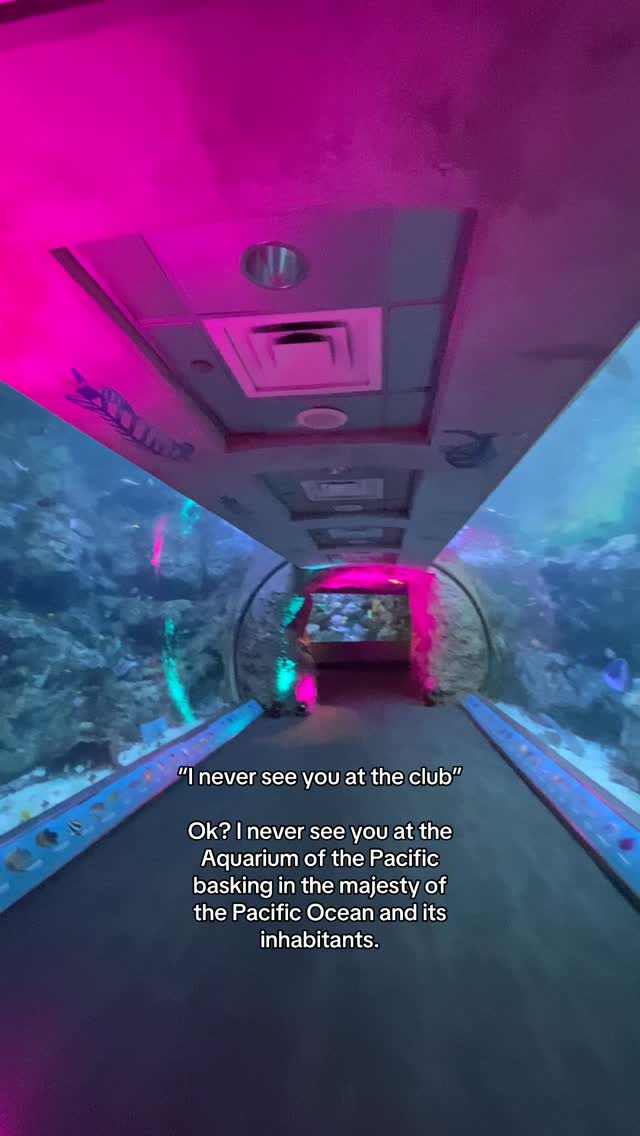
- The significance of aquariums in conservation efforts and public education
- The role of The Aquarium 🤝 The Club in promoting marine biodiversity
- Challenges in aquarium management and animal care
- The integration of technology in aquarium experiences
- Community engagement and outreach programs
The significance of aquariums in conservation efforts and public education cannot be overstated. Aquariums serve as essential institutions that foster awareness and understanding of aquatic ecosystems. They play a crucial role in educating the public about marine life and environmental conservation. Through live exhibits, interactive displays, and informative signage, visitors gain a deeper appreciation for the complexity of underwater habitats. Not only do aquariums showcase the beauty of oceanic species, but they also address critical issues such as overfishing, habitat degradation, and climate change.
The Aquarium 🤝 The Club represents a collaborative approach to marine conservation and education. This partnership aims to engage communities by offering insights into marine biodiversity. By creating a space where people can learn about both the beauty and fragility of marine ecosystems, this initiative actively encourages individuals to become stewards of their environment. Programs often include guided tours, workshops, and interactive sessions focused on species native to specific aquatic environments. Such programs can enhance visitor knowledge while promoting sustainability principles.
The role of aquariums in promoting marine biodiversity extends beyond mere display. Many aquariums actively participate in research initiatives and breeding programs that contribute to species conservation. For instance, organizations often collaborate with universities and research institutions to monitor fish populations and aquatic health. These efforts are vital, particularly for endangered species. Breeding programs in controlled environments can help replenish dwindling populations and serve as genetic reservoirs for future reintroduction into their native habitats.
Challenges in aquarium management and animal care are numerous. Zoos and aquariums face continuous pressure to maintain high standards of animal welfare. The biological and psychological needs of species must be adequately addressed. This can include the design of naturalistic habitats, social groupings that reflect wild populations, and enrichment activities that allow for natural behaviors. Staff must also navigate the complexities of health care for diverse species. Veterinary care must be tailored to accommodate various marine organisms, each with unique physiology and disease susceptibilities.
The integration of technology into aquarium experiences represents a shift towards enhancing visitor engagement. Advanced exhibits now utilize augmented reality (AR) and virtual reality (VR) to immerse visitors in marine environments. These technologies can simulate underwater experiences, allowing individuals to interact with species in a way that traditional displays may not. For example, AR apps might provide additional information as visitors point their devices at specific tanks. This interactivity can deepen understanding, making it easier to grasp the concepts discussed in various educational programs.
Community engagement and outreach programs play a significant role in the significance of The Aquarium 🤝 The Club. These initiatives may include local clean-up events, school partnerships, or citizen science projects that involve community members in data collection. For instance, collaborating with schools to host field trips allows students to visit the aquarium and conduct hands-on investigations related to marine science. Such activities can foster a sense of connection to the underwater world and empower individuals to take action towards conservation efforts.
Moreover, supporting local ecosystems is critical for a holistic approach to marine conservation. Many aquariums focus on educating the public about the delicate balance of local aquatic habitats. This may involve workshops on sustainable fishing practices, native species identification, and habitat restoration projects. By encouraging participation in local conservation efforts, aquariums can help create informed ambassadors for marine ecosystems.
Aquarium management requires constant monitoring and assessment of exhibits and animal welfare. Regular improvements and adaptations must be made based on scientific research and visitor feedback. This responsibility falls to a skilled staff of zookeepers, marine biologists, and educators who work tirelessly to provide quality experiences for both animals and visitors. Ongoing professional development helps staff stay abreast of the latest research in zoology and conservation.
The increasing importance of ethical practices in animal care cannot be overlooked. Many institutions are moving away from just keeping animals in captivity for display purposes. They now emphasize the need for rehabilitating and rescuing marine creatures when possible. Some aquariums have established partnerships with wildlife rehabilitation organizations to support these initiatives. This collaborative model not only benefits wildlife but also educates the public about the necessity of preserving natural habitats.
The Aquarium 🤝 The Club initiative is particularly noteworthy for its focus on sustainable practices. By incorporating environmentally-friendly technologies and policies, these institutions lead by example. Waste reduction, water conservation, and energy efficiency measures are critical components of modern aquarium operations. This environmental stewardship extends to the types of products used within the aquarium setting. Many institutions are shifting towards using sustainable materials in their exhibits, reducing their ecological footprints.
Education remains at the forefront of aquarium missions. The Aquarium 🤝 The Club emphasizes the importance of science literacy and environmental stewardship among its visitors. Educational programming is often targeted at various age groups, ensuring that individuals of all backgrounds can connect with marine science. By employing active learning methods, such as workshops and hands-on activities, aquariums can create memorable experiences that inspire environmental advocacy.
Blueprints for future directions in aquarium experiences involve increasing the inclusivity of programs. Many institutions are focusing on providing resources for individuals with disabilities. Priority is given to creating accessible exhibits and offering sensory-friendly experiences that allow everyone to engage with marine conservation. This inclusivity enhances the learning environment and increases opportunities for community involvement.
The future of aquariums like The Aquarium 🤝 The Club relies heavily on community involvement. Volunteer programs allow local citizens to become directly engaged in conservation efforts and communicate their newfound knowledge to others. By empowering volunteers, aquariums can build a network of advocates dedicated to protecting marine ecosystems. Engaging the community strengthens ties between individuals and their environment, fostering a culture of appreciation and responsibility.
Overall, institutions like The Aquarium 🤝 The Club play an essential role in educating the public about marine biodiversity. Through innovative approaches to display, community engagement, and direct involvement in conservation initiatives, they work towards protecting aquatic ecosystems. The collaborative efforts reflected in these partnerships pave the way for better management practices and ultimately contribute to the survival of threatened species.
Aquariums continue to serve as vital resources for research and conservation, ensuring the health and sustainability of marine environments. As public interest in marine life burgeons, the need for accurate, engaging educational content becomes paramount. By developing programs that resonate with a broad audience, these specialized institutions are well-positioned to advocate for marine conservation effectively.
*****
Source Description
The Aquarium 🤝 The Club
