
- The importance of preventive medicine in animal welfare and conservation.
- The detailed process of health monitoring for flamingos.
- The role of teamwork and shared commitment in wildlife care.
- The significance of molecular testing such as PCR in veterinary diagnostics.
- The passion and dedication required in the field of wildlife conservation.
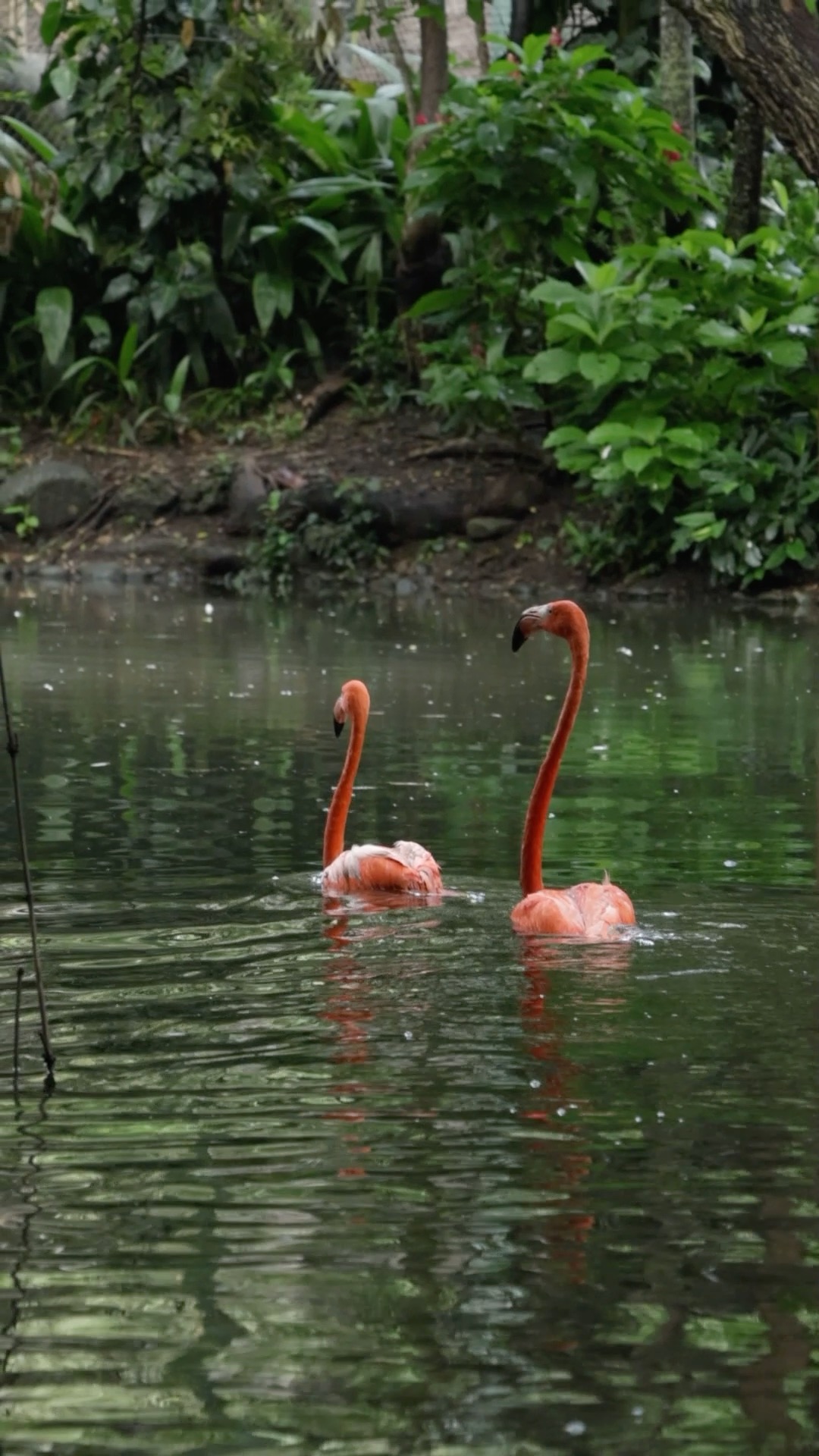
Preventive medicine is a critical component in animal welfare and conservation efforts. It involves proactive measures to detect and address health issues before they become problematic. A recent endeavor exemplifies this approach: caring for a group of 70 flamingos. This initiative required the collective efforts of 37 dedicated individuals, each committed to safeguarding the life and health of these majestic birds.
The practice of preventive medicine includes regular health assessments, such as clinical examinations and diagnostic testing. These steps are essential to identify any alterations in an animal’s well-being promptly. The ultimate goal is to act swiftly and maintain the health of each creature, ensuring they receive the care they require.
In this particular operation, the team conducted comprehensive clinical exams on every flamingo. Blood samples were taken to assess general health and detect any hidden conditions. Moreover, molecular tests like PCR (Polymerase Chain Reaction) were employed to identify possible infections at an early stage. This method is highly accurate, providing clear insights into the presence of viral or bacterial pathogens.
Teamwork is fundamental when undertaking such large-scale efforts. The collective responsibility shared by 37 individuals highlights the importance of collaboration in wildlife conservation. Each member brings expertise and passion, contributing to a seamless operation that prioritizes animal welfare. The shared commitment to a common cause strengthens the team’s ability to deliver effective care and achieve their goals.
The implementation of PCR testing in veterinary diagnostics represents a significant advancement. This technique allows for the detection of pathogens that might otherwise remain unnoticed. Early detection is vital, facilitating prompt interventions that can prevent potential outbreaks or serious health issues. The integration of such technology demonstrates a forward-thinking approach in the management of animal health.
Passion lies at the heart of wildlife conservation. The individuals involved in this project illustrate the deep commitment necessary to protect and nurture animal life. Their work extends beyond mere tasks—it’s a heartfelt endeavor that underscores their dedication to preserving the natural world.
Preventive medicine, collaborative efforts, advanced diagnostics, and passionate commitment are the cornerstones of successful wildlife conservation. These elements combined ensure the thriving health of animals like flamingos, reflecting the profound impact of comprehensive care and stewardship in zoology.
*****
Source Description
¡Una jornada de alas, cuidado y mucha pasión por la vida!🦩 Acabamos de completar un gran reto: ¡70 flamencos, 37 personas y un mismo compromiso… cuidar la vida!
La medicina preventiva es una pieza clave en nuestra labor diaria de cuidado y bienestar animal. Nos permite detectar a tiempo cualquier alteración en la salud, actuar oportunamente y asegurar el bienestar de cada individuo. 🧪
En esta ocasión, realizamos exámenes clínicos, tomamos muestras de sangre, pruebas PCR y más, todo con una meta clara: ¡su salud y bienestar! 🦩💛
¡Más que un trabajo, una gran pasión!… 💛
.
.
.
