
- The acclimatization process of sea lions
- The importance of outdoor habitats for pinnipeds
- The role of animal care specialists in wildlife management
- The fundraising efforts for maintaining sea lion care
- The significance of community involvement in conservation efforts
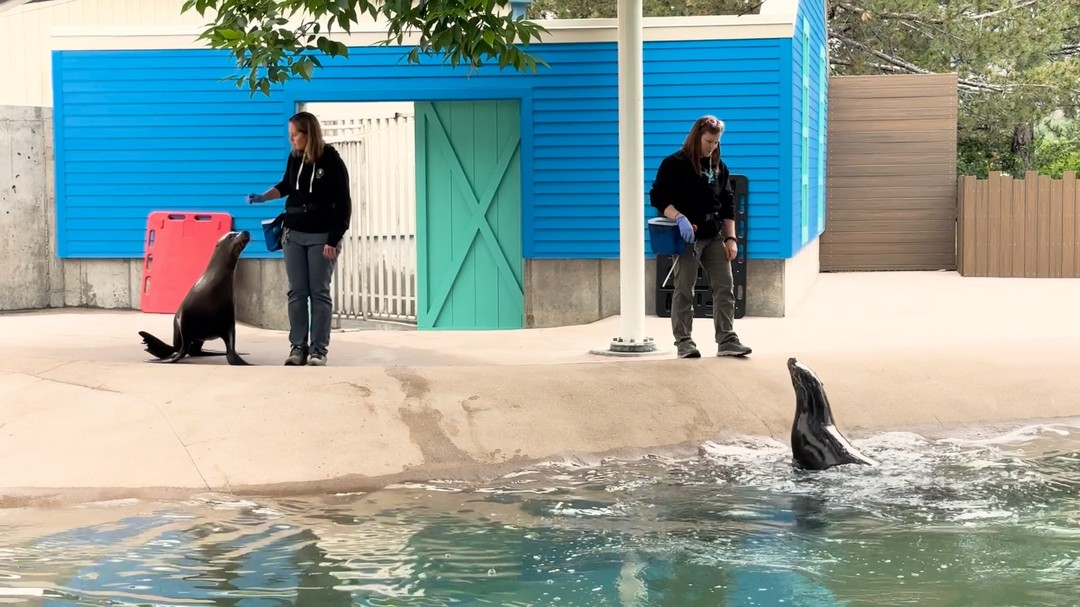
The acclimatization process of sea lions, specifically for Ady and Luci at the DZCA, illustrates an important stage in animal management. When sea lions are reintroduced to their environment, it is crucial for their physical and psychological well-being. The transition allows them to adjust to new stimuli, which can include changes in habitat, social dynamics, and interaction with humans. Animal Care Specialists closely observe their behavior during this period, assessing how the sea lions adapt to the new surroundings. This careful monitoring helps to ensure that stress levels remain low as they settle into their upgraded habitat.
Outdoor habitats are vital for all types of pinnipeds, including seals, sea lions, and walruses. These environments replicate the natural conditions that these marine mammals require for thriving. The open space allows for natural behaviors such as swimming, diving, and socializing, which are critical for their development and health. The importance of these habitats cannot be overstated. They provide the necessary stimulation and exercise that contribute to a sea lion’s overall happiness and well-being. Activities like swimming, and exploring their surroundings, enhance their physical condition and psychological health.
Animal Care Specialists play an essential role in wildlife management. They educate the public about the sea lions’ natural behaviors, care needs, and conservation status. Their responsibilities include feeding, monitoring, and training the sea lions to ensure they are physically fit. Training sessions also serve as enrichment activities that stimulate the mental capacity of the animals. These interactions can lead to healthier, more engaging environments not just for the animals, but also for visitors. Each training session allows the Care Specialists to bond with the sea lions, building trust and enabling better care.
Fundraising efforts are crucial for the ongoing care of sea lions like Ady and Luci. The fundraising goal of $23,000 aims to cover travel expenses and routine care costs. These financial contributions directly impact the quality of life for pinnipeds at the DZCA. Community support in this regard is invaluable—donations help sustain the specialized diets, medical check-ups, and habitat upgrades that enhance the sea lions’ living conditions. Engaging the community through events and educational outreach promotes awareness about wildlife conservation and the importance of long-term commitment in animal care.
Community involvement also plays a significant role in conservation efforts. Initiatives like the Member Sea Lion Habitat Preview Event provide unique opportunities for residents to witness the beauty of marine life first-hand. People gain insight into the critical work done by the zoo and the measures taken to ensure the well-being of the animals. Educating the public about the challenges facing sea lions fosters a sense of stewardship, allowing individuals to make informed decisions that contribute to the conservation of these species.
Furthermore, it is essential to understand the ecological roles played by sea lions in marine ecosystems. As top predators, they help maintain the balance between various species in their habitats. Their hunting habits affect the population dynamics of their prey, which can include fish and squid. Change in sea lion populations, whether due to environmental pressures or human activities, can lead to cascading effects within these ecosystems. In this sense, current conservation efforts are critical; protecting and supporting sea lion populations secures healthier marine habitats.
The excitement surrounding the return of Ady and Luci underscores a larger narrative about wildlife recovery and rehabilitation. The public’s engagement with the sea lions can spur interest in conservation practices. Highlighting their journey—from acclimatization to playful interactions—encourages people to appreciate marine life and the efforts that go into their care. Knowledge of animal behavior and veterinary practices enriches community understanding, making it easier for people to connect with the animals.
As we count down the days to the official opening on June 20, it’s evident that the return of the sea lions will not only delight guests but also serve as a reminder of the importance of wildlife conservation. Educators and caretakers work collaboratively to make experiences like this possible, reinforcing the principles of animal welfare. Educational programs associated with the sea lions provide insights into marine conservation issues, such as habitat loss, climate change, and human impacts on ocean life.
Through our engagement and support, we can make waves for our pinnipeds. By donating, we contribute directly to the efforts needed for proper care, travel expenses, and habitat maintenance. Each contribution makes a meaningful difference, no matter how small. Creating strong funding networks is essential for meeting the immediate needs of sea lions and developing long-term conservation strategies.
In summary, the story of Ady and Luci exemplifies what can be achieved through concerted efforts in wildlife management and community involvement. The training and acclimatization they experience highlight the responsibilities that come with animal care. The outdoor habitats crafted provide essential conditions for their well-being, while dedicated specialists work to ensure that these sea lions thrive.
This collective effort emphasizes not just the significance of zoological institutions but also the vital role each citizen can play in preserving wildlife. By participating in events, donating funds, or simply spreading awareness about marine conservation, everyone can contribute to making a positive impact. The journey of our sea lions has just begun, and as we support their needs, we also support the greater narrative of conservation and ecological balance that benefits us all.
*****
Source Description
Our girls are back with a splash! After acclimating to their behind-the-scenes space, Ady and Luci were ready to dive into their new outdoor habitat. They enjoyed a training session with our Animal Care Specialists and had a blast exploring their upgraded digs. 🩵
We’re so thrilled to welcome our sea lions back and we’re counting down the days to the official opening on June 20! DZCA members can get an exclusive first look during our Member Sea Lion Habitat Preview Event on June 13 and 14.
Want to help us make waves for our pinnipeds? We’re over halfway to our goal of $23,000! A donation of any amount helps cover the travel costs needed to bring our sea lions home and supports ongoing care for our flippered friends at DZCA. Visit the link in our bio to donate today!
