
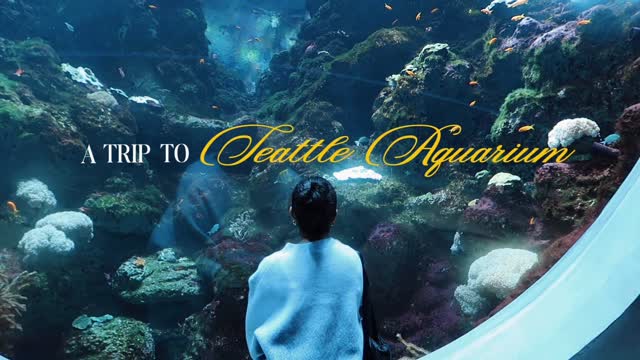
- Overview of the Seattle Aquarium and its significance in marine conservation.
- Introduction to my favorite fish and their specific traits.
- Insights into fish behavior and social structures.
- Importance of preserving marine life and habitats.
- Steps you can take to support marine conservation efforts.
A visit to the Seattle Aquarium offers an engaging and educational experience. Established in 1977, the aquarium turned into an important center for marine biology research and education. It showcases a diverse collection of marine species native to the Pacific Northwest, educating the public about the vital role of these species in their ecosystems. The aquarium’s mission emphasizes conservation and involves various programs aimed at protecting marine life and habitats.
Visiting such institutions highlights the importance of preserving the environment and aquatic ecosystems. You discover not just the beauty of marine life but also the challenges they face, including pollution and habitat loss.
Among the aquarium’s many inhabitants, my favorite fish stood out—clownfish. Their vibrant orange and white stripes captured my attention instantly. Clownfish, known for their symbiotic relationship with sea anemones, showcase remarkable adaptability. They thrive in anemone tentacles, which provide protection from predators while benefiting from the clownfish’s waste. The dynamic between clownfish and anemones exemplifies an essential concept in marine ecology—mutualism.
The genetic diversity among clownfish species offers scientists rich data on behavior and physical traits. Clownfish are also known for their complex social structures. A single anemone usually hosts a dominant female, her male partner, and several smaller, non-breeding males. Observing these social hierarchies in person is enthralling. The visual display of the clownfish holding fins was mesmerizing. It highlighted their bond and showcased their behavior, making the visit even more meaningful.
Fish behavior serves as a fascinating field of study. For instance, clownfish use a range of communication methods, including body language and sound. They can produce popping and crackling noises to establish territory or signal distress. Such interactions provide insight into their social structures and ecological roles. The ability of clownfish to recognize individual anemones goes beyond simple survival; it demonstrates a degree of memory and learning few people associate with marine creatures.
Understanding fish behavior plays a crucial role in efforts to protect these species and their habitats. Coral reefs, for instance, are highly sensitive ecosystems. They are frequently damaged by overfishing and climate change. Recognizing the importance of fish in maintaining coral health demonstrates why we must advocate for sustainable fishing practices.
Further, clownfish are part of a larger marine ecosystem that helps maintain balance. By targeting one species for conservation, broader ecological benefits can follow. Protecting clownfish habitats can bolster coral reefs, creating a ripple effect that benefits numerous marine organisms. When supporting conservation, you contribute to preserving entire ecosystems rather than just individual species.
The Seattle Aquarium does an excellent job of educating visitors about the importance of marine conservation. Engaging exhibits not only make learning enjoyable but also lay the foundation for future action. The aquarium promotes responsible seafood consumption through various programs, highlighting how individual choices impact marine life. The role of public education cannot be overstated; it serves as a catalyst for change in behavior and policy-making.
This visit inspired me to reflect on what we can do to aid marine conservation efforts. Many people may feel overwhelmed by the state of our oceans, but small actions can lead to significant changes. Supporting local fisheries that practice sustainable fishing, reducing plastic use, and participating in clean-up efforts are all valuable contributions. Spreading awareness about marine issues through conversations and social media can also influence others to take action.
By opting for eco-friendly products and practices, you contribute to the conservation of aquatic ecosystems. Engaging in advocacy and supporting organizations focused on marine protection allows dedicated individuals to amplify their impact. Participation in beach clean-ups or volunteering with local aquatic programs can create deeper connections to our oceans.
The interaction between people and marine life fosters a sense of responsibility. As we learn more about these creatures and their habitats, we cultivate a desire to protect them. By visiting places like the Seattle Aquarium, we not only gain knowledge but also become advocates for marine health.
The Seattle Aquarium showcases a wide variety of marine environments—from rugged coastlines to serene tidal pools. Each exhibit simulates natural habitats, offering opportunities to witness marine life firsthand. In each corner, there are screens and interactive displays designed to engage visitors and enhance the educational experience.
Educational signage illustrates the challenges marine life faces, along with ways we can contribute to positive change. The aquarium prioritizes community engagement, organizing events that bring attention to pressing marine topics and enable visitors to share their experiences. Networking with like-minded individuals builds a community focused on marine stewardship.
A deep-sea exhibit displayed astonishingly diverse fish species. It was here that I felt a surge of appreciation for the complexity of ocean ecosystems. From bioluminescent creatures to vibrant reef dwellers, the diversity was captivating. Each species plays a role in their environment, and understanding these roles can influence conservation policies aimed at protecting these intricate systems.
Seeing clownfish in person reinforced the need for conservation. Their small but significant role in coastal ecosystems cannot be underestimated. By safeguarding their populations and the environments they inhabit, we are protecting a legacy for future generations.
In my observations, the fascination with clownfish wasn’t just due to their vibrant colors. It also stemmed from their unique behaviors and relationships within their ecosystem. Watching them interact with anemones was a reminder that oceans are not just water but thriving worlds full of life and interaction.
Marine education fosters a broader understanding of aquatic ecosystems and leads to better conservation policies. The Seattle Aquarium uses its platforms to mobilize community discussions about protecting oceans against climate change, pollution, and habitat destruction. Partnerships with local conservation groups provide essential resources and frameworks for ongoing education.
The importance of reefs extends beyond ornamental fish. They provide shelter for various species and serve as nurseries for young fish. Their decline directly affects global fish populations and, by extension, human communities reliant on these resources. By learning more about the interconnectedness of marine life, we can take more informed steps toward sustainable practices and policies.
As I walked through the aquarium, I felt a renewed sense of responsibility toward marine conservation. Clownfish embody the beauty of marine life and remind us of the importance of nurturing our oceans. Each fish holds a story of evolution, survival, and relationship. Understanding this can motivate a commitment to preserving these enchanting ecosystems.
Supporting conservation through education is pivotal for future generations. The children at the aquarium marveled at the clownfish and their environment, establishing a connection that could fuel a lifelong passion for the ocean. It is this passionate engagement that will drive progress in marine conservation.
Organizations like the Seattle Aquarium offer vital support for these endeavors. They contribute not only to individual learning but also to larger conservation movements. Visits to these centers educate visitors about the significance of marine ecosystems and inspire actions that can mitigate the ongoing crisis in ocean health.
By embracing our roles as stewards of the ocean, we can work collectively to foster a sustainable future. Every individual effort counts. By sharing knowledge and advocating for marine life, we build a community of informed citizens ready to tackle the challenges facing our oceans.
Investing time in understanding marine life enriches our lives and empowers us to initiate change. Next time you encounter a clownfish or visit an aquarium, think about what you can do to protect their habitat and the intricate ecosystems they represent. Make informed choices in your daily life. Participate in community clean-ups. Educate others about marine conservation. Collectively, we can make significant strides toward safeguarding our oceans for generations to come.
*****
Source Description
a trip to the @seattleaquarium with my favorite fish 🐠 so cute seeing those two hold fins🥹
