
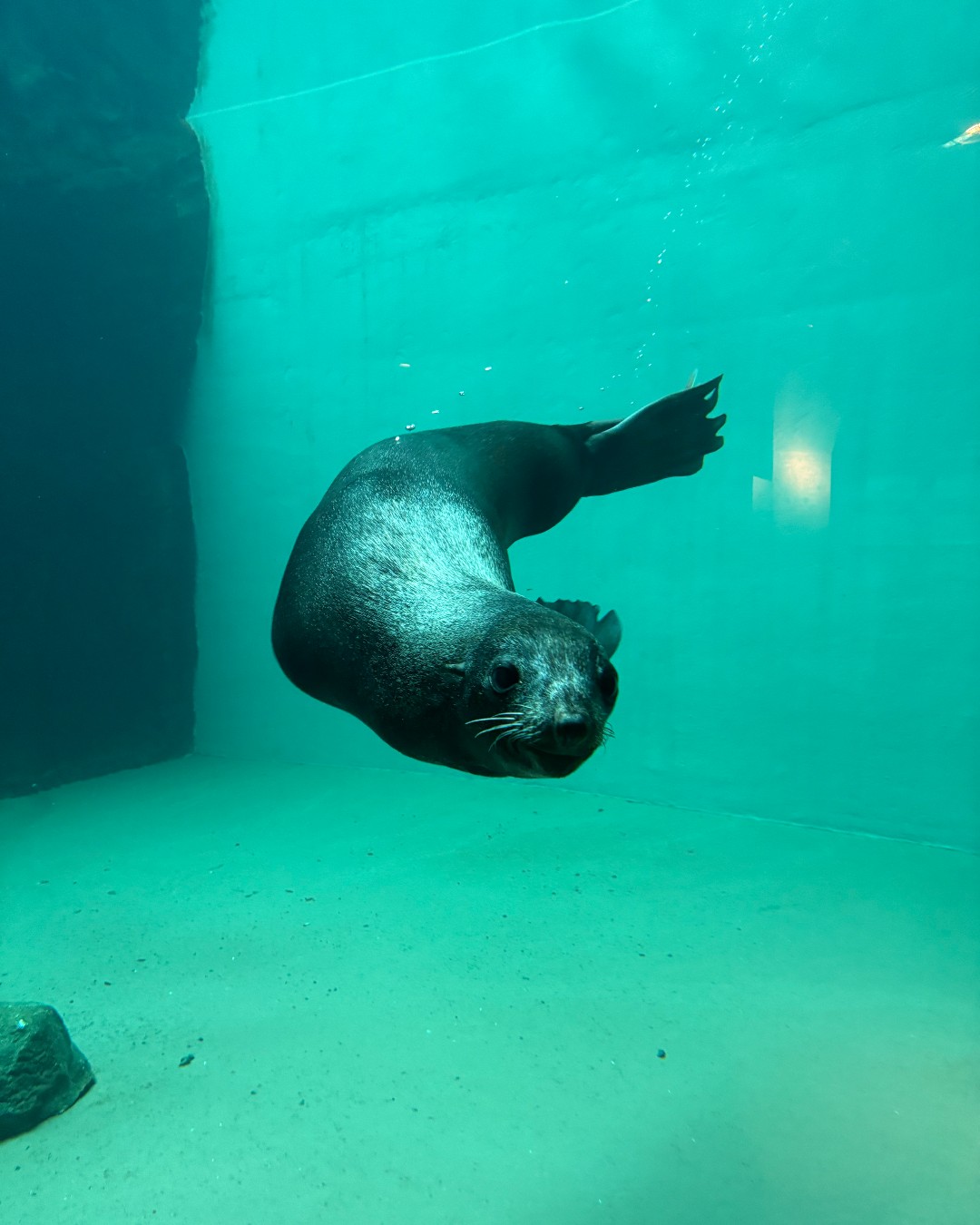
- The role of Chiidax in understanding avian and mammalian conservation.
- Insights from Curator of Birds & Mammals Veronica on animal behavior and care.
- The importance of engaging the public in wildlife conservation efforts.
- Strategies for effective zoo management and animal welfare.
- The intersection of education, zoology, and conservation in modern zoos.
Good morning! From one curious Chiidax, we embark on a journey into the captivating field of zoology, focusing particularly on birds and mammals. Chiidax serves a vital role in understanding conservation efforts and the intricate behaviors of various species. This article will shed light on the essential roles played by zoos, with a particular emphasis on insights shared by Veronica, a dedicated Curator of Birds & Mammals.
Chiidax is more than just an observer; it embodies a deep curiosity for nature’s wonders. Understanding the behavioral patterns of birds and mammals is crucial for their conservation. Veronica’s extensive background in zoology informs her unique perspective. Each species has evolved distinct strategies for survival, shaped by their environment, social structures, and interactions with other animals. Observations in this field not only foster appreciation but also guide effective conservation strategies.
Veronica’s insights open the door to a deeper understanding of animal welfare and care. Working with a variety of species, her experiences illustrate the necessity of tailored care practices. Every bird and mammal has specific needs—diet, habitat, and social interaction can vary widely. For example, raptors require expansive areas to fly and hunt, while social mammals such as elephants thrive in groups. Proper care demands continuous education and adaptability, which are crucial for every animal’s psychological and physical well-being.
Public engagement plays a significant role in wildlife conservation efforts. Zoos have a unique platform to raise awareness about the struggles that birds and mammals face in the wild, including habitat loss and climate change. Veronica emphasizes that educational programs designed for visitors can make a huge difference. By creating interactive experiences, zoos foster a sense of stewardship and understanding of wildlife. People who visit zoos not only see animals up close but also learn about their habitats and the challenges they encounter in the wild. This knowledge empowers individuals to make informed choices that can positively impact conservation initiatives.
Zoo management is key to ensuring species survival and promoting animal well-being. Effective management strategies involve habitat enrichment, proper nutrition, and healthcare. Veronica discusses the importance of creating environments that mimic animals’ natural habitats. For mammals, this can include various substrates to dig or climb on, while for birds, it may involve an array of perches and foliage for nesting. Such considerations help reduce stress and encourage natural behaviors.
Care routines are not merely tick-box exercises; they involve understanding animal behavior at a fundamental level. Monitoring each animal’s health is critical. Regular check-ups and behavioral assessments can reveal early signs of distress or illness, allowing for timely intervention. Whether caring for a colorful parrot or a stealthy leopard, the focus remains on individual needs and specific behaviors.
The connection between education, zoology, and conservation shines in modern zoos. They serve as living classrooms, where visitors can learn about the delicate balance of ecosystems and the role that each species plays. Veronica notes that incorporating technology—like virtual reality experiences and educational apps—has transformed the way people engage with animal care and conservation. These advancements help demystify scientific concepts, making them accessible to audiences of all ages.
Community involvement is also paramount in conservation efforts. Partnerships with local schools and organizations create opportunities for hands-on learning. Youth programs that involve students in animal care and habitat restoration foster a sense of responsibility and connection to wildlife. Veronica often collaborates with educators to create lesson plans that encompass both scientific knowledge and practical skills, ensuring students understand the pressing issues in conservation.
The conservation narrative is further enriched by research initiatives conducted within zoos. By studying captive populations, scientists can gain crucial insights into animal behavior, breeding, and disease management. This research is often translated back to wild populations, facilitating efforts to sustain species that may be endangered in their natural habitats. For instance, breeding programs for species like the California condor have contributed to their reintroduction into the wild. This showcases the importance of zoos as conservation hubs.
As animals face increasing threats from climate change and human expansion, the role of zoos in preserving biodiversity grows. Veronica passionately advocates for continued efforts to protect both birds and mammals. The commitment to conservation is no longer a secondary function of zoos but rather a central mission. Every initiative, from species breeding to habitat restoration, reflects the integral role zoos play in safeguarding wildlife.
Animal behavior is another fascinating area for exploration. Many factors influence behaviors, ranging from evolutionary adaptations to environmental conditions. For example, migratory birds exhibit remarkable navigational skills, often traveling thousands of miles to their nesting grounds. Understanding these behaviors helps in the conservation of migratory routes, ensuring that these birds have safe passage.
Feeding habits, nesting strategies, and social dynamics also reveal the complexity of avian and mammalian life. Various species exhibit unique parental strategies, from monogamous partnerships in some birds to the more communal care observed in certain primates. Studying these dynamics aids in creating better management practices and enhances breeding efforts.
Furthermore, animal enrichment—an essential aspect of care—enables species to exhibit their natural tendencies, promoting psychological well-being. Providing toys, puzzles, and varied diets can significantly improve the quality of life for captive animals. Veronica highlights the importance of enrichment in stimulating cognitive functions and preventing behavioral issues that arise from boredom.
Looking toward the future, it is clear that engaging the public remains central to the mission of zoos. Social media campaigns, interactive exhibits, and community programs can amplify conservation messages. Veronica advocates leveraging platforms to share success stories and inspire positive action, driving a collective commitment to wildlife protection.
Holistic approaches to conservation encompass habitat restoration, species reintroduction, and public education. These multifaceted strategies recognize the interconnectedness of ecosystems and the responsibility humans have for their preservation. As stewards of the earth, we all have a role to play.
Each morning, a curious Chiidax awakens to the wonders of birds and mammals. Supported by dedicated professionals like Curator Veronica, the journey of understanding and conserving wildlife continues tirelessly. With educational insights and community connections, the path towards a more sustainable future unfolds, showcasing the beauty and complexity of the animal kingdom. Engaging the public through well-crafted educational programs and shared responsibilities ensures that wildlife not only thrives in zoos but also continues to exist in the wild.
The collaboration of science, management, and education within the zoo framework creates a ripple effect, promoting conservation efforts worldwide. With ongoing commitment and exploration, the quest for knowledge about birds and mammals remains a vital pursuit. The partnership between zoos and their visitors fosters a shared vision of a world where wildlife is cherished, understood, and protected.
*****
Source Description
Good morning from one curious Chiidax 💙
📸: Curator of Birds & Mammals Veronica
