
- The significance of animal welfare in zoo settings and its impact on biodiversity conservation.
- The role of animal enrichment and training in promoting animal health and well-being.
- The importance of regular maintenance and operational efficiency in zoo transportation systems, like the Titus Express.
- Key measures taken in wildlife conservation efforts and their integration with zoo management practices.
- The educational value of zoos in fostering public awareness about wildlife conservation.
Animal welfare is central to the mission of zoos, as it directly influences the overall health of animal populations and biodiversity. In the context of the tired Drifter’s message, one can infer the importance of ensuring the well-being of both the animals and the infrastructure supporting them, such as the Titus Express. Maintaining these elements is vital for a successful zoo environment.
Animal welfare encompasses physical health, psychological well-being, and the ability to engage in natural behaviors. Studies show a direct correlation between well-maintained habitats and improved animal welfare outcomes. For example, a study conducted by the American Association of Zoo Keepers found that stress levels significantly decreased in animals housed in enclosures mimicking their natural habitats. In the case of the Drifter, a character representing the animals, his tiredness hints at the significance of consistent animal care.
Zoos increasingly focus on the implementation of animal enrichment programs, which enhance the mental and physical health of the animals housed within their facilities. Activities like cognitive challenges and interactive toys can reduce stress levels and encourage natural behaviors. Enrichment not only prevents negative behaviors but also enhances animal interactions with both their environment and human caregivers. In the context of the tired Drifter, we can assume that keeping animals engaged is critical, especially when humans attend to the logistical maintenance of transport systems.
Regular maintenance of zoo transportation systems, like the Titus Express, is essential for operational efficiency. Zoos often employ rail systems to transport animals safely and efficiently. Scheduled maintenance, as highlighted in Drifter’s message, allows the team to address any issues without compromising animal welfare. This practice demonstrates the importance of careful monitoring and swift attention to any operational failures. The animals on board, just like Drifter, rely on the integrity of these systems for their safety and comfort.
Wildlife conservation represents another critical focus for modern zoos. Various species face threats from habitat loss, poaching, and climate change. As part of their missions, many zoos engage in breeding programs aimed at increasing genetic diversity while working with partners in the field to restore habitats. Zoos serve as research hubs, collecting data that can inform conservation strategies across diverse ecosystems. The tired Drifter serves as a representative of the animals that are part of these crucial efforts.
Public education plays a key role within zoo settings. Facilities like the one featuring the tired Drifter not only house animals but also educate visitors about the importance of conservation. Educational programs tailored for different age groups help raise awareness about species preservation, the impact of human actions, and the necessity of biodiversity for ecosystem stability. Interactive exhibits and informational signage can engage visitors and inspire them to take action in their communities. Facilitating these educational experiences is worth considering even during maintenance periods when the focus might shift temporarily away from the animals.
The message about the Titus Express being temporarily down highlights a significant aspect of zoo operation. Proper vehicle maintenance directly contributes to the welfare of the animals. A well-maintained transit system prevents stress associated with transportation and promotes health by reducing potential injury risks. During periods when animals cannot be transported, it becomes crucial to engage them in appropriate behavioral routines.
Facilities that prioritize animal welfare also better attract and retain visitors. When animals appear healthy and active, visitors find the experience more rewarding, leading to higher attendance rates and increased support for the zoo’s conservation initiatives. This cycle establishes a symbiotic relationship between animal well-being and conservation funding, enabling organizations to improve their facilities and outreach programs continuously.
Another important component is the integration of veterinary care into zoo management. Regular health assessments are essential for monitoring the well-being of animals like Drifter. A veterinary team oversees vaccinations, nutritional needs, and potential health issues. These professionals work closely with zookeepers to create care plans tailored to the specific needs of each species, enhancing overall management efficiency and animal welfare. The message of the train being tired can be likened to the need for continuous medical evaluation; without it, problems may escalate unnoticed.
The educational aspect of zoos extends beyond visitor interaction. Many facilities foster partnerships with local schools and universities to boost environmental education programs. Engaging students in hands-on learning experiences nurtures a sense of responsibility toward wildlife and instills a passion for conservation. Initiatives where students help with maintenance projects or animal enrichment allow future generations to participate actively in wildlife preservation efforts.
Constituting a crucial layer in zoo management are the regulations guiding animal care, habitat conditions, and public safety. Organizations such as the Association of Zoos and Aquariums (AZA) set rigorous standards. These guidelines ensure animals are kept in environments that minimize stress and promote natural behaviors. The maintenance message from the Drifter underscores the commitment to these practices by reminding the public that the work continues even during downtimes.
Handling the complexities of animal management requires trained staff with diverse expertise. Zookeepers must understand animal behavior, ecology, and health. Training programs often include information on habitat maintenance and the nuances of each species in a zoo’s collection. Thus, operational downtime, such as with the Titus Express, is not merely a logistical challenge; it’s a chance for staff to refresh skills, review protocols, and enhance their knowledge of best animal care practices.
The impact of zoo operations extends beyond immediate animal care. For example, many zoos participate in global conservation projects that make a tangible difference for endangered species. These partnerships may include habitat restoration and anti-poaching initiatives. Actively engaging with these efforts, the zoo community demonstrates that preservation of biodiversity is a shared responsibility, leading to long-term environmental benefits.
Behavioral research is another essential aspect of zoo operations. By studying animals like Drifter, teams can identify specific behaviors that indicate well-being or stress. Video monitoring and data collection are utilized to assess animal interactions, allowing for tailored enrichment programs. The insights gained contribute to improved animal management strategies both within zoos and in field conservation programs.
Communication between staff is paramount, especially during transitions involving maintenance or special events. Informing every employee about the temporary closure of the Titus Express serves as a reminder that animal welfare is a collective priority. Daily meetings to discuss care, health observations, and enrichment efforts foster teamwork and enhance the quality of care provided.
Technology plays a growing role in these operations, from health tracking software to virtual reality exhibits that engage visitors from around the world. Innovations in monitoring systems enable better tracking of animal behaviors and health metrics, ensuring their needs are consistently met. The incorporation of such technologies is essential in modern zoo management, allowing for more efficient operations across various departments, especially during maintenance periods.
The educational value of zoos extends to thrilling events related to maintenance and animal care. Behind-the-scenes tours allow visitors to gain insight into the daily operations of the facility. Learning about transport logistics, health assessments, and the actual care animals receive deepens the appreciation for both the zoo’s efforts and the importance of conservation.
In summary, the message brought to you by a tired Drifter encapsulates critical themes of animal welfare, operational effectiveness, conservation, and education within zoo management. As facilities like these continue to evolve, the balance of animal care with infrastructure maintenance remains an ongoing challenge and opportunity. Encouraging public awareness and engagement is vital in fostering a new generation of conservationists dedicated to maintaining biodiversity. Continued efforts and innovations will play a crucial role in shaping the future of wildlife conservation, ensuring valuable lessons and experiences for all involved.
*****
Source Description
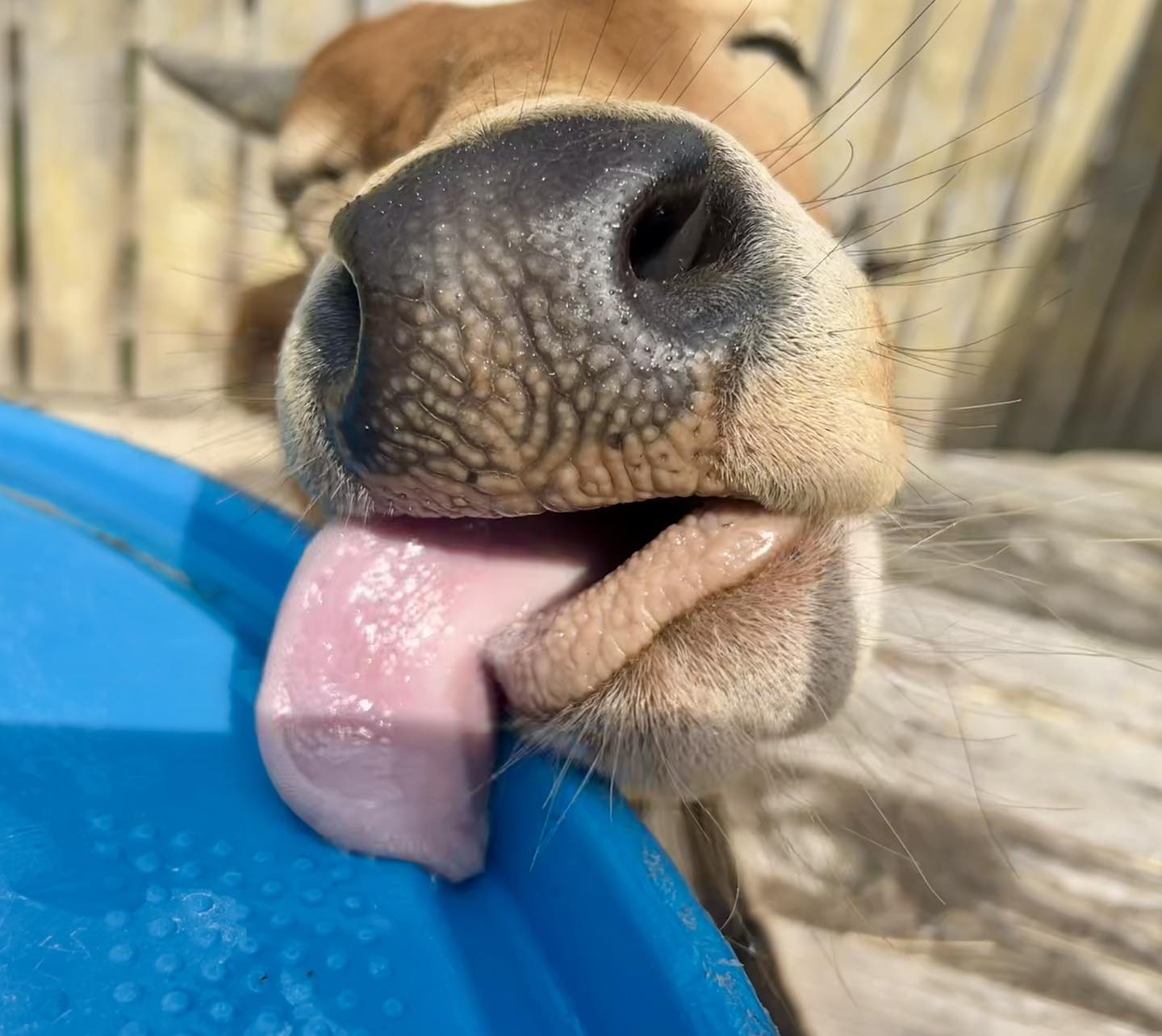
This message brought to you by a tired Drifter: the train is also tired and requires maintenance. It will be down for the next few days. Please enjoy Drifter and the other animals while the humans work on the Titus Express. Thank you.
