
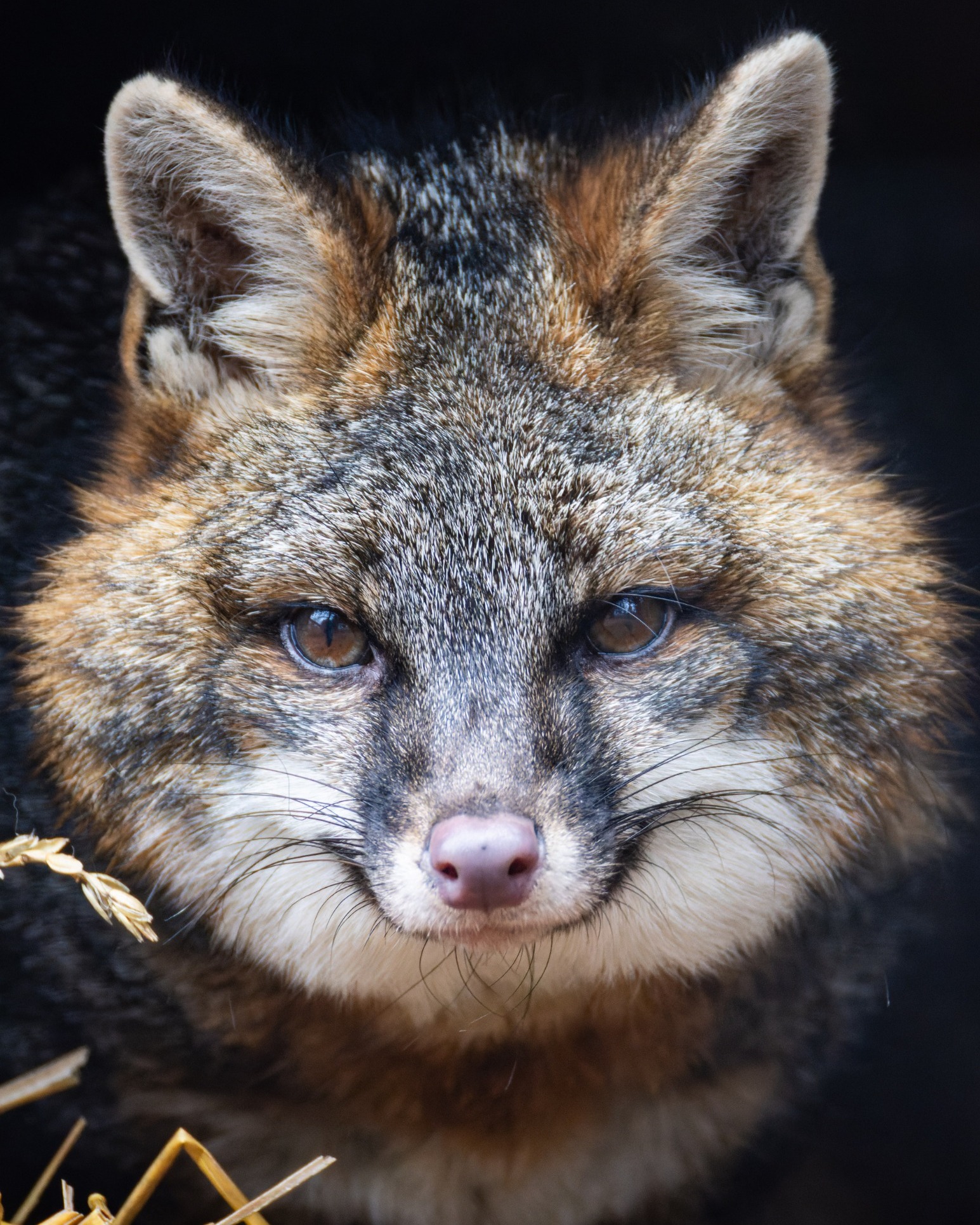
- The life and significance of Gadget the Gray Fox in modern zoological care
- The biological characteristics and natural history of gray foxes
- The role of zoos in wildlife conservation and education
- The impact of human interaction on wild gray fox populations
- Acknowledging the contributions of animal ambassadors to environmental stewardship
Gadget the Gray Fox was not just an animal but a symbol of the remarkable connection between humans and wildlife. This gentle creature, who lived a remarkable 15 years, surpassed the expected lifespan of his species by several years. Gray foxes in the wild typically survive for 6 to 10 years, making Gadget’s journey a testament to the dedicated care he received from the Beardsley Zoo and the love from countless visitors. His wise amber eyes and silver-streaked fur drew many who came to appreciate his quiet charm.
Gray foxes, scientifically known as Urocyon cinereoargenteus, are a fascinating species with unique biological traits that allow them to thrive in diverse environments. They are one of the few canids capable of climbing trees, which helps them escape predators and hunt for food more effectively. Their diet is omnivorous, primarily consisting of small mammals, fruits, and insects, allowing them to adapt to varying habitats. Adaptation is one of the key characteristics that have helped this species succeed across multiple ecosystems in North America.
The gray fox’s natural history reveals much about the interdependent relationships within their ecosystems. These foxes are skilled hunters and play a vital role in controlling rodent populations. Their presence contributes to a balanced environment, which is critical for maintaining biodiversity. Understanding this balance is essential for wildlife conservation efforts, particularly as urbanization continues to encroach on natural habitats.
Zoos play a pivotal role in wildlife conservation and education. As institutions committed to animal welfare, they serve not only to educate the public but also to provide a safe haven for species in decline. Through their conservation programs, many zoos contribute to ongoing research efforts and breeding initiatives aimed at preserving species like the gray fox. Gadget was more than just a resident of Beardsley Zoo; he was a powerful ambassador for his species. His presence in the zoo allowed visitors to obtain a close-up view of gray fox behaviors and characteristics, fostering a deeper understanding of wildlife and its preservation.
In addition to raising awareness, zoos also engage the public in hands-on learning experiences. Programs that encourage visitors to participate in animal care or discuss conservation strategies help build a community invested in the protection of wildlife. Education fosters stewardship and compassion and builds a bridge between humans and the natural world. Gadget’s legacy will live on through the countless hearts he touched and the curiosity he inspired.
However, human interaction can also have negative impacts on wild gray fox populations. Habitat loss, vehicle collisions, and urban sprawl directly threaten these animals. While gray foxes are adaptable, their ability to maintain healthy populations diminishes as their natural habitats disappear. The importance of preserving green spaces and wildlife corridors cannot be overstated. Initiatives aimed at protecting land and promoting coexistence with wildlife are essential for ensuring that future generations can appreciate species like Gadget.
The contributions of animal ambassadors like Gadget extend beyond the gates of the zoo. They serve as a reminder of the importance of biodiversity and the roles different species play within an ecosystem. Every individual animal has a story, and Gadget’s was woven into the fabric of Beardsley Zoo’s mission. Through educational outreach, zoos foster a sense of community among visitors and encourage actions that support wildlife conservation.
Animals can inspire people to advocate for the protection of the environment. When visitors engage with animals, they often reflect on their role as stewards of the earth. The empathy and connection fostered through encounters like those with Gadget can lead to positive changes in behavior, encouraging people to adopt sustainable practices, reduce waste, and support conservation initiatives.
The natural behaviors displayed by Gadget are vital for educating visitors about gray foxes. For instance, by observing how he explored his habitat, many learned about the fox’s natural instincts. Gray foxes are known for their stealth and cunning behavior, traits that help them forage and avoid danger. Witnessing these behaviors can transform abstract concepts of ecology into tangible experiences, enriching visitors’ understanding of animal welfare and conservation.
Researching and implementing conservation strategies is essential to ensure the survival of gray foxes in the wild. Organizations dedicated to wildlife management often provide resources and guidance to regional initiatives aimed at protecting these animals. Understanding the local ecology and implementing management plans can help mitigate threats while promoting coexistence with wildlife.
Scientific research plays a vital role in enhancing our knowledge of gray fox behavior, health, and habitat needs. Studies on their genetic diversity, population dynamics, and health assessments allow conservationists to develop targeted actions for population recovery and habitat restoration. The importance of protecting genetic variation cannot be underestimated, as it ensures the resilience of species facing environmental changes.
Zoos often collaborate with conservation organizations to enable more effective research programs. By pooling resources and expertise, they can better understand the challenges gray foxes face and develop strategies to mitigate them. Such collaborations integrate scientific knowledge with practical conservation methods that benefit both captive and wild populations.
Public outreach efforts are essential for engaging communities in conservation initiatives. Educational materials, interactive exhibits, and workshops can deepen understanding and appreciation for gray foxes and other wildlife. By showcasing stories like Gadget’s, organizations can inspire future generations to value and protect natural wonders.
Gadget’s existence at the Beardsley Zoo served as a critical connection point for visitors of all ages. Children, in particular, benefit from engaging with animals like him, fostering early interest in wildlife conservation. Programs designed for young audiences encourage curiosity and creativity—two essential components of future environmental advocates.
As we reflect on Gadget’s life, it becomes clear that he was more than just a beloved animal at Beardsley Zoo. His life serves as a reminder of the delicate balance between human activity and wildlife preservation. The gentle gray fox represented a connection to the natural world that sparked joy and inspired action. Every visitor who gazed into his amber eyes found a spark of wisdom that transcended species.
As the Beardsley Zoo family mourns the loss of Gadget, the lessons he taught will endure. His memory will continue to inspire efforts dedicated to wildlife conservation, encouraging community engagement and fostering a deeper appreciation for the interconnectedness of all life. In honor of Gadget, we are reminded of the importance of our commitment to preserving the natural world.
In his memory, let us continue the conversation about wildlife conservation, support initiatives aimed at protecting natural habitats, and remember the joy that animal ambassadors bring to our lives. Every heart left in Gadget’s name represents a collective commitment to safeguarding the environment. Let this communal effort carry forward the legacy of Gadget the Gray Fox, a beloved ambassador for his species who left an indelible mark on all who had the pleasure of knowing him.
*****
Source Description
🌿 In Loving Memory of Gadget the Gray Fox 🦊
Today we honor the extraordinary life of Gadget, our beloved Gray Fox and cherished member of the Beardsley Zoo family. With his wise amber eyes, silver-streaked fur, and timeless charm, Gadget touched the hearts of everyone who met him.
Gadget passed peacefully of natural causes at the remarkable age of 15, well beyond the typical lifespan for his species. In the wild, gray foxes live 6 to 10 years, and even in the most supportive care, few reach such a milestone. Gadget was truly exceptional, defied the odds, and aged with the same grace he showed in his younger years.
Guests were drawn to his quiet charm and thoughtful gaze, and those of us who cared for him will always remember the quiet comfort of his presence. He was a gentle ambassador for his species and a beloved member of our zoo family. We’ll miss him deeply, but we’re grateful for every moment shared.
💛If Gadget ever made you smile or sparked your curiosity, we’d love for you to leave a heart in the comments in his memory.
