
- The significance of wildlife conservation efforts in parks
- The educational benefits of a wildlife safari experience
- Insights into the management and operations of a wildlife park
- The role of these parks in animal rehabilitation and breeding programs
- How Wildlife Safari Parks contribute to research and public awareness
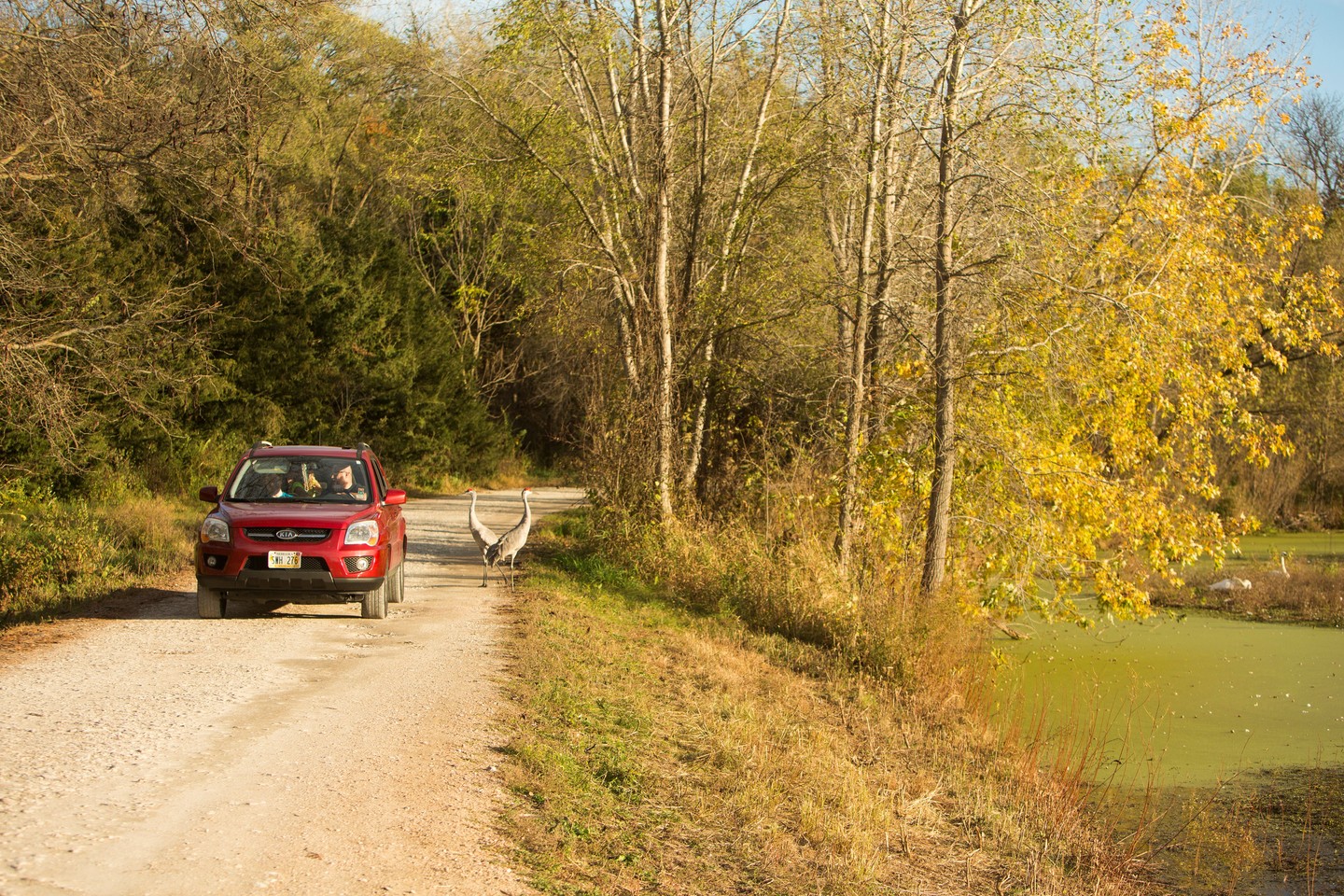
There’s something quite special about a morning drive around the Wildlife Safari Park. The experience integrates relaxation with education and a deep appreciation for wildlife. Morning drives are often the best times to observe the animals as they are most active. It’s a chance to encounter various species in their natural-like habitats while learning about their behaviors and the ongoing challenges they face.
Wildlife conservation is a critical issue on a global scale. Species are increasingly threatened by habitat loss, pollution, and climate change. Wildlife parks serve as sanctuaries where animals are protected from these dangers. They play a pivotal role in the conservation of threatened and endangered species. Through dedicated programs, wildlife parks work to maintain genetic diversity and provide habitats that mirror the animals’ natural environments as closely as possible. The presence of these parks helps cultivate public understanding and appreciation of wildlife conservation, making them invaluable for ecological stewardship.
The educational component of a visit to a Wildlife Safari Park cannot be underestimated. Parks like these often offer guided tours, informational signs, and interactive exhibits, all designed to inform visitors about the animals they observe and the ecosystems in which they live. The more a person learns about a species, the more likely they are to advocate for its conservation. For instance, understanding the role of apex predators in maintaining ecosystem balance can instill a sense of urgency to protect these creatures from extinction. Similarly, learning about herbivores and their interactions with flora can provide insights into broader environmental health.
Behind the scenes, the management of a Wildlife Safari Park involves skilled professionals devoted to animal welfare. Zoologists, veterinary staff, and wildlife biologists work collaboratively to implement sustainable practices. They conduct regular health checks, dietary assessments, and behavioral studies to ensure that each animal receives optimal care. Staff education and training are ongoing to keep pace with new research and methods in animal husbandry. This rigorous attention to detail contributes to not only the physical well-being of the animals but also their overall mental health, allowing them to thrive in settings that simulate their natural habitats.
Wildlife parks frequently participate in rehabilitation and breeding programs. These initiatives aim to preserve endangered species and educate the public about their plight. For instance, breeding programs may involve strategically pairing animals to maximize genetic diversity, reducing the risk of inbreeding. In some cases, animals bred in captivity are reintroduced into their natural habitats to bolster dwindling populations. These efforts require research and ongoing monitoring to assess outcomes effectively. Such initiatives demonstrate the park’s commitment to both individual animal welfare and broader species conservation.
Research is another critical element of the work done within Wildlife Safari Parks. These parks often partner with universities and conservation organizations to gather data on animal behavior, genetics, and health. This research enriches scientific literature, providing valuable insights that have broader applications in the field of wildlife management. Additionally, findings can inform policymakers about necessary legislative actions, creating a more supportive environment for conservation efforts.
Public awareness is paramount for effective wildlife conservation. Wildlife parks act as conduits for spreading information about ecological issues and the importance of preserving wildlife habitats. By engaging visitors, the parks inspire them to take action in their own communities, whether that involves reducing plastic use, supporting protection legislation, or advocating for sustainable practices. The emotional connection sparked during an encounter with wildlife can be a powerful motivator for change on personal and societal levels.
Morning drives provide a particular lens through which to observe wildlife. The tranquility of the early hours creates an optimal setting for animal activity. As animals start their day, visitors can witness behaviors such as foraging, socializing, or even a playful display. These actions allow for a deeper understanding of each species’ natural habits. Moreover, the serene environment enhances the overall experience of the drive, fostering mindfulness and gratitude for the natural world.
As visitors navigate the winding paths of a Wildlife Safari Park, they have the opportunity to see a variety of animal species. From majestic African elephants to elusive snow leopards, each encounter is a lesson in biology and ecology. The park’s design often allows animals to roam within large, habitat-specific enclosures, promoting naturalistic behavior. Educating the audience about each animal’s role in an ecosystem deepens the connection between people and wildlife, promoting empathy and respect for their plight.
But these parks also face challenges. They need to balance animal welfare with visitor engagement and education. Park staff continuously seek innovative ways to ensure animals thrive while providing memorable experiences for visitors. This delicate balance requires ongoing assessment and adaptability based on scientific research and animal behavior. Striking this equilibrium allows the park to maintain its mission of conservation while offering a fulfilling experience for guests.
The animal exhibits in a Wildlife Safari Park are often designed with detailed input from zoologists and conservationists. Enclosures are carefully crafted to mimic the animals’ natural habitats, utilizing vegetation, natural barriers, and water sources. This setup not only supports the animals’ physical health but also provides opportunities for normal social interactions. These environments allow visitors to see how animals engage with their surroundings and their peers, enriching the overall learning experience.
The role of zoos and wildlife parks extends beyond the immediate educational benefits they provide for visitors. They act as crucial hubs for conservation research and advocacy. By collaborating with other organizations and participating in global conservation efforts, wildlife parks contribute to the international dialogue on biodiversity preservation. This engagement amplifies the voices of less commonly known yet equally critical species, highlighting conservation needs across various ecosystems.
In recent years, the importance of local and indigenous knowledge in wildlife conservation has gained recognition. Wildlife parks that incorporate these perspectives foster a more holistic approach to conservation efforts. Collaborations with local communities can lead to sustainable use of natural resources and the protection of critical habitats. This connection bolsters the park’s mission by ensuring conservation measures are culturally relevant and supported by the local population.
Visitors may also find that Wildlife Parks are involved in various community outreach programs. Educational initiatives often extend to schools, where park representatives share information on wildlife, habitats, and conservation practices. Engaging young audiences plays a crucial role in fostering future stewards of the environment. Children are often inspired by their experiences in wildlife parks, creating a ripple effect of awareness through their families and communities.
In summary, a morning drive around the Wildlife Safari Park is more than an enjoyable outing; it is an opportunity to learn about wildlife and the conservation efforts necessary to protect them. Through dedicated management, a focus on rehabilitation, and outreach efforts, these parks address pressing ecological issues while providing memorable experiences for visitors. Engaging with nature contributes to a broader understanding of wildlife conservation and inspires individuals to advocate for the well-being of our planet. The ongoing efforts within wildlife parks not only conserve species but also enlighten the public on the critical role each person plays in protecting our natural world.
*****
Source Description
There’s nothing quite like a morning drive around the Wildlife Safari Park 🌄
Grab tickets for your next peaceful drive today at the link in our bio!
