
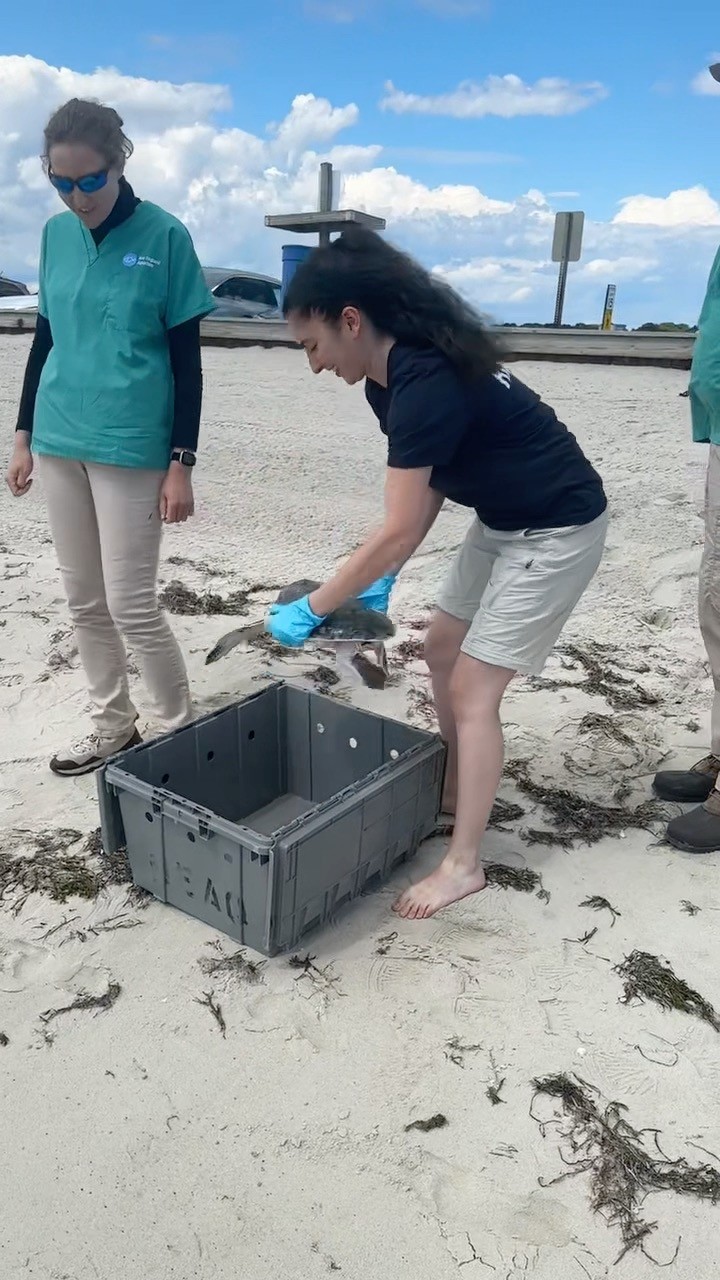
- The significance of cold-stun seasons for sea turtles
- Overview of Kemp’s ridley sea turtles and their conservation status
- The rehabilitation process and care provided to cold-stunned turtles
- The critical role of community involvement in sea turtle rescue
- Preparing for future cold-stun seasons and ongoing monitoring efforts
The annual cold-stun season plays a crucial role in the survival and conservation of sea turtles, particularly for juvenile individuals like Asteria, a Kemp’s ridley sea turtle that recently completed her rehabilitation journey. Cold-stunning occurs when hypothermic conditions immobilize turtles, making them susceptible to various dangers, including predation and stranding. Each year, numerous sea turtles are rescued during this period, highlighting the importance of wildlife rescue and rehabilitation efforts.
Kemp’s ridley sea turtles (Lepidochelys kempii) are one of the smallest and most endangered sea turtle species in the world. Their population has been significantly impacted by habitat loss, illegal poaching, and climate change. As such, every rescue and release holds critical significance for their future. The cold-stun season, which typically spans from late fall to early spring, exposes these turtles to temperature extremes that can lead to severe bouts of lethargy or even death. Asteria’s successful rehabilitation and release underscore the diligent work performed by rescue organizations and volunteers dedicated to protecting this species.
Once a cold-stunned turtle is successfully rescued, the rehabilitation process begins. The sea turtle rescue team closely monitors vital signs and water temperatures to ascertain the turtle’s health status. Medical assessments often include blood tests, assessments for pneumonia, and any injuries or infections that may need treatment. Throughout this process, rehabilitators provide appropriate care by creating a conducive environment for recovery. Turtles are often warmed gradually to restore their body temperature. During this period, proper feeding and hydration are also critical elements to ensure that the turtles regain their strength.
Community involvement is essential in the fight for sea turtles’ survival. Public awareness campaigns educate citizens about the importance of reporting cold-stunned turtles, which can expedite their rescue. Many organizations host volunteer training sessions, where individuals learn how to properly handle and care for injured turtles. The success seen in rescue efforts, including Asteria’s story, reflects the goodwill of communities and the partnerships formed with local organizations. As citizens engage in these conservation efforts, they cultivate a sense of stewardship that transcends generations.
After Asteria’s release, the Sea Turtle Rescue and Rehabilitation team shifts its focus towards future challenges. Preparation involves routine equipment checks, maintaining facilities, and monitoring environmental conditions. The habitats where sea turtles thrive are often influenced by temperature fluctuations due to climate change. This unpredictability necessitates continual vigilance and adaptability among rescue teams. They utilize data from water temperature monitoring systems, ensuring they are ready to respond promptly when cold-stun conditions arise.
In conclusion, Asteria’s journey from rescue to release symbolizes both the challenges and victories in the ongoing effort to conserve sea turtles. Her experience encapsulates the myriad of factors influencing sea turtle health and highlights the collective effort required from individuals, communities, and conservation groups. Updates on the monitoring of water temperatures will notify the public as the team prepares for the upcoming season, reinforcing that the commitment to wildlife preservation is a year-round endeavor that benefits not only the turtles but the entire marine ecosystem.
*****
Source Description
Farewell, Asteria! 👋🏽
Our final patient of the 2024–2025 cold-stun season, a juvenile Kemp’s ridley sea turtle, has been released back into the ocean!
Asteria’s release marks the close of another successful cold stun season. Our Sea Turtle Rescue and Rehabilitation team is now cleaning, organizing, and preparing for the next wave of patients expected later this year.
We will begin monitoring water temperatures closely in mid-October and will be ready to welcome the first patients of the new season. Stay tuned for updates!
