
- The Importance of Eating Slowly for Health
- Insights on the Black Rhino’s Diet and Eating Habits
- Behavioral Observations of the Black Rhino Boone
- Connection Between Rhinos and Their Conservation Status
- The Role of Zoos in Wildlife Education and Preservation
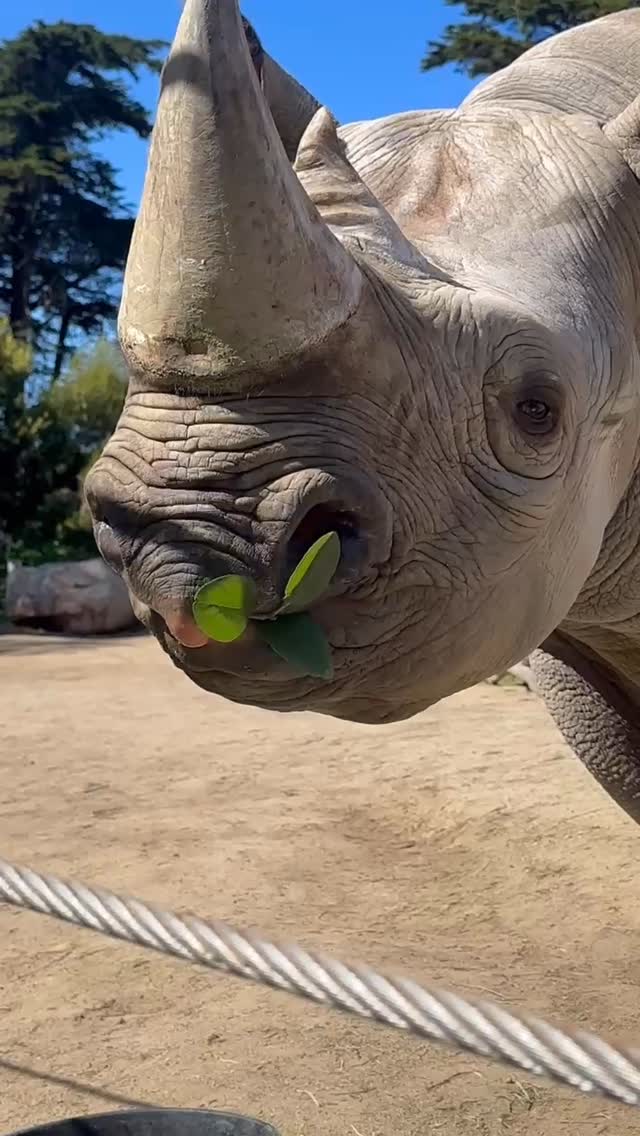
Eating slowly is a practice that not only benefits humans but can also be observed in the animal kingdom, particularly with species like the black rhino. This is a reminder from black rhino Boone to always chew slowly and savor your food, highlighting important lessons about mindful eating, health benefits, and the fascinating behaviors of this incredible species.
The Importance of Eating Slowly for Health
Slowing down while eating fosters various health benefits. It is widely documented that taking the time to enjoy meals can improve digestion and lead to better absorption of nutrients. When individuals eat slowly, they allow their bodies to signal fullness, which can prevent overeating. Research suggests that slower eating is associated with lower body weight and improved overall health. Moreover, focusing on the act of eating can enhance the sensory experience of flavors and aromas, adding to meal satisfaction.
This principle applies not only to humans but also can be extrapolated to various animal behaviors. Animals in the wild tend to eat at their own pace, often reflecting their natural instincts. For black rhinos, chewing slowly and thoroughly aids in digesting their primarily herbaceous diet, which consists of leaves, branches, and shrubs.
Insights on the Black Rhino’s Diet and Eating Habits
Black rhinos are browsers, primarily feeding on a variety of plant materials. Their diet mainly includes thorny bushes, leaves, and fruits from a range of indigenous plants. An important aspect of their feeding behavior is the presence of their specialized mouths and lips. Black rhinos possess long, pointed upper lips that allow them to grasp and manipulate vegetation effectively. This adaptation facilitates their ability to select specific types of foliage, which is essential in their natural habitat.
In the wild, black rhinos spend a significant portion of their day foraging. They are known to consume around 30 to 50 pounds of vegetation daily. Given the nature of their diet, they must take their time to chew thoroughly, which helps break down fibrous plant materials. This aspect reflects a broader theme in nature: animals are inherently attuned to their nutritional needs, optimizing their diets according to available food sources.
Behavioral Observations of the Black Rhino Boone
Captive rhinos, such as Boone, provide fascinating insights into the natural behaviors and needs of their wild counterparts. Observations in a zoo or conservation area reveal that animals can exhibit unique idiosyncrasies related to feeding. Boone’s behavior serves as an educational tool for zoo visitors, illustrating why it’s vital to take time when consuming food.
In a controlled environment, Boone’s rhythm of eating may vary compared to his wild siblings. Zoos often implement feeding enrichment strategies to encourage natural behaviors in captive animals. These may include hiding food in different areas or using feeding devices that require rhinos to work for their meals. Boone’s slow and careful eating habits become a visual demonstration of the ancient wisdom behind savoring food. This behavior can inspire humans to consider their eating practices and acknowledge the benefits of taking the time to enjoy what’s on their plates.
Connection Between Rhinos and Their Conservation Status
Rhinos, particularly the black rhino, face significant threats in the wild, primarily due to poaching and habitat destruction. The black rhino population has plummeted by over 90% in the last century, leading to their classification as critically endangered. This alarming decline has heightened the importance of raising awareness about these majestic creatures and their contribution to ecological balance.
The conservation status of the black rhino signifies the urgency needed in conservation efforts. By studying Boone and his behaviors, zoos contribute to broader education initiatives focused on wildlife preservation. Educating the public about the plight of the black rhino can foster a connection and empathy towards these animals. Visitors who appreciate Boone’s slow, deliberate eating are more likely to understand the significance of supporting conservation strategies aimed at protecting their habitats.
The Role of Zoos in Wildlife Education and Preservation
Zoos play a pivotal role in wildlife education and conservation efforts. They not only provide a sanctuary for endangered species but also raise awareness about the challenges these animals face in the wild. Through exhibit design and educational programming, zoos create opportunities for individuals to engage with animals like Boone.
By observing behaviors in controlled environments, visitors can gain insights into the lives of these creatures. Educational programs often focus on issues such as habitat preservation, responsible tourism, and biodiversity. Boone serves as a nutritional ambassador, exemplifying the importance of mindful eating and teaching visitors about the dietary needs of black rhinos.
Furthermore, zoos often collaborate with conservation organizations in grassroots campaigns aimed at habitat restoration and anti-poaching initiatives. These collective efforts are vital in supporting not just black rhinos but countless other species facing extinction.
In summary, Boone, the black rhino, reminds us to chew slowly and savor our food, promoting a lifestyle choice that enhances health, encourages mindful eating, and reflects natural instincts. Observing Boone’s behaviors invites reflection on how we manage our own consumption. The broader implications of understanding these fine details extend to the vital conservation efforts necessary to protect black rhinos and their habitats. As we advocate for wildlife preservation and responsible interaction with nature, the lessons from Boone resonate across species, reminding us that every bite is an opportunity to engage with and appreciate the wonders of our planet.
*****
Source Description
This is a reminder from black rhino Boone to always chew slowly and savor your food.
