
- The significance of Anna’s 13th birthday in wildlife conservation and education
- The role of zoos in promoting awareness and understanding of rhinoceros species
- Insights into rhinoceros biology and ecology
- The importance of habitat preservation for rhinoceros populations
- How celebrations like Anna’s birthday foster community engagement in wildlife protection
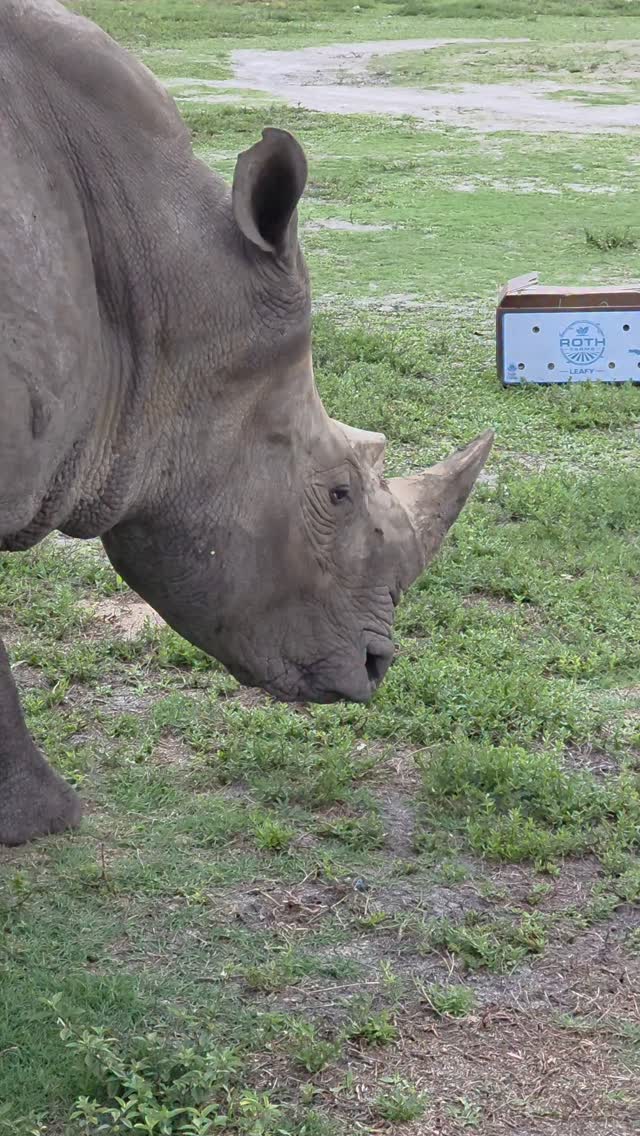
Anna, a rhinoceros celebrated her 13th birthday today. This occasion not only marks another year of life for her but serves as a vital milestone in the ongoing efforts of wildlife conservation. Celebrations in the wildlife management community often serve multiple purposes, including raising awareness and fostering community support for endangered species. Various festivities can provide essential funding for conservation projects, educational programs, and habitat restoration efforts.
Zoos play a pivotal role in wildlife conservation by connecting the public with animals and educating them about the importance of biodiversity. Visitors to zoos often gain insights into the lives of animals like Anna. These encounters can shift their perspectives on wildlife and the pressing issues surrounding it. Anna’s birthday celebration, with boxes filled with hay and grain, illustrates how zoos use acts of kindness to foster an emotional connection between visitors and animals.
Rhinoceroses, which include species such as the White and Black rhino, face severe threats in the wild, primarily due to habitat loss and poaching. As keystone species in their ecosystems, rhinos have a significant impact on the biodiversity in their habitats. Their grazing habits help maintain the structure of grasslands, which in turn supports a wide variety of flora and fauna. Raising awareness through events like Anna’s birthday helps highlight these ecological roles. By educating the public about these dynamics, we create stewards of the environment who advocate for the protection of animals like Anna.
Examining rhinoceros biology and ecology reveals the complexities surrounding their conservation. Adult rhinos can weigh over 2,200 pounds and consume up to 100 pounds of vegetation daily. Their distinct adaptations—including thick skin and large horns—help them survive in their natural habitats. Rhinoceros horns, made of keratin, are a major target for poachers. Misbeliefs about their medicinal properties have fueled a black market that compromises rhino populations worldwide. Understanding these biological traits allows for more targeted conservation efforts.
Habitat preservation is critical for maintaining healthy rhinoceros populations. The social structures of rhinos differ by species, ranging from solitary behavior in the Black rhino to semi-social arrangements in White rhinos. Protecting each species’ habitat not only conserves their physical space but also supports the entire ecosystem. Efforts to create wildlife corridors can enable rhinos to migrate freely, thereby reducing poaching risks and promoting genetic diversity. Celebrating milestones like Anna’s birthday raises funds and public interest in these habitat conservation projects.
Community engagement for wildlife protection can be significantly enhanced through events and celebrations. When individuals see animals being honored, such as Anna experiencing a day filled with special treats, they are more likely to develop an affinity for that species. Educational programs and activities linked to such events can foster a deeper understanding of the challenges endangered species face.
Rhinoceros conservation is not solely the responsibility of zoological institutions; it also requires global collaboration. Governments and non-profit organizations must work hand-in-hand to create effective policies that combat wildlife crime and stimulate community involvement. Concerted efforts, paired with increased public awareness through events like Anna’s birthday, can lead to significant advancements in rhinoceros conservation.
Understanding the historical context of rhinoceros conservation highlights the urgent need for continued advocacy. Poaching has tragically decreased some populations, pushing certain species close to extinction. Ample efforts are focused on anti-poaching initiatives and community-based conservation programs. These strategies provide locals with sustainable livelihoods and decrease their reliance on illegal activities.
In addition, technological advancements are aiding in rhinoceros conservation. The use of drones for monitoring wildlife and anti-poaching patrols has transformed how organizations protect these species. Satellite tracking provides invaluable data on rhino movements and can help in pinpointing threats. Innovations like these enhance traditional conservation methods, making efforts more efficient.
Anna’s birthday celebration is not just a fun occasion; it symbolizes a broader fight against extinction and a step toward promoting ecological literacy. Events focused on individual animals have the power to galvanize public support for systemic changes within conservation laws and practices. By showcasing stories like Anna’s, we can cement a narrative of hope and action.
Moreover, the psychological aspect of such celebrations plays a pivotal role in conservation. Engaging narratives about animals can provoke empathy, prompting people to care, take action, and participate in conservation efforts. These emotional connections are vital; they can convert what might be perceived as abstract issues into relatable causes that resonate with everyday individuals.
The implications of a single rhinoceros like Anna extend beyond immediate sentiments. She is a living reminder of the challenges wildlife face and the importance of biodiversity in maintaining ecological balance. As a species, rhinoceroses help control vegetation, which in turn supports other forms of wildlife. Conservation initiatives benefit not only the rhinos but also myriad other species within their ecosystems.
Zoos also provide a controlled environment for breeding programs aimed at increasing endangered populations. Scientific knowledge gathered from studying animals in captivity can be applied in the wild to enhance survival rates. Techniques such as artificial insemination and genetic management have shown promise in breeding rhinos. This scientific approach drives the fight against species extinction and hope for the future.
Anna’s milestone invites reflection on the broader narrative of rhinoceros protection. How we communicate the necessity for conservation can redefine societal attitudes towards wildlife. Collaborative platforms—spanning zoos, conservation organizations, and local communities—can leverage Anna’s story as a rallying point for the larger conservation movement.
Finally, as we celebrate Anna and her 13 years, it serves as a reminder of the work still necessary for her survival and the survival of her species. Awareness-raising campaigns, educational initiatives, and community involvement are essential. An inspired public can become a formidable force for change, advocating for strong policies and actions that protect those who cannot speak for themselves.
Decades of conservation efforts can trace their roots to individuals like Anna. This rhinoceros symbolizes resilience and the potential for regeneration within ecosystems. Events celebrating such animals not only capture the public’s hearts but also serve to ignite passion for a cause that affects all forms of life on this planet.
*****
Source Description
🦏❤️13 years of Anna.
Today, the whole crash enjoyed a celebration with boxes full of hay and grain in honor of Anna’s 13th birthday.
