
- Understanding the Role of the Queen in Animal Societies
- The Life Cycle and Development of a Queen
- Implications for Wildlife Conservation and Habitat Preservation
- Zoo Management Practices for Supporting Animal Populations
- The Broader Impact of Animal Societies on Ecosystem Health
The concept of a “flourishing queen” relates closely to various animal societies, especially in social insects like bees and ants. In these systems, the queen plays a pivotal role in maintaining colony health, reproductive success, and the overall stability of the ecosystem. Observing these dynamics offers insightful lessons about social structures, resource management, and ecological resilience.
Understanding the Role of the Queen in Animal Societies
The queen is often the central figure in communal animal societies, particularly in social insects. Queens are responsible for reproduction, ensuring the colony continues to thrive. Their primary function revolves around laying eggs, which subsequently hatch into various worker castes, including foragers and soldiers. In honeybee colonies, for instance, a single queen may lay up to 2,000 eggs daily during peak season. This prolific reproduction allows colonies to grow in size, which is critical for their survival and success.
However, the responsibilities of a queen extend well beyond reproduction. She releases pheromones that help regulate the behavior of worker bees. These chemical signals communicate vital information about the colony’s health, signaling when to raise new queens or even when to swarm. The pheromonal cues from a flourishing queen are essential for cohesion within the community. A balanced and healthy colony structure, led by a productive queen, ensures that all members work in unison, thereby contributing significantly to ecosystem functions, such as pollination and pest control.
The Life Cycle and Development of a Queen
The life cycle of a queen begins when a fertilized egg is laid into a specially designated cell. This cell is larger than those meant for regular worker bees and is referred to as a queen cell. The egg develops into a larva, which is fed a diet rich in royal jelly—a nutrient-dense secretion produced by worker bees. This unique diet triggers specific genetic changes that result in the development of reproductive organs and larger body size.
After going through the larval and pupal stages, the new queen emerges. Her mating occurs shortly after her emergence. In honeybees, this usually happens during a short mating flight where she copulates with multiple drone bees. Notably, she retains sperm in her body and utilizes it throughout her life to fertilize her eggs. This ability to control fertilization presents a fascinating evolutionary strategy. The decision of whether to produce fertilized eggs (which develop into female workers or new queens) or unfertilized eggs (which develop into male drones) allows a queen to manage her colony’s demographic needs effectively.
The transition from larva to queen also influences social dynamics within the colony. The emergence of a new queen affects the hierarchy of the worker caste. If there are existing queens, they may vie for dominance, leading to conflicts known as “queen battles.” When a colony becomes queenless or when the current queen’s pheromone levels decrease, worker bees may begin raising a new queen to restore order.
Implications for Wildlife Conservation and Habitat Preservation
The flourishing queen’s role has implications that extend beyond her immediate community. Social insects contribute significantly to ecosystem health and balance. In many regions, the decline of bee populations has garnered extensive attention due to their crucial role in pollinating crops and wild plants. When colonies thrive, thanks in large part to healthy queens, the resulting pollination enhances plant diversity and abundance, supporting entire ecosystems.
Conservationists and ecologists stress the importance of preserving habitats that support these keystone species. Loss of habitat, pesticide exposure, and climate change pose severe threats to the well-being of social insects. For instance, the use of neonicotinoids has been linked to reduced bee populations, as these chemicals affect foraging and memory capabilities in workers and may even impair reproduction in queens.
In this context, conservation efforts must prioritize the protection of habitats suitable for these insects. Preserving wildflower meadows, native vegetation, and minimizing pesticide use can help maintain healthy populations of social insects, encouraging biodiversity. By protecting habitats, we not only safeguard the flourishing queen and her colony but also contribute to broader ecological health and resilience.
Zoo Management Practices for Supporting Animal Populations
Zoological institutions play a crucial role in wildlife conservation, offering a controlled environment for research and species preservation. A flourishing queen can serve as a focal point for educating the public about ecology and conservation efforts. Many zoos develop breeding programs that emphasize the importance of social structure in animal populations.
For instance, the management of honeybee populations in zoos offers insights into the challenges these species face in the wild. The care for queen bees within a zoo setting involves meticulous monitoring of breeding cycles and health. Zoos often collaborate with entomologists and conservation organizations to develop breeding and reintroduction plans that aim to restore declining populations in their natural habitats.
Moreover, zoo exhibits can promote awareness about the ecological roles of social insects. Incorporating interactive displays regarding the life cycle and societal roles of queens can enhance public understanding and inspire community action for conservation efforts.
Zoos also serve as repositories for genetic diversity. Maintaining genetic variability among captive bee populations can help future reintroduction efforts. This genetic reservoir is especially critical as researchers work to restore populations decimated by environmental changes and habitat loss. The preservation of genetic material ensures population resilience, thereby supporting sustainability efforts.
The infrastructure of zoos must reflect the complex needs of social insects. For example, creating environments that mimic natural habitats contributes to the queens’ and colonies’ health and well-being. Proper temperature, humidity, and availability of natural resources are crucial for the survival of both queens and their workers. Each detail helps maintain a flourishing queen and her colony within the zoo setting.
The Broader Impact of Animal Societies on Ecosystem Health
Animal societies, particularly those led by queens, highlight the interdependence of species within ecosystems. The social structures created by these groups have far-reaching impacts on biodiversity and resource distribution. Understanding how a flourishing queen influences her colony can help elucidate relationships between various species and their environment.
In ecosystems where social insects are prevalent, their activities can significantly shape the landscape. For example, nest-building behavior can alter soil composition and structure, promoting diversity in neighboring plant communities. Additionally, when social insects forage, they help disperse seeds and facilitate plant reproduction, contributing to a richer plant ecosystem.
Research has shown that the presence of social insects can enhance soil quality through their waste products, which serve as nutrients for plants. Moreover, the decomposing remains of colonies can benefit the nutrient cycle within ecosystems. Hence, the role of a flourishing queen extends beyond her colony, impacting neighboring ecosystems and contributing to overall biodiversity.
As such, fostering awareness about the ecosystems influenced by animal societal structures becomes essential. Education and outreach efforts must illuminate connections between animal societies, including their queens, and human activities. Sustainable agricultural practices, habitat conservation, and community stewardship can all draw upon this understanding to foster healthier ecosystems.
Through these multiple lenses, it becomes evident that the study of a flourishing queen serves as a gateway to robust discussions about biodiversity, conservation, and the intricate relationships within ecosystems. Recognizing the significance of queen-led societies offers tools for effective conservation strategies and sustainable practices, directly aligning with global efforts to safeguard biodiversity for future generations.
Ultimately, understanding the intricacies of social structures and their broader impacts fosters a commitment to preserving the delicate balance of life that sustains ecosystems. As stewards of the environment, engaging with the principles behind a flourishing queen can catalyze action and inform solutions towards achieving sustainable practices that benefit all living organisms.
*****
Source Description
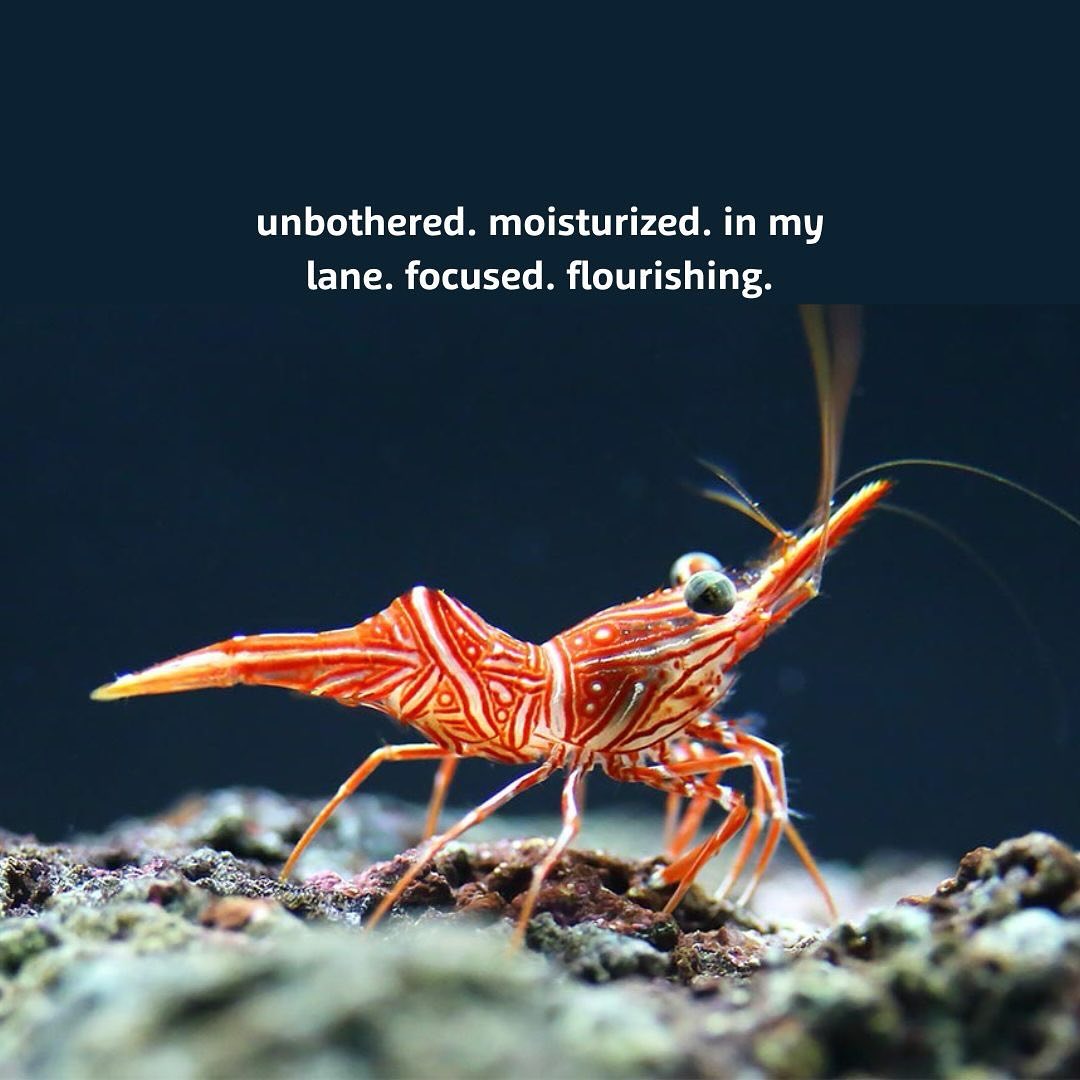
A flourishing queen. 👑
