
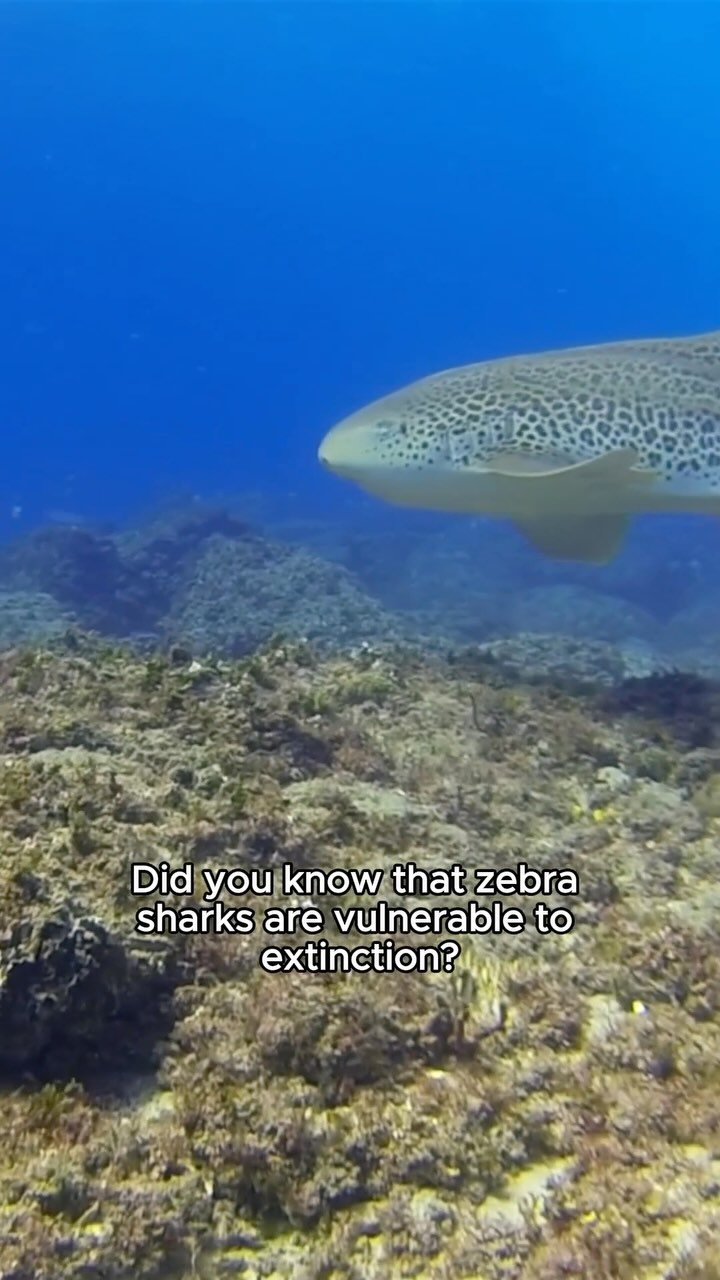
- Importance of Zebra Sharks in marine ecosystems
- Overview of the StAR breeding program
- Genetic testing for conservation
- The re-wilding process in Raja Ampat
- Future implications for shark populations
Zebra sharks, also known as Stegostoma fasciatum, play a vital role in marine ecosystems. These species are generally found in shallow waters of the Indo-Pacific region, and they contribute to the oceanic food web by maintaining the balance of smaller fish populations. However, the increasing threats from overfishing, habitat destruction, and climate change have led to significant population declines. Protecting species like the zebra shark is crucial for the health of marine environments.
The StAR (Shark and Ray Breeding) program represents a collaborative effort aimed at conserving zebra sharks. This initiative highlights the importance of breeding and husbandry practices established in accredited aquariums. The focus is on leveraging their success in breeding zebra sharks to facilitate rewilding efforts. Such programs aim to enhance the genetic diversity and population size of zebra sharks in their natural habitats.
Through genetic testing, researchers can identify and select adult zebra sharks from the Eastern Indonesian-Oceania subpopulation that are housed in accredited facilities around the globe, including prominent establishments in Sydney, Australia. This genetic mapping is vital for ensuring that the rewilded populations maintain a high level of genetic diversity, which contributes to their resilience against diseases and environmental changes.
The re-wilding process is predominantly focused on Raja Ampat, Indonesia. This region boasts some of the richest marine biodiversity on Earth, making it a crucial site for such conservation initiatives. By introducing young zebra sharks raised in captivity to these marine protected areas, scientists aim to enhance the local ecosystems. These sharks can help control the populations of prey species like crustaceans and small fishes, thereby contributing to the overall health of the marine environment.
The implications of these efforts extend beyond just zebra sharks; they serve as a model for the conservation of other vulnerable species. The successful rewilding of zebra sharks can lead to more extensive efforts in protecting marine biodiversity and habitats on a broader scale. Effective conservation strategies are essential indicators of ecological health, and the ongoing work to restore zebra shark populations represents a significant step in safeguarding marine ecosystems.
The need for robust conservation measures cannot be overstated. Zebra sharks are classified as “Near Threatened” on the IUCN Red List, which underscores the necessity of concerted efforts in their protection. The StAR breeding program stands as a beacon for similar initiatives aimed at diverse species, showcasing the role accredited aquariums can play in global conservation efforts.
By understanding the critical aspects of the StAR breeding initiative and the technological advancements in genetic testing, stakeholders and the general public can support initiatives that prioritize marine life conservation. The partnership between scientists, aquarists, and conservationists enables a comprehensive approach to environmental stewardship, with zebra sharks serving as a symbol of hope for many endangered marine species.
*****
Source Description
🦈 We’re safeguarding Zebra Sharks 🦈
Through the StAR breeding program, we’re re-wilding zebra sharks back into marine protected areas of Raja Ampat in Indonesia.
Experts conceived that leveraging the proven breeding success and husbandry expertise of accredited aquariums could be critical in the recovery of this species. Through genetic testing, adult sharks from the Eastern Indonesian-Oceania subpopulation have been identified at accredited facilities around the world, like ours in Sydney, Australia!
Learn more at 🔗 in bio
