
- Understanding the psychology behind accidental camera usage
- The role of technology in wildlife observation
- Implications for zoo management and animal behavior
- The importance of wildlife conservation in modern society
- How accidental actions can affect animal perception and visitor experience
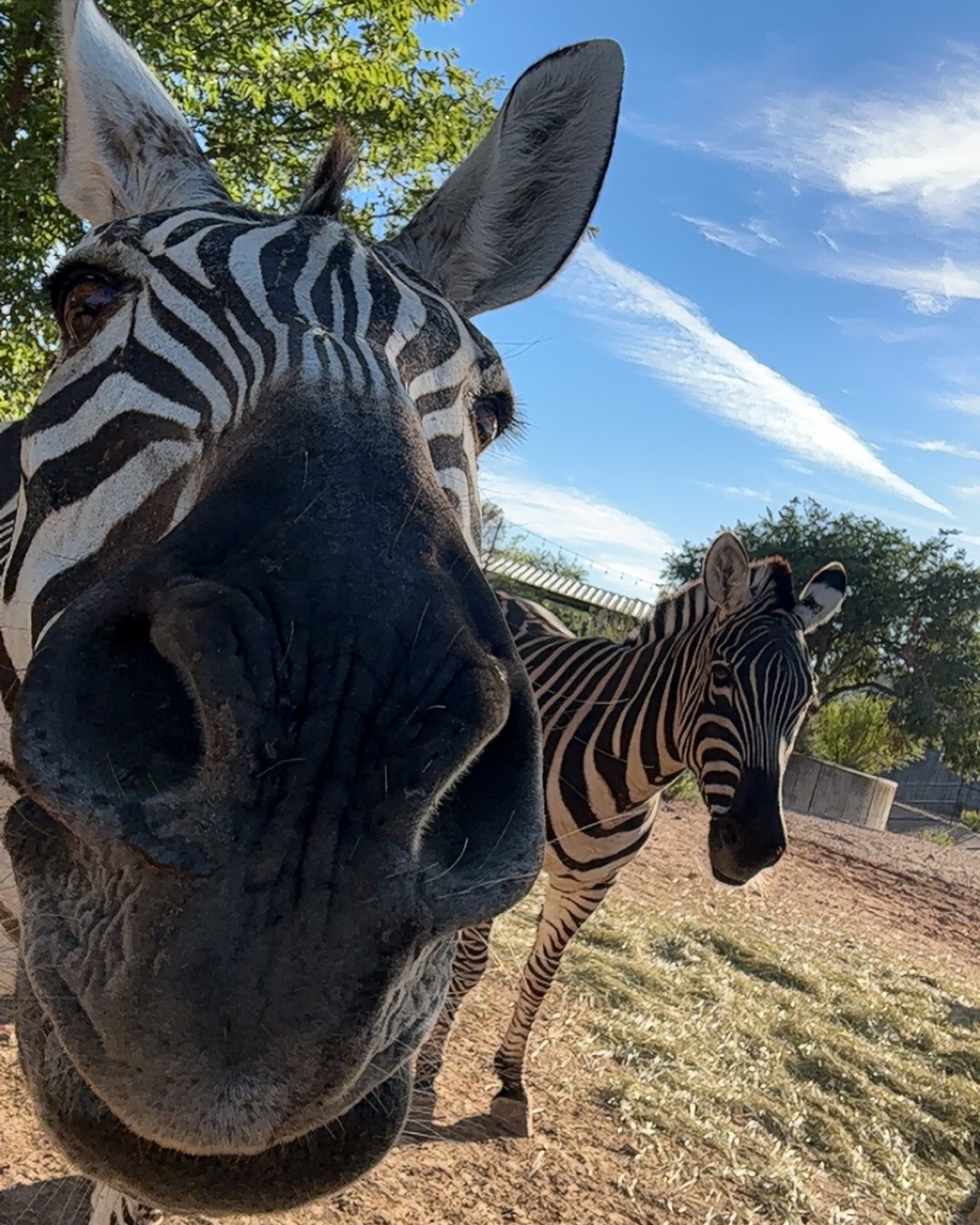
When you open the front camera by mistake, the experience can be surprising, funny, or even a bit embarrassing. However, this simple action can lead to interesting discussions, especially regarding animal behavior and human interaction in zoos and wildlife observation. Understanding these dynamics will provide deeper insights into how technology intersects with zoology, zoo management, and wildlife conservation.
Accidental camera usage often leads to unexpected moments. Many people find themselves snapping candid photos, unaware of the context captured. This phenomenon can relate closely to human psychology. When people are taken by surprise, their reactions vary. These moments can showcase authentic emotions, both in humans and animals. Recognizing genuine responses is crucial for enhancing communication between species.
The role of technology has intensified in wildlife observation. Many zoos use cameras for monitoring animal health and behaviors. These devices provide critical information on how animals interact with visitors, other animals, and their environments. Additionally, front and rear cameras on smartphones can capture spontaneous moments during field observations. These tools enable researchers to document behavior effortlessly. Observations made this way can yield valuable data regarding stress levels and social structures within animal communities. When humans inadvertently activate their cameras, they may capture unplanned interactions, leading to better understandings of species-specific behaviors.
Zoo management plays a fundamental role in how animals are presented to the public and how they experience their surroundings. Careful design of enclosures considers species behavior and visitor engagement. Accidental camera usage can influence both. If a visitor inadvertently captures a photo of an animal in an unusual position or behavior, it can lead to better conversations about animal welfare and conservation needs.
Animals can respond differently to technology, depending on their previous exposures. For instance, some species adapt well to the presence of cameras, while others may find them stressful. Understanding these differences is imperative for effective zoo management. Capturing unguarded moments via accidental camera activation can provide insights into what particularly stresses animals or what they seem to enjoy. Managing these animals in a way that minimizes stress and promotes natural behaviors is vital.
Wildlife conservation is another aspect that benefits from the discussion on technology’s influence. In an era where conservation money is crucial, accidental footage can serve as valuable archives of biodiversity. These camera images can highlight issues like habitat destruction or the impact of human encroachment on wildlife. Documenting wildlife behavior, even inadvertently, can spur important conversations about conservation efforts.
The societal implications of wildlife interaction continue to evolve. Zoos and wildlife reserves consistently advocate for conservation awareness. They aim to foster a connection between animals and people, inspiring visitors to support conservation efforts. Camera interactions, whether accidental or intentional, serve as a form of engagement. A striking image captured in a moment can lead to a lasting impression. Visitors may strike up discussions about animal welfare and conservation, emphasizing the role of personal experience in fostering ecological awareness.
Accidental camera usage connects humans and animals through shared experiences. It can trigger critical discussions about species protection, habitat preservation, and responsible wildlife tourism. Visitors are more likely to reflect on their connection to nature when they capture a moment with an animal. Encouraging these reflective moments can promote a culture of respect towards wildlife. It can serve as a reminder that we share our environment with numerous species deserving of consideration and care.
Camera images play an educational role, especially when displayed in zoos or online platforms. They can inform the public about unique behaviors exhibited by specific species. Creating educational campaigns around these images can better communicate important conservation messages. In addition, social media platforms utilize user-generated content to promote wildlife encounters and discussions about preservation.
In turn, unplanned occurrences of camera usage can impact the visitor experience. When spectators see their unexpected snapshots shared, they may feel a sense of ownership over their experience. This feeling can deepen a visitor’s emotional investment in conservation efforts and zoo initiatives. Providing an engaging environment where visitors can freely express their unexpected observations benefits both animals and guests.
The experience of taking photos inadvertently also raises ethical considerations. Wildlife observers must consider whether their presence, including the use of technology, imposes stress on animals. Striking a balance between education and ethical engagement becomes vital. Zoos and wildlife organizations often establish guidelines for interactions to minimize the risks posed to wildlife. Educating visitors about appropriate behavior when engaging with animals, even through technology, is essential for fostering responsible interaction.
Capturing high-quality images can provide educational resources that emphasize species characteristics and challenges. However, attention to the quality of these interactions is critical. Review processes can help zoo managers assess the impact of technology on animal wellbeing. Utilizing casual images may help inform strategies for improving animal welfare or altering habits disturbing to wildlife.
Wildlife conservation strategies increasingly encompass technology. From drones tracking animal movements in natural habitats to cameras providing invaluable footage, technology serves a multifaceted role. Accidental captures can provide insights into animal populations, such as their distribution and behavior patterns. These findings can significantly shape conservation initiatives and management practices.
As human curiosity intersects with wildlife, technological capabilities also grow. New advancements lead to innovations that improve the monitoring of endangered species. These technologies further empower conservation efforts focused on reducing human-animal conflict. Visitors inadvertently documenting unique behaviors contribute to a larger narrative about the impact of human activities on wildlife.
In light of these discussions, focusing on education remains crucial. Facilitating conversations that promote ethical wildlife interactions should be a priority. Zoos, aquariums, and wildlife reserves play a role in helping people understand the larger ecological context surrounding their experiences with animals. Platforms for sharing knowledge, including social media and community programs, encourage discussions about the importance of maintaining animal welfare.
The intersection of human behavior, technology, and wildlife creates dynamic opportunities for education and engagement. Visitors can leverage accidental photography to enhance their understanding and advocacy for conservation. Encouraging this engagement will emphasize the interconnectedness of all life forms and the responsibility humans bear towards nature.
In essence, understanding the implications of unintentionally opening a front camera when observing wildlife can facilitate conversations about broader conservation issues. When visitors find themselves capturing animal behavior, they contribute to an ongoing dialogue about animal experiences and human responsibilities. Each captured moment represents an opportunity to connect with the pressing environmental challenges we face today. The conventional boundaries separating human experiences and wildlife can blur, leading to a more profound understanding of the myriad relationships that bind us to the natural world.
*****
Source Description
When you open the front camera by mistake 🦓
