
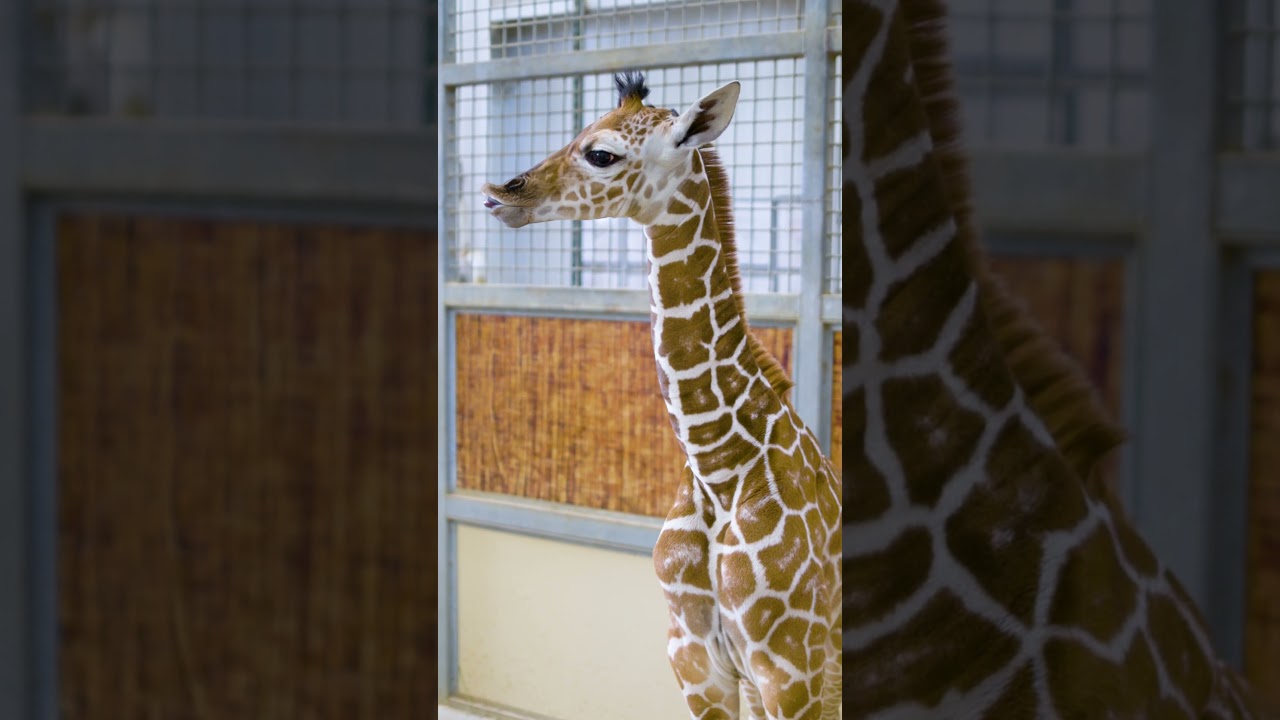
- Introduction to our newest long-legged little giraffe: biology and characteristics.
- The giraffe’s natural habitat and the challenges of conservation.
- The role of zoos in giraffe care and conservation.
- Importance of genetic diversity in giraffe populations.
- Impacts of educational outreach on conservation awareness.
Our newest long-legged little giraffe is an extraordinary addition to the animal kingdom, captivating the hearts of everyone who encounters it. This majestic creature exemplifies unique evolutionary traits and emphasizes the importance of conservation efforts. When observing the giraffe, one notices its astounding height, supported by its elongated neck and legs. This adaptation enables it to forage for food high up in trees, far out of reach of other herbivores. The giraffe’s coat, adorned with patterned patches, provides crucial camouflage within its habitat, helping it blend seamlessly with the acacia trees of sub-Saharan Africa. Each giraffe’s pattern is distinct, much like a human fingerprint, facilitating individual identification for researchers.
Giraffes are browsers, primarily feeding on leaves from trees such as acacias. Their tongues can reach lengths of up to 18 inches, allowing them to skillfully pluck leaves. Despite their size, giraffes have a surprisingly controlled and graceful gait, moving both legs on one side of their body simultaneously before shifting to the other side. This pacing is characteristic of their unique biomechanics.
Yet, habitat loss and fragmentation imperil giraffe populations in the wild. Agricultural expansion and urban development reduce the availability of their natural habitat. The preservation of these lands is vital for the survival of our newest long-legged little giraffe and its kin. Additionally, climate change poses a significant threat by altering the availability of food and water resources.
Zoos play a pivotal role in the preservation and understanding of giraffes. With advanced veterinary care, modern zoos provide essential shelter and sustenance for these animals. They become partners in conservation through captive breeding programs, educating the public on the importance of wildlife preservation. The care of giraffes in captivity is multifaceted, focusing on habitat enrichment, physical health monitoring, and dietary management to mimic their natural diet as closely as possible.
Genetic diversity is crucial in maintaining healthy giraffe populations. Breeding programs in zoos aim to preserve this genetic variability, ensuring that inbreeding doesn’t jeopardize future generations. Zoos frequently exchange animals to maintain genetic diversity, acting as a genetic reservoir for endangered populations. Detailed genetic records are managed rigorously to aid these efforts.
Beyond the confines of zoos, educational outreach serves as a cornerstone in fostering conservation-minded communities. By engaging students, educators, and families, zoos generate awareness and inspire action to support conservation initiatives. Programs often include interactive experiences, like keeper talks and behind-the-scenes tours, which illuminate the challenges faced by giraffes in the wild and the measures needed to protect them.
Our newest long-legged little giraffe is not merely an exciting addition to the zoo community. It represents a significant opportunity for conservation success, scientific study, and community education. By embracing these efforts, we ensure that future generations can witness the majesty of these incredible creatures and understand their role in our world.
*****
Source Description
Born September 24 to mom Katie and dad Tebogo, this little guy came into the world at 156 pounds and already standing 5’8” tall. He was quick to his feet, standing within the hour, nursing shortly after, and even testing out a few speedy, but wobbly, laps around the barn. Our animal care team has been keeping a close watch on both mom and calf, and we’re happy to share they’re both doing well.
Stay tuned for updates on when you can spot this little guy exploring the Savanna!
➡ Subscribe: http://bit.ly/SubscribeDallasZooTube
Follow the Dallas Zoo:
Official Site: http://bit.ly/DallasZooOfficialSite
Facebook: http://bit.ly/DallasZooFacebook
Instagram: http://bit.ly/DallasZooInstagram
Twitter: https://twitter.com/dallaszoo
TikTok: https://www.tiktok.com/@dallaszooofficial
Engaging People & Saving Wildlife
