
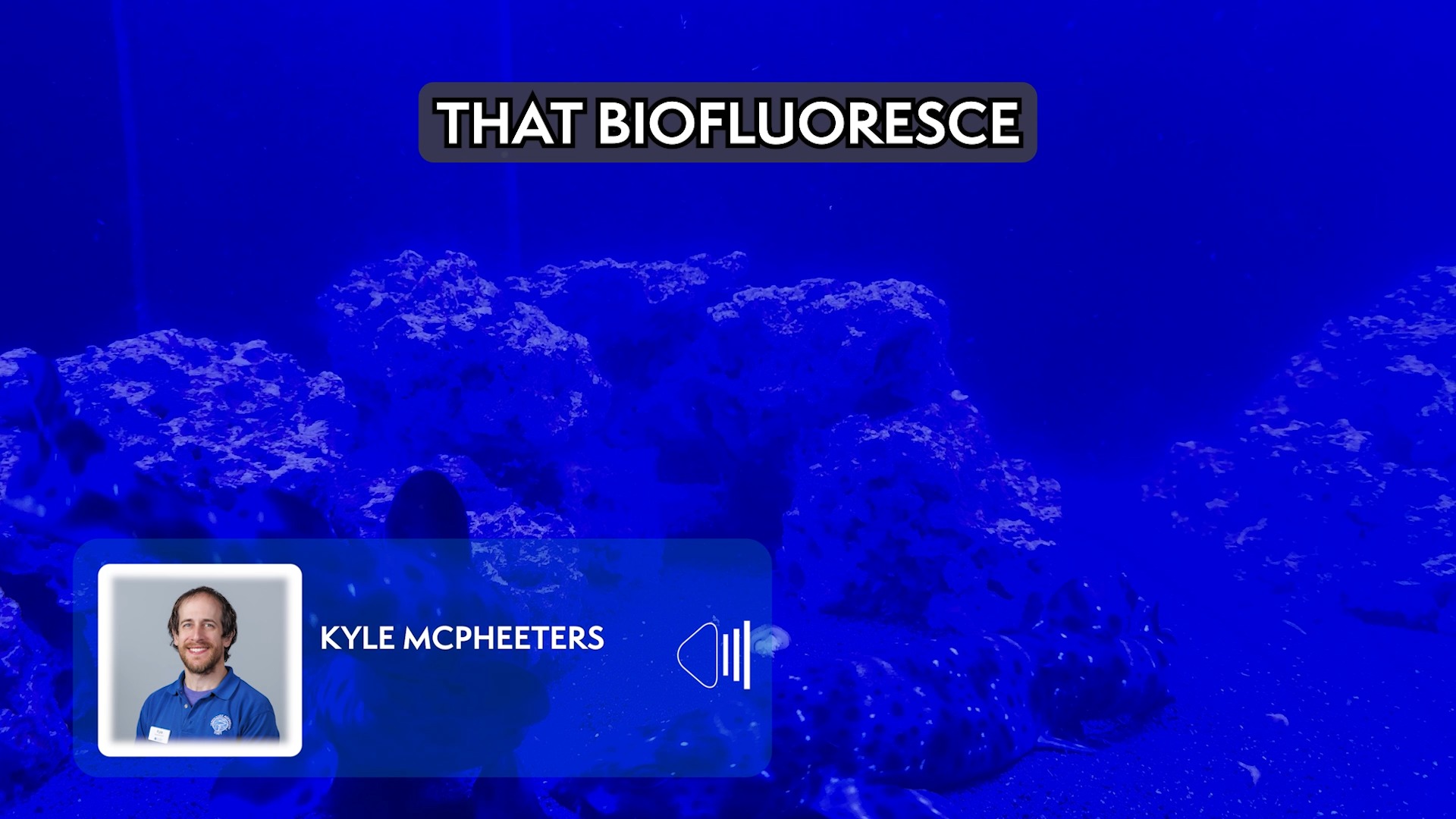
- Certain deep-water sharks and rays have developed specialized eyes for low-light conditions.
- These adaptations allow them to see each other in blue light while perceiving vivid green patterns.
- Scuttlebutt Reef’s glow sharks exhibit offers a unique perspective on these adaptations.
- The significance of eye adaptations in marine ecosystems is critical for understanding predator-prey dynamics.
- Conservation efforts are essential for protecting these species and their habitats.
Deep-water sharks and rays inhabit some of the most challenging environments on Earth. Living in depths often exceeding 1,000 meters (3,280 feet), these animals face the perpetual darkness of the ocean’s abyss. To thrive in such conditions, they have evolved remarkable adaptations, particularly regarding their vision. Many of these species have specially adapted eyes that allow them to see in dim, blue light, a feature that plays a crucial role in their survival.
The ocean absorbs sunlight rapidly, with red wavelengths disappearing first as depth increases, eventually leaving a light spectrum dominated by shades of blue. Deep-water sharks and rays have adapted to this environment by developing eyes that enhance their ability to perceive this predominantly blue light. Some species, such as the lanternshark, possess photoreceptors that are exceptionally sensitive to blue wavelengths. This adaptation allows them to locate prey, navigate their surroundings, and communicate with one another effectively.
A fascinating aspect of these adaptations is the ability to see intricate patterns on their bodies that appear to glow a vibrant green. This phenomenon occurs due to a combination of bioluminescence and the specialized structures within their eyes. The sensitivity to blue light enables these creatures to perceive slight variations in color and brightness, revealing patterns that would otherwise go unnoticed. This visual capability plays an essential role in their social interactions and mating behaviors, allowing them to identify potential mates and communicate with one another even in the darkest depths of the ocean.
Scuttlebutt Reef’s glow sharks exhibit immerses visitors in the underwater world of deep-water sharks and rays, providing a “shark’s eye view” of these fascinating adaptations. Through innovative display techniques, the exhibit simulates the visual experience of these creatures, allowing guests to understand how they perceive the world around them. This unique perspective can deepen appreciation for the complexities of marine ecosystems and the vital importance of these adaptations for survival.
Understanding the significance of eye adaptations in deep-water sharks and rays extends beyond mere curiosity; it is crucial for comprehending their roles within marine ecosystems. Sharks and rays are integral components of these environments, functioning as both predators and prey. They contribute to the balance of marine life, affecting species composition and abundance. By studying their adaptations, researchers can gain insights into how these creatures interact with their surroundings and adapt to changing conditions in their habitats due to environmental factors such as climate change and human activity.
Conservation efforts are essential for preserving deep-water sharks and rays and their habitats. Many species face significant threats from overfishing, habitat destruction, and climate change. Implementing effective management strategies requires a thorough understanding of their biology and behavior, including their specialized visual adaptations. Protecting their ecosystems ensures the survival of these extraordinary creatures while sustaining the biodiversity of the oceans.
The evolving challenges for these species call for continued research and public awareness. With advancements in technology, scientists can study deep-water ecosystems more effectively than ever before. Employing submersibles and remote-operated vehicles allows researchers to observe behaviors in situ and gather data that was previously inaccessible. The more we understand about deep-water sharks and rays, the better equipped we are to develop conservation strategies that protect these animals and their habitats.
To engage the public in conservation efforts, educational initiatives play a vital role. The glow sharks exhibit at Scuttlebutt Reef is one example of how to draw interest. By highlighting the extraordinary adaptations of these animals, visitors can develop a connection and sense of responsibility for their preservation. Educational programs focusing on marine science and conservation can cultivate future generations committed to protecting the oceans.
The visual aesthetics of deep-water sharks and rays extend beyond their adaptations. Their unique camouflage and coloration are also tied to survival. Many of these species possess dark skin that helps them blend in with the ocean floor, reducing visibility to both predators and prey. This natural cover combined with their keen eyesight enables them to stealthily approach potential meals or evade threats.
Moreover, the complex communication methods employed by these species are often overlooked. Their ability to perceive patterns in low light not only aids in mating and social interactions but also serves as a means to establish dominance within their groups. Understanding these social behaviors is essential for appreciating the biological and ecological complexities of these fascinating marine animals.
Many deep-water species exhibit remarkable reproductive strategies that further reflect the importance of eye adaptations. For instance, some sharks have been observed engaging in courtship displays that rely heavily on visual signals. The vivid colors and patterns visible to them can play a significant role in attracting mates. Recognizing the beauty of these adaptations emphasizes the intricate relationships between species, their behaviors, and their environments.
Unfortunately, the intriguing adaptations and connections among deep-water sharks and rays are under threat. Industrial fishing practices, particularly longlining and bottom trawling, have devastating effects on these populations. Bycatch constitutes a significant issue, where non-target species are accidentally caught and often discarded. Implementing sustainable fishing practices can help mitigate these impacts, allowing populations to recover while maintaining a balance in the ecosystem.
Furthermore, climate change poses an existential risk. As ocean temperatures rise and acidification increases, the habitats of deep-water sharks and rays are compromised. This stress affects their reproductive rates, development, and food availability. Advocating for comprehensive policies to combat climate change is crucial not only for these species but for all life in the oceans.
Public support is integral to advancing conservation initiatives. Engaging communities in conversation about marine conservation can lead to increased interest and funding for research and protective measures. By promoting awareness and understanding of deep-water ecosystems, we can cultivate shared responsibility for the future of our oceans.
Technological tools offer exciting opportunities for monitoring and conserving these species. Innovations such as tracking devices allow scientists to study movement patterns and identify vital habitats for conservation efforts. Real-time data collection provides valuable insights into behaviors and ecological interactions, enhancing our understanding of these animals and informing management strategies.
As we deepen our knowledge of deep-water sharks and rays, we also need to highlight collaborative efforts among scientists, conservationists, and policymakers. Establishing marine protected areas (MPAs) can safeguard critical habitats, ensuring that deep-water sharks and rays have safe locations to thrive. These efforts rely on well-researched guidelines that consider ecological dynamics and geographical factors.
Involving local communities is vital for successful conservation. Empowering those who rely on the ocean for their livelihoods fosters a sense of ownership and responsibility towards marine ecosystems. Education regarding sustainable practices can enhance community engagement and promote fisheries that coexist with healthy marine populations.
The ongoing exploration of deep-water habitats continues to reveal wonders. As we learn more about the unique visual capabilities and behaviors of deep-water sharks and rays, we must remain steadfast in our commitment to bolster initiatives aimed at their conservation. Every species plays a pivotal role in a well-functioning ecosystem, and safeguarding the remarkable adaptations of these incredible creatures is essential for the health of the oceans.
Restoration of understanding and protection of marine biodiversity is crucial. By emphasizing the adaptations of deep-water sharks and rays, we can promote greater appreciation for the intricacies of marine life. Through continued education, research, and advocacy, we can ensure the survival of these remarkable species and the ecosystems they inhabit.
*****
Source Description
Did you know some species of deep-water sharks and rays have specially adapted eyes that allow them to see each other in dim, blue light? With these super-powered peeprs, they can perceive patterns on each other that appear to glow a lurid green! 🦈👀
In our new Scuttlebutt Reef gallery, our glow sharks exhibit lets you get a “shark’s eye view” to experience how these amazing sharks and rays see each other!
