
Summary of Doubling Down on Mexican Wolf Conservation:
Fundación Tonkawa is actively working to mitigate human-wildlife conflicts in Chihuahua, Mexico, by involving local communities in the monitoring of reintroduced wolf populations. Their conservation efforts focus on fostering empathy for both wolves and ranchers, resulting in community-driven strategies that enhance local capacity and stability while supporting wild wolf populations. They build trust through transparency, share responsibilities with ranchers and authorities, and conduct workshops to educate and benefit both ranchers and the community.
- The importance of Mexican wolf conservation and its ecological significance.
- The role of Fundación Tonkawa in promoting community involvement in conservation.
- Human-wildlife conflict intervention strategies employed by the organization.
- Educational initiatives that foster coexistence between ranchers and wolves.
- Long-term goals for sustainable wolf population management in Chihuahua, Mexico.
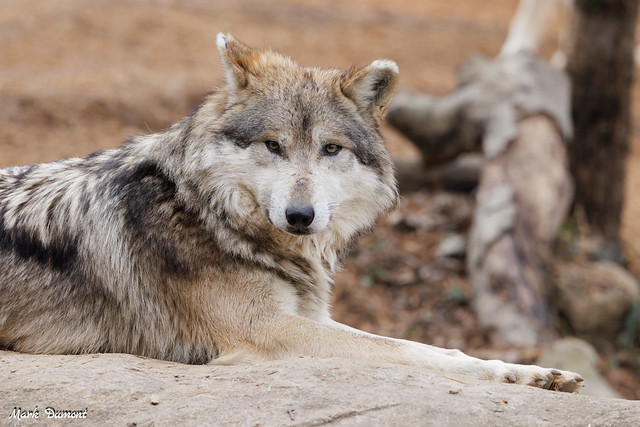
The Mexican wolf (Canis lupus baileyi) is a subspecies of the gray wolf and is classified as critically endangered. Historically, these wolves roamed across large portions of the southwestern United States and Mexico, but due to habitat loss, persecution, and a decline in prey species, their numbers dwindled significantly. Conservation efforts have become paramount, as maintaining biodiversity is essential for ecosystem health. The Mexican wolf plays a crucial role in its natural habitat, regulating prey populations and promoting a balanced ecosystem.
In recent years, the efforts to conserve Mexican wolves have taken on a new dimension, particularly through the initiatives led by Fundación Tonkawa. This organization operates in Chihuahua, Mexico, where they have adopted a community-centered approach to wolf conservation. Rather than viewing local ranchers as adversaries, Fundación Tonkawa acknowledges their critical role in the landscape and seeks to empower them through education and collaboration. This engagement ensures that conservation efforts are not only effective but also sustainable over the long term.
Human-wildlife conflict is one of the most significant barriers to the successful conservation of the Mexican wolf. Ranchers may view wolves as threats to their livestock, which can lead to antagonism and resistance against conservation measures. Fundación Tonkawa tackles this challenge head-on by implementing innovative conflict intervention strategies. By monitoring wolf populations and assessing their interactions with livestock, the organization develops targeted strategies to minimize conflicts. One approach includes non-lethal deterrents, such as sound devices and fladry, meant to keep wolves away from livestock.
In addition to conflict intervention, Fundación Tonkawa emphasizes community involvement in monitoring reintroduced wolf populations. Engaging local communities fosters a sense of ownership in conservation efforts. Ranchers and local residents are trained to participate in data collection and observation, becoming citizen scientists. This collaborative approach allows for a more nuanced understanding of wolf behavior and interactions with the environment. Moreover, it creates trust between the wolves and the local populace, transforming perceptions of wolves from threats into valuable components of the ecosystem.
Educational initiatives are another cornerstone of Fundación Tonkawa’s approach. The organization conducts workshops and presentations for ranchers focusing on livestock management practices that minimize predation risk. These sessions illuminate the importance of proactive measures, such as employing guard animals or modifying grazing strategies. By emphasizing practical solutions, Fundación Tonkawa encourages ranchers to coexist with wolves rather than view them as obstacles.
Investment in community benefits also plays a crucial role in fostering goodwill. By organizing activities that enhance the local economy—such as eco-tourism or workshops—Fundación Tonkawa demonstrates the tangible benefits of wolf conservation to ranchers and their families. Community members often become advocates for the wolves when they see the positive outcomes from coexisting with wildlife.
The overarching goal of these efforts is sustainable wolf population management. Fundación Tonkawa aims to stabilize and eventually increase the Mexican wolf population in the wild. The team is dedicated to not only protecting these vulnerable canids but also ensuring that local communities can thrive alongside them. This multi-faceted approach to conservation weaves together ecological health, community involvement, and the promise of shared landscapes.
Through transparency and consistent communication, Fundación Tonkawa builds trust with local communities. This is essential for the longevity of conservation initiatives. Open dialogue creates an inclusive environment where concerns can be voiced and addressed. The more involved ranchers feel in the process, the more likely they are to cooperate and support conservation efforts.
The Mexican wolf conservation project offers valuable lessons applicable to similar efforts worldwide. By focusing on collaboration, education, and community involvement, foundations and conservationists can create a framework that benefits wildlife and people alike. These strategies show that when conservation efforts incorporate local knowledge and practices, they become far more effective.
Another significant aspect is the importance of research and ongoing monitoring. Evaluating wolf behavior, hunting patterns, and prey dynamics contributes to the adaptive management of populations. Foundation projects often contribute valuable data to the broader field of wildlife management, helping to inform policies and guidelines regarding wolf conservation.
Successful conservation also hinges on establishing effective partnerships. Fundación Tonkawa collaborates with local authorities, environmental organizations, and academic institutions. These alliances provide resources, technical expertise, and logistical support, enhancing the overall impact of conservation strategies. Such collaboration creates a robust network aimed at preserving both wolf populations and the livelihoods of local communities.
With a growing awareness of the ecological role of wolves, public perception is gradually shifting. Educational outreach not only informs local communities but also extends to the general public. Sharing success stories about wolves helps to build a supportive narrative around conservation efforts. Public engagement through social media, events, and outreach programs can further amplify the significance of these initiatives.
In managing the complex relationship between humans and wildlife, empathy remains a crucial component. Fundación Tonkawa approaches the issue with respect for both ranchers’ livelihoods and the ecological needs of wolves. By advocating for responsible livestock practices while championing the conservation of an endangered species, the organization crafts strategies that promote stability for both parties.
The need for Mexican wolf conservation aligns with broader discussions on biodiversity and ecological responsibility. Ecosystems rich in various species—notably apex predators like the Mexican wolf—benefit from enhanced resilience, function, and productivity. Thus, investing in their conservation equates to a broader stewardship of the environment.
The combined efforts of Fundación Tonkawa yield a comprehensive model for conserving critically endangered species. Their work embodies the belief that successful conservation is not merely about protecting wildlife but also about enhancing the quality of life for human communities that coexist with these animals. By promoting capacity-building, education, and innovative partnerships, they pave the way toward a future where both wolves and people can thrive in Chihuahua, Mexico.
While Mexican wolf populations remain fragile, the proactive strategies being employed by Fundación Tonkawa inspire hope for their continued survival. By acknowledging the unique strengths and insights of local communities, the conservation landscape evolves into one where fear transforms into understanding and cooperation. As such, Mexican wolf conservation has become more than an environmental issue; it’s a community-centered effort that underscores the shared responsibility and mutual benefits of the coexistence between humans and wildlife.
