
- The significance of animal behavior and attachment in zoo settings.
- The role of animal enrichment in promoting well-being.
- The impact of animal interactions on visitor education and conservation awareness.
- The ethical considerations in animal care and management.
- The contributions of professionals like Darrell Lavin to wildlife conservation and education.
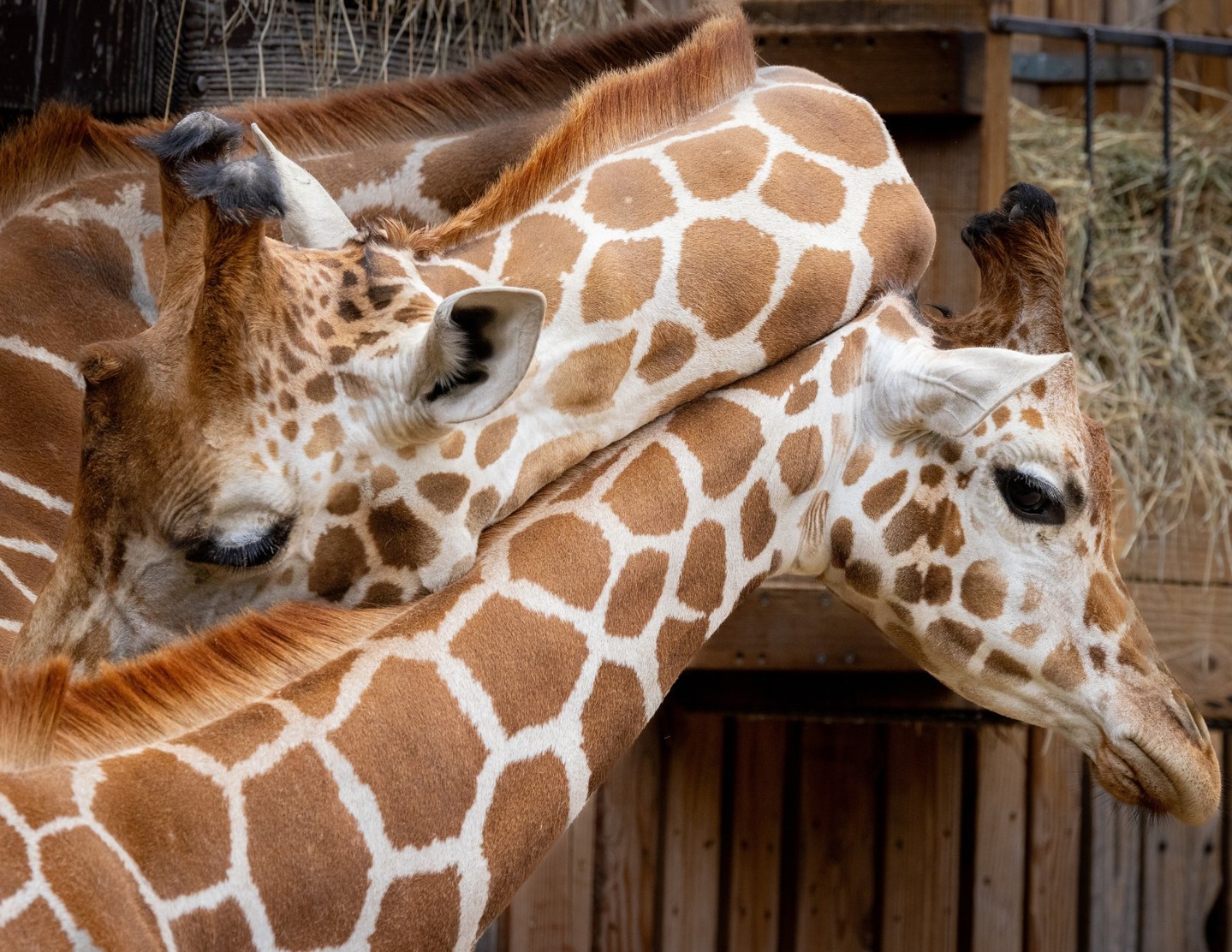
Animal behavior is a crucial aspect of zoology that deserves attention, particularly in the context of zoo environments. Observing how animals interact with one another and with their human caretakers provides insight into their well-being. A common behavior seen in several species is a form of physical contact, such as resting their head or body against another animal or human. This behavior can signal comfort and attachment. In some cases, animals will lean their heads or bodies against human caretakers, inviting contact that fosters a deeper emotional bond. Understanding these gestures can enhance the basic animal care approach and contribute to the creation of nurturing environments in zoos.
Animal enrichment activities are an essential part of zoo management. These interventions stimulate both the mental and physical aspects of an animal’s life. Various forms of enrichment may include toys, puzzles, or activities that mimic in-the-wild behavior. By promoting play and exploration, zoos encourage natural instincts, mitigating issues like boredom and stress. For instance, a large mammal such as an elephant may benefit from puzzle feeders that require them to work for their food. The result is often a stronger sense of well-being and an engaged animal, contributing positively to the zoo’s overall atmosphere and mission.
Interactions between animals and visitors are another significant element of zoo education. Zoos serve as educational platforms that promote awareness about wildlife conservation. Visitors who experience animals in a humane setting can develop empathy towards species they may not have encountered otherwise. When a visitor is allowed to observe or participate in an engagement activity—with respect to the animal’s comfort—there is potential for a lasting impact. This engagement leads to a more informed public that may take part in conservation efforts in their own lives. Individuals like Darrell Lavin work relentlessly to create educational opportunities that highlight the importance of biodiversity and environmental stewardship.
Ethics play a vital role in animal care and management, particularly as it pertains to the animals’ quality of life. Various guidelines need to be in place to ensure the welfare of animals in captivity. Professionals in zoo management conduct regular assessments of the living conditions and health of the animals. The discussions around ethical treatment ultimately revolve around maintaining habitats that closely resemble the animals’ natural environments. This consideration helps to alleviate some of the stresses associated with captivity, making it paramount for professionals in this field to approach their work with both compassion and informed practicality.
The work of individuals like Darrell Lavin is instrumental in wildlife conservation and education. Lavin’s contributions reflect the dedication and expertise that drive modern zoos toward more humane and effective behavioral management strategies. His insights on animal behavior, specifically physical interactions, emphasize the importance of nurturing relationships in a professional context. The passion of experts in the field not only aids in the day-to-day operation of zoos but also enhances the overall mission of wildlife conservation through effective education and community engagement efforts.
Understanding animal behavior and the significance of nurturing environments in zoos is crucial for enhancing animal welfare. The bond between animals and caretakers fosters emotional health and encourages enrichment strategies. When animals in captivity are provided opportunities to express natural behaviors, it can lead to improved well-being. This understanding opens up discussions on broader implications for wildlife conservation and visitor education. As such, responsible zoo management must continually evolve to reflect scientific advancements in animal behavior research.
Visitor interactions with animals play a pivotal role in raising awareness about endangered species and conservation issues. When individuals witness animals engaging in natural behaviors, such as resting their heads against a keeper, they may form a personal connection to the species. This interaction can be an effective tool for educating the public. Knowledge gained through these encounters can inspire action, leading individuals to support conservation initiatives that aim to protect wildlife and their habitats. The bond shared between humans and animals can serve as a catalyst for change.
The role of animal enrichment should not be underestimated. Activities designed to stimulate animals not only promote happiness but also enhance the educational experiences of visitors. For example, a zoo that incorporates naturalistic environments and interactive displays allows for a deeper understanding of the animals’ needs. Engaging with animals that demonstrate positive behaviors can lead to memorable experiences for visitors. This in turn elevates their awareness of the challenges facing wildlife in the wild.
The ethical considerations around animal management in zoos extend beyond simple standards of care. Concerns regarding the physical and psychological well-being of animals must take center stage. Professionals in the field have made great strides in developing policies that emphasize humane treatment. The focus should be on creating environments that support natural behavior while prioritizing the social needs of animals living in captivity. Conducting regular assessments of animal health and behavior is vital in identifying areas that may need improvement. Only by fostering these practices can zoos maintain their role as responsible advocates for conservation.
The educational component of zoos also deserves considerable attention. Institutions are becoming more aware of their potential to act as conduits of change within communities. They bridge knowledge gaps and promote conservation messages. By encouraging visitor engagement, zoos raise there awareness of pressing environmental issues while fostering connections with animals. Those like Darrell Lavin undertake critical initiatives aimed at increasing public understanding of the significance of wildlife conservation. Their work exemplifies the dedication required to tackle these challenges effectively.
To summarize, understanding the dimensions of animal behavior, enrichment, and ethical management is essential in the discussion around modern zoos. It requires a commitment to continuous learning and adaptation, both from animal care professionals and researchers alike. The insights gained regarding animal interactions can inform broader conservation efforts. The role of experts like Darrell Lavin highlights the potential of dedicated professionals to drive positive change. The more informed and engaged an audience can become, the better positioned they are to contribute to wildlife preservation and the protection of natural habitats.
Zoos are no longer merely entertainment venues; they have evolved into educational hubs with a mission. As the lines between animal care, human interaction, and public advocacy continue to blur, it becomes even more essential for today’s zoos to implement ethically sound practices. The results can yield higher standards for animal welfare while inspiring visitors to participate in conserving wildlife. As society progresses and learns, the future of wildlife conservation remains intertwined with the scientific and emotional bonds established within zoo environments.
*****
Source Description
Put your head on my shoulder… or neck, that works too! 🎶💖😊
📸: Darrell Lavin
