
- The significance of Watermelon Wednesday as a seasonal event at the zoo
- Insights into the eating habits of featured animals: elephants, otters, grizzly bears, ring-tailed lemurs/duikers, and leopard tortoises
- The role of enrichment activities in animal care and welfare
- Conservation efforts linked to the animals featured during Watermelon Wednesday
- Educational opportunities for visitors to learn about animal behavior and care during special events
Watermelon Wednesday represents a seasonal highlight at the zoo, emerging as a beloved tradition that lets visitors witness their favorite animals engaging with a refreshing treat. This event culminates at the end of July, specifically on July 30. It is a fantastic opportunity for the public to observe how animals interact with food that is both enjoyable and beneficial to their health. Zoo staff prepare delectable watermelon slices, a favored summer snack for many animals, sharing precious moments with the audience while fostering a greater appreciation for wildlife.
The schedule for the day offers an opportunity to experience firsthand the eating habits of a variety of fascinating creatures. At 8:30 a.m., the elephants will receive their watermelon, providing insight into their feeding behavior. Following this, at 9:00 a.m., the otters take their turns. The day continues with the grizzly bears at 9:30 a.m., the ring-tailed lemurs and duikers at 10:00 a.m., and finally, the leopard tortoises at 11:00 a.m. Each animal presents a unique feeding style, revealing differences not only in species behavior but also in dietary needs.
Elephants are extraordinary animals known for their massive size and intelligence. They consume a high-fiber diet primarily consisting of leaves, bark, and grasses, but they also appreciate fruits as occasional treats. Watermelon is particularly beneficial because it hydrates them during warmer months. The consumption pattern showcases their trunk’s dexterity, a tool used to grab, peel, and dig into food. Observing elephants with watermelon can highlight their social behavior, as they often share food among their herd members, reflecting their communal living structures.
Next, the otters, renowned for their playful and curious behavior, will be seen at 9:00 a.m. These aquatic mammals have unique feeding habits, often using tools to crack open shellfish in their natural habitat. During Watermelon Wednesday, visitors can enjoy watching the otters dunk watermelon pieces in water, submerging and retrieving their snacks with enthusiasm. They have highly social structures, and their playful interactions can often serve as a reminder of the importance of social dynamics in animal behavior.
As the schedule progresses, at 9:30 a.m., visitors will witness grizzly bears indulging in watermelon. Grizzlies are omnivorous and their diet fluctuates seasonally; the summer months bring an abundance of fruits, which they consume in large quantities. Watermelon, rich in water content, aids grizzlies in hydration. Observing grizzly bears tackle watermelon not only provides entertainment but also underscores how important hydration is in their natural habitat, particularly during summer months when food becomes sparse.
At 10:00 a.m., the event shifts focus to the ring-tailed lemurs and duikers. While lemurs are primarily herbivores, their diets include fruits, making watermelon a fitting treat. They demonstrate strong social bonds, and visitors can observe social play that is crucial for their development. The duikers, small antelopes from Africa, also enjoy various fruits, although their feeding styles may be more solitary. The juxtaposition of these animals reveals the diversity in feeding behavior and social structures among species. Visitors gain insights into how these intricate interactions affect their care and habitat needs.
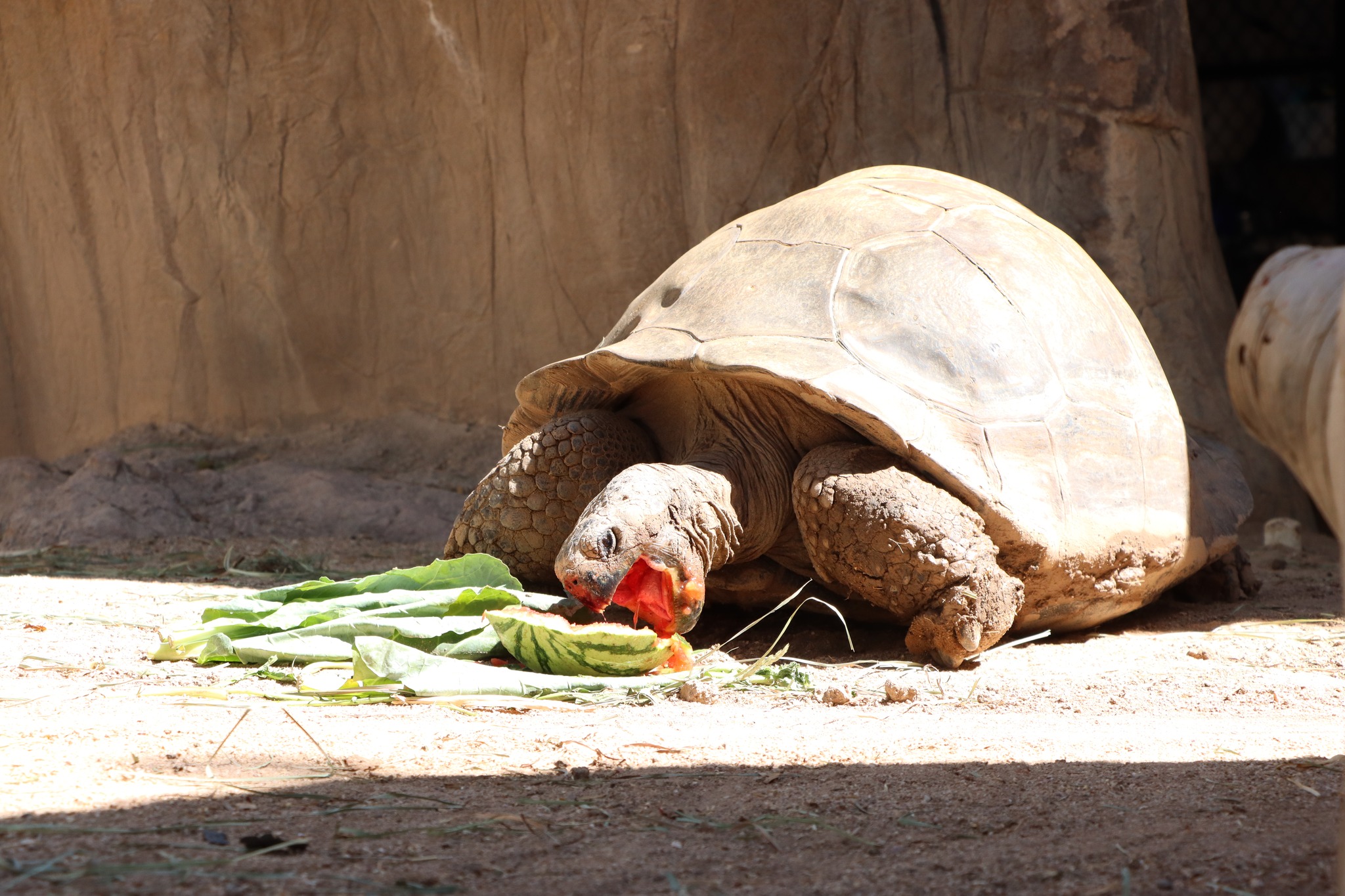
Finally, at 11:00 a.m., the leopard tortoises will enjoy their watermelon slices. These tortoises primarily consume grasses and leafy greens, but providing fruit can be beneficial when done in moderation. Watermelon, with its high water content, serves as an excellent summer treat, especially for these reptiles that may become dehydrated in intense heat. Observing their slow but deliberate approach to food illustrates patience and adaptation in a world where resources can vary.
Incorporating enrichment activities into animal care is a crucial aspect of effective zoo management. Watermelon Wednesday is not simply about feeding; it plays a significant role in promoting natural behaviors among the animals. Enrichment can take various forms, ranging from hidden food to different types of toys or puzzles. This level of engagement ensures that animals do not just exist passively within their habitats, but actively participate in behaviors that are integral to their well-being. Regular enrichment promotes mental stimulation, encourages exploration, and helps prevent behavioral issues resulting from boredom.
Watermelon Wednesday also encapsulates the zoo’s conservation message. Many of the featured animals are part of broader species preservation efforts, aimed at protecting their natural habitats. Elephants face significant threats from poaching and habitat loss, while grizzly bears are impacted by climate change and urban encroachment. Education events provide a unique platform to inform visitors about the species and the concerns they face, further inspiring action for wildlife conservation. Such initiatives may encourage visitors to take part in efforts to preserve endangered species globally.
Education is another cornerstone of the Watermelon Wednesday event. The zoo provides additional resources for visitors, such as talks, informational panels, and activities designed to deepen understanding about animal behaviors and their ecosystems. Engaging families in conversations about animal care can spark interest in wildlife and environmental stewardship. Children can learn about the connection between maintaining biodiversity and the daily choices they make, fostering a generation that prioritizes conservation.
Moreover, this event serves as an ideal opportunity to highlight research being conducted within the zoo itself. Zoos are increasingly becoming centers for conservation science, focusing on genetics, breeding, and animal care techniques. Research efforts can be spotlighted during Watermelon Wednesday, with staff available to discuss ongoing projects that help both zoo animals and wild populations.
Because Watermelon Wednesday is a seasonal event, its timely execution encourages visitors to attend before the end of summer. The experience enhances not only human-animal interaction but also emotional connections with wildlife. Such experiences can lead to lasting impressions, motivating individuals to become advocates for animals and their conservation.
Offering a sampling of animals engaging with watermelon allows for a dynamic learning experience while highlighting the importance of caring for species. Observing how animals interact with food goes beyond mere entertainment; it allows for a deeper understanding of their natural instincts and the challenges they face in captivity and the wild.
By participating in Watermelon Wednesday, zoo visitors actively engage with animal care practices that prioritize health and enrichment. This approach serves as a model for other zoos and aquariums aiming to promote species conservation and educate the public. As the final Watermelon Wednesday of the season approaches, the opportunity to learn about different animal habits and care practices is enriched, making it a fitting end to a summer full of enjoyment for both animals and visitors alike.
The significance of Watermelon Wednesday cannot be overstated. It offers a platform for education, conservation, and community engagement. The event promotes appreciation for animals while framing their needs within a larger ecological context, ultimately encouraging more sustainable practices among the public. Engaging in such events cultivates a sense of responsibility towards wildlife, fostering a generation committed to ecological well-being.
As future generations witness how animals enjoy summer through interactive experiences such as Watermelon Wednesday, the impact will extend beyond the zoo. These moments can inspire lifelong advocates for conservation and support the ongoing efforts necessary to protect wildlife. Ultimately, creating these connections between people and animals is vital for long-term conservation success. The last Watermelon Wednesday of the year invites all to embrace the importance of safeguarding culinary delights for all creatures, bringing together life, laughter, and learning under the sun.
*****
Source Description
Catch your favorite Zoo animals enjoying a slice of summer for the final time this summer on Wednesday, July 30, during the last Watermelon Wednesday of the year!
8:30 a.m. – Elephant
9:00 a.m. – Otter
9:30 a.m. – Grizzly
10:00 a.m. – Ring-tailed lemur/duiker
11:00 a.m. – Leopard tortoises
