
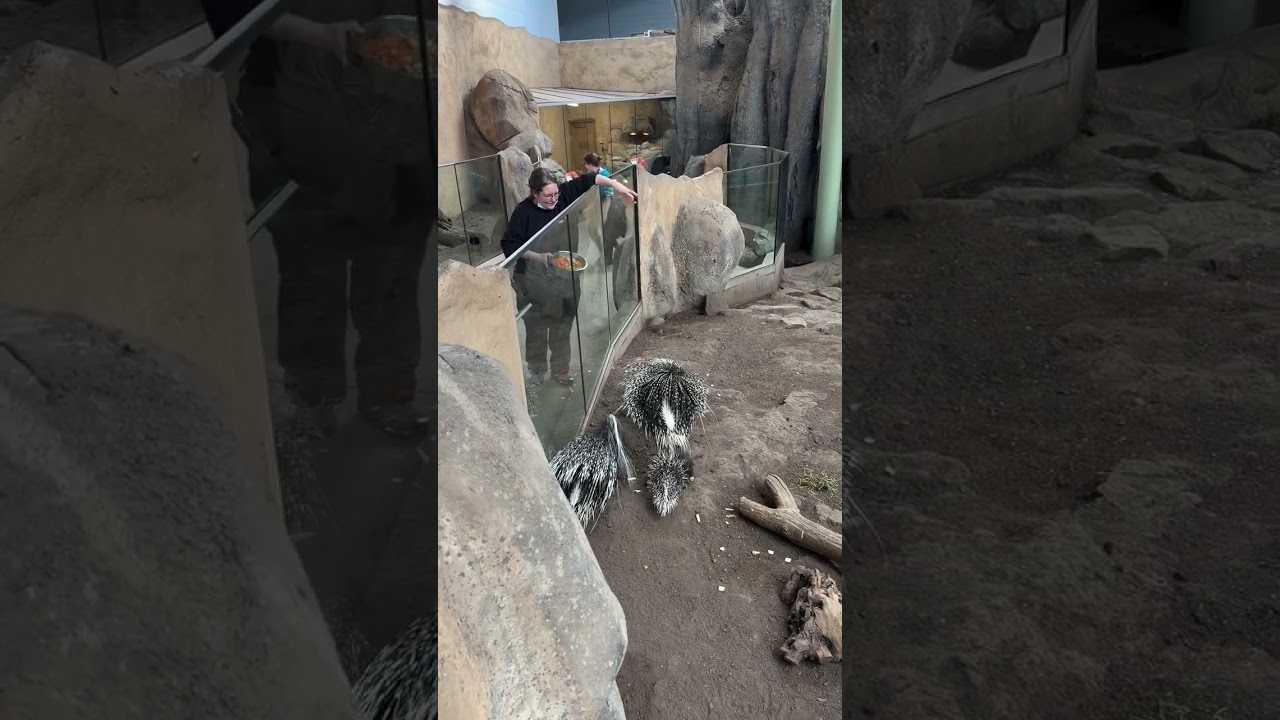
- Introduction to the African Crested Porcupette Rattle and its significance in zoology.
- Biological characteristics and behavior of the African Crested Porcupette.
- Impact of habitat and environmental factors on the porcupette’s behavior.
- Conservation efforts and challenges related to African Crested Porcupettes.
- The role of zoos in educational outreach and wildlife management for this species.
The African Crested Porcupette Rattle holds a fascinating place in the study of wildlife. This intriguing creature offers insights into a range of biological and ecological phenomena. Understanding its significance demands a closer look at its physical and behavioral traits, the environmental factors influencing its existence, and the ongoing conservation efforts crucial to its survival.
The African Crested Porcupette is a subspecies of the larger family of porcupines, known for its striking quills and unique rattling sound. These porcupettes are found across regions of Africa and exhibit intriguing behavioral patterns. Their quills, which serve as a potent defense mechanism, can grow up to 20 inches. Contrary to popular belief, these quills are not thrown or shot; instead, they detach easily upon contact with predators.
These rodents are nocturnal, known for their solitary behavior. Occasionally, they display social tendencies, particularly when it comes to mating. The mating process involves a complex and ritualistic dance that reflects their selective nature. This process often occurs once the porcupette reaches a year of age, signaling its maturity. The diverse habitats they occupy, from forests to grasslands, suggest a degree of adaptability and resilience.
Environmental factors impact their behavior significantly. The African Crested Porcupette is highly dependent on its habitat for food sources—primarily roots, bark, and fruits. Destruction of habitat due to human activity poses a significant threat to their survival, leading to scarcity of food and increased vulnerability to predators.
Wildlife conservation efforts play a pivotal role in safeguarding these creatures. Various organizations are actively working towards preserving their natural habitats and mitigating threats from human encroachment. Programs aimed at breeding moresustainable populations in captivity also contribute to their long-term survival. Conservationists emphasize habitat restoration and create awareness about the ecological value of porcupettes.
Zoos serve as important centers for education and conservation of species like the African Crested Porcupette. They provide the public with opportunities to learn about these animals, their behavior, and the challenges they face. Zoos also engage in breeding programs that contribute to genetic diversity, enhancing the resilience of captive populations.
Public engagement through educational initiatives raises awareness about the importance of biodiversity and the steps necessary to preserve it. Informative displays and interactive exhibits capture the attention of visitors, fostering a deeper understanding of the unique role each species plays in the ecosystem.
The African Crested Porcupette Rattle is more than just a subject of scientific inquiry; it reflects broader themes in the understanding of wildlife and conservation. By investigating its biological traits, the influence of environmental conditions, and conservation efforts, we gain valuable insights into the interconnectedness of ecosystems. This knowledge also underscores the critical role of education and outreach in ensuring the survival of such captivating and essential creatures.
*****
Source Description
Quill you listen to this video with sound? 🔊 We promise, it’s worth it!
During a recent scatter feed, we caught the incredible sound of a baby’s rattle – the rattle of our African crested porcupette’s quills! This species has hollow quills which can be shaken to make a rattle sound that deters predators. 🦔
Our porcupette hasn’t been sexed or named just yet, but you can stop by to see – and hear – this little one in the African Savannah Building.
#YourZooYYC
