
Summary of OKC ZOO ANNOUNCES PASSING OF FEMALE AMERICAN FLAMINGO, MERRY:
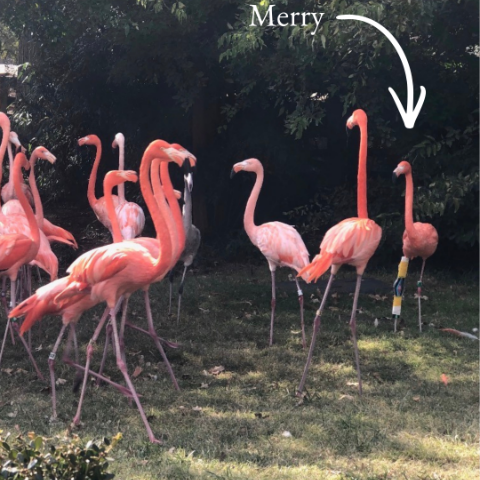
Merry, a 12-year-old female American flamingo at the Oklahoma City Zoo, died unexpectedly on March 16, 2026. Initially active during morning checks, caregivers later found her unresponsive. Merry had a unique story as she wore a leg brace for a torn ligament, which allowed her to engage in natural behaviors and even have offspring. A necropsy was performed, but no definitive cause of death was identified; further testing is ongoing. The zoo, which houses various flamingo species, emphasizes conservation efforts, particularly for Chilean flamingos. Merry was a cherished ambassador for her species, drawing interest and support from fans worldwide.
- The life story and significance of Merry, the American flamingo at OKC Zoo
- The orthopedic care and innovative treatment for Merry’s leg injury
- The broader ecological role and conservation efforts involving flamingos
- The necropsy findings and ongoing examinations after Merry’s sudden passing
- The importance of zoos in educating the public about wildlife conservation
Merry, a female American flamingo, played an important role at the Oklahoma City Zoo (OKC Zoo) since her hatching in June 2013. She became especially notable for her vibrant personality and the unique challenges she faced. Born in the zoo, Merry quickly became a beloved member of the flock, captivating visitors with her striking pink appearance and social behaviors. Her unexpected passing on March 16, 2026, raised many questions and sparked interest not only at the zoo but also among wildlife enthusiasts worldwide.
Merry’s journey was initially like that of any other flamingo, living among her fellow American flamingos in the Children’s Zoo. She thrived in a social environment, participating in natural behaviors such as foraging, nesting, and swimming. However, like many animals, she faced health challenges. In 2019, caregivers noticed that she was struggling to bear weight on her right leg. A comprehensive examination revealed a torn ligament, a condition that could significantly impact her quality of life. Recognizing the severity of the situation, the veterinary and animal care teams at OKC Zoo developed a response plan.
The treatment for Merry was innovative and relatively rare in animal care. Her team designed a specialized leg brace to provide the support she needed to recover and return to her normal activities. This custom orthopedic solution allowed Merry to engage in social interaction and foraging while alleviating her discomfort. The support offered by the brace was instrumental, allowing her to lead a fulfilling life despite her injury. For visitors, the visible brace sparked curiosity and inquiries, creating opportunities for zoo staff to educate the public about animal health and welfare.
Merry’s adaptability was remarkable. She continued to live life fully, socializing with her flock and engaging in behaviors that are typical for flamingos. She even became a mother, successfully raising chicks, which showcased her resilience and natural instincts. Holly Ray, the OKC Zoo’s Curator of Birds, expressed admiration for Merry’s journey, noting her role as an ambassador for the species. Merry’s story transcended her life at OKC Zoo; her global fan base celebrated her tenacity and the innovative care she received.
Her sudden passing stirred emotions within the zookeeping community and among her admirers. This incident highlights the unforeseen aspects of animal care and presents a poignant reminder of the fragility of life, even for animals in managed care. After her death, the veterinary team conducted a necropsy to understand the cause of her sudden decline. While the necropsy did not yield conclusive results, the ongoing testing may provide further insights into her health.
Flamingos, including the American species, are fascinating birds known for their distinctive pink feathers and social behavior. The American flamingo, often referred to as the Caribbean flamingo, is one of the largest species, standing tall at about 5 feet. Found primarily in the coastal regions spanning southern Florida to Texas, the Caribbean, and parts of Central and South America, these birds thrive in saline environments. Their vibrant coloration comes from a diet rich in carotenoids, primarily obtained from the algae and crustaceans they feed on.
Beyond their physical attributes, flamingos offer significant ecological functions. They play a role in maintaining the health of their habitats through their feeding habits, which can influence the composition of aquatic ecosystems. Their social behavior also serves as a fascinating area of study for ornithologists and wildlife enthusiasts alike, as they often work in flocks, displaying complex communication patterns.
Conservation initiatives involving flamingos are crucial to sustaining populations in the wild, particularly for the more vulnerable Chilean flamingo and the less common Andean flamingo. OKC Zoo participates actively in conservation efforts to help protect these species. Through programs like the Association of Zoos and Aquariums’ SAFE (Saving Animals from Extinction) initiative, the zoo contributes funding and resources aimed at preserving habitats and supporting on-the-ground conservation work. By participating in such collaborations, zoos leverage their expertise and resources to foster ecological health.
Public awareness and education play essential roles in conservation as well. Zoo visitors often leave with a better understanding of the challenges faced by flamingos and other species. They learn about habitat loss, human impact on ecosystems, and the significance of conservation efforts. Engaging stories like Merry’s create emotional connections, prompting visitors to advocate for wildlife protection and open discussions on environmental stewardship.
Amid Merry’s story, there is a deeper narrative regarding the role of zoos in modern society. They are not merely entertainment venues; they are educational platforms stressing the interconnectedness of humans and wildlife. Zoos have the responsibility to inform the public about species conservation, biodiversity, and responsible behaviors toward the environment. The impactful stories of individual animals, like Merry, humanize these issues and foster a sense of community among those who share an interest in conserving wildlife.
The case of Merry underscores the importance of veterinary care in zoos. The advanced knowledge and techniques used in animal medicine can lead to breakthroughs that not only enhance the lives of individual animals but also set standards for the larger community. Merry’s specialized brace not only addressed her needs but also serves as an example of collaborative, interdisciplinary work among veterinarians, animal care staff, and researchers.
As Merry’s legacy lives on, continued testing and examinations following her passing may yield important information for future research. The veterinary team is committed to uncovering any insights from her necropsy that could inform the care of other flamingos or similar species. This pursuit exemplifies a culture of continual learning and improvement, essential in the field of wildlife management and conservation.
Flamingos naturally evoke interest due to their beauty and social interactions. However, their existence is threatened by various environmental factors, including habitat destruction, pollution, and climate change. The proactive measures taken by institutions like the OKC Zoo contribute to the preservation of these majestic birds. Through educational programs, conservation partnerships, and hands-on animal care, zoos play vital roles in mitigating threats to wildlife.
The passing of Merry is a loss not only to those who cared for her personally but also to the greater community that rallied around her story. It highlights the commitment of zoos to provide high-quality care for animals, educate the public, and support conservation initiatives. A well-rounded approach to animal care, focusing on physical well-being, emotional health, and social interactions, strengthens the bond between humans and animals.
As we remember Merry, we celebrate the awareness she raised regarding the care and conservation of American flamingos. Her life exemplifies the intricate relationship between species, their habitats, and the efforts required to safeguard them. Merry’s story serves as a reminder of the responsibility we share in protecting the planet and its inhabitants, fostering a culture that prioritizes ecological balance and sustainable practices.
The significance of zoos extends beyond their walls. They serve as beacons of hope and knowledge, striving to inspire a future where wildlife and humans coexist harmoniously. As we reflect on the life of Merry, may her story inspire further commitment to conservation efforts, reminding us that every creature has a role in the tapestry of life and deserves protection and respect.
