
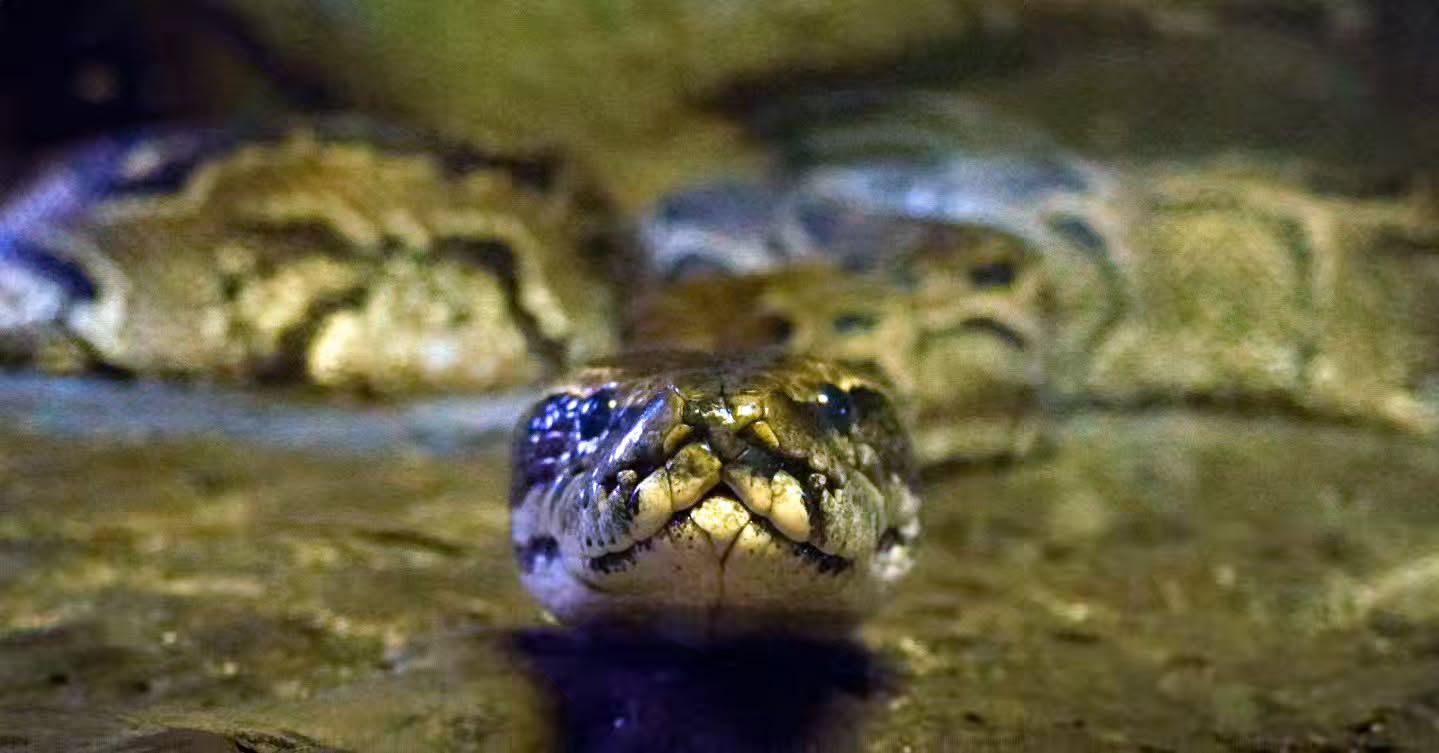
- The biology and behavior of the African Rock Python
- The habitat and geographical distribution
- Conservation status and threats to survival
- Role in the ecosystem and human interactions
- Captive management and educational significance in zoos
The African Rock Python (Python sebae) is one of the largest snake species in Africa, known for its impressive size and significant role in local ecosystems. A member of the Pythonidae family, it can grow up to 20 feet in length and may weigh over 200 pounds. The species is characterized by its striking coloration and pattern, which features brown, gold, and black markings that help it blend into its environment. Understanding the biology and behavior of the African Rock Python is critical for both scientific research and public education.
African Rock Pythons are non-venomous constrictors. They possess a robust body that can be adapted to various habitats. These snakes are primarily nocturnal, often relying on their keen sense of smell to navigate through their environment. They utilize both ambush and active hunting strategies to capture prey, which typically includes small to medium-sized mammals and birds. Their feeding mechanism is distinctly efficient; they grasp prey with their sharp teeth and wrap around it to apply pressure until it suffocates. This method of predation underscores their importance in maintaining population control of smaller species within their ecosystem.
Habitat and geographical distribution play significant roles in the survival of the African Rock Python. These snakes inhabit a wide array of environments, from savannas to wetlands, and are often found near bodies of water. The species can be located across various African regions, including sub-Saharan Africa, the southern Sahara, and the Congo Basin. Their versatile lifestyle allows them to thrive in diverse climatic conditions, but habitat destruction due to urbanization and agricultural expansion poses a considerable threat.
The conservation status of the African Rock Python requires urgent attention. According to the International Union for Conservation of Nature (IUCN), the species is classified as “Least Concern,” but this designation may be misleading. While they are currently widespread, localized threats such as habitat loss, poaching for the pet trade, and traditional medicine practices challenge their populations. Furthermore, environmental changes resulting from climate change and human encroachment may alter their habitats significantly. Conservation efforts must focus on protecting natural habitats and mitigating human-wildlife conflict.
The African Rock Python plays a crucial role in its ecosystem. As a top predator, it helps regulate the populations of its prey species, contributing to the overall health of its environment. Their presence can indicate a balanced ecosystem, as they require sufficient biodiversity to survive. Human interactions with these snakes can be complex; while some people regard them as threats due to their size, others see them as important biological controls. Misunderstandings often lead to fear, resulting in unnecessary killings. Education plays a pivotal role in changing perceptions and promoting coexistence.
In terms of zoo management and conservation education, the African Rock Python serves as an outstanding ambassador species. By exhibiting these majestic snakes in a controlled environment, zoos can foster awareness about wildlife conservation. Facilities like the Bronx Zoo contribute to this effort by providing enriched environments that replicate their natural habitats. Such settings not only enhance the well-being of the snakes but also allow visitors to learn about their biology and ecological significance.
Topics of habitat, conservation status, and role in ecosystems are essential for understanding the African Rock Python. Educational programs in zoological institutions can help demystify the species, emphasizing their ecological importance rather than perpetuating fear. Research into their behavior and biology contributes valuable insights that can inform conservation strategies, promoting more effective management practices.
Understanding the nuances of their biology provides invaluable insights into their ecology and behavior. Like many reptiles, African Rock Pythons exhibit ectothermic characteristics, relying on external sources to regulate their body temperature. This biological trait requires them to bask in the sun during the day to warm up and hunt effectively at night. Their skin also undergoes a shedding process known as ecdysis, which serves both biological and psychological functions, helping maintain health and signaling growth.
In their natural habitats, African Rock Pythons often exhibit a behavior known as “thermoregulation,” wherein they alternate between basking in sunlight and seeking shade. This behavior is not only vital for their biological functioning but also impacts their predation efficiency. Maintaining optimal body temperature enhances their muscular coordination, allowing for agile movements when pursuing prey.
The intricacies of the love life of the African Rock Python are equally fascinating. Mating typically occurs in the warmer months, with males engaging in “combat,” where they entwine and wrestle to assert dominance and attract females. Post-mating, females exhibit parental care by incubating their eggs, which can number up to 100 in a single clutch. The female wraps around the eggs, maintaining optimal temperatures through muscular contractions, a behavior that showcases remarkable maternal investment.
An insightful examination of conservation efforts reveals that various organizations are actively engaged in the preservation of Python sebae. Programs aimed at habitat restoration and protection are crucial, especially in areas facing the pressures of urban development and agricultural practices. Educational outreach initiatives help local communities understand the ecological role of these snakes. By fostering appreciation rather than fear, these programs aim to mitigate negative interactions between people and snakes.
Addressing the pet trade is another critical aspect of conservation. Due to their striking appearance, African Rock Pythons are often sought after in illegal wildlife markets. Efforts to regulate and monitor trade are essential, as overexploitation can lead to severe population declines. Strengthening legislation and enforcing wildlife protections are urgent measures needed to secure their future.
Moreover, collaboration between governmental bodies, local communities, and conservation organizations serves as a foundation for comprehensive conservation strategies. These partnerships can develop effective management plans that utilize local knowledge and expertise to tackle issues threatening Python sebae. Engaging local stakeholders ensures that community voices contribute to conservation efforts, fostering investment in the health of local ecosystems.
The African Rock Python’s presence within zoos significantly contributes to global conservation initiatives. By providing sanctuary and showcasing these snakes, zoos can conduct crucial research that informs wild populations and serves as a reference for best practices in care and management.
Educational programs focusing on the biology and ecological significance of African Rock Pythons help dispel myths surrounding them. Initiatives such as school group visits, interactive exhibits, and informational talks offer opportunities for community engagement. By facilitating these interactions, zoos fulfill an essential role in wildlife education.
Understanding the African Rock Python is vital not just from a zoological standpoint but also for ecological and conservation considerations. They contribute to ecological balance and exhibit behavior that can inspire awe and respect. The more knowledge gained about the species, the better equipped society becomes to ensure its future within the African wilderness.
Integration of lessons learned from Python sebae into broader conservation frameworks strengthens the message that protecting biodiversity is essential for the health of our planet. Beyond immediate efforts, long-term strategies supporting habitat preservation, species management, and community engagement come together to paint a comprehensive picture of effective conservation.
As research continues to unravel the biological and ecological intricacies of the African Rock Python, renewed efforts in conservation will be paramount in addressing the challenges they face. This snake species serves as a valuable indication of environmental well-being, making them not only ambassadors for their kind but also icons of the rich biodiversity that must be preserved for future generations.
*****
Source Description
African Rock Python (Python sebae) 📷 @ the @bronxzoo
