
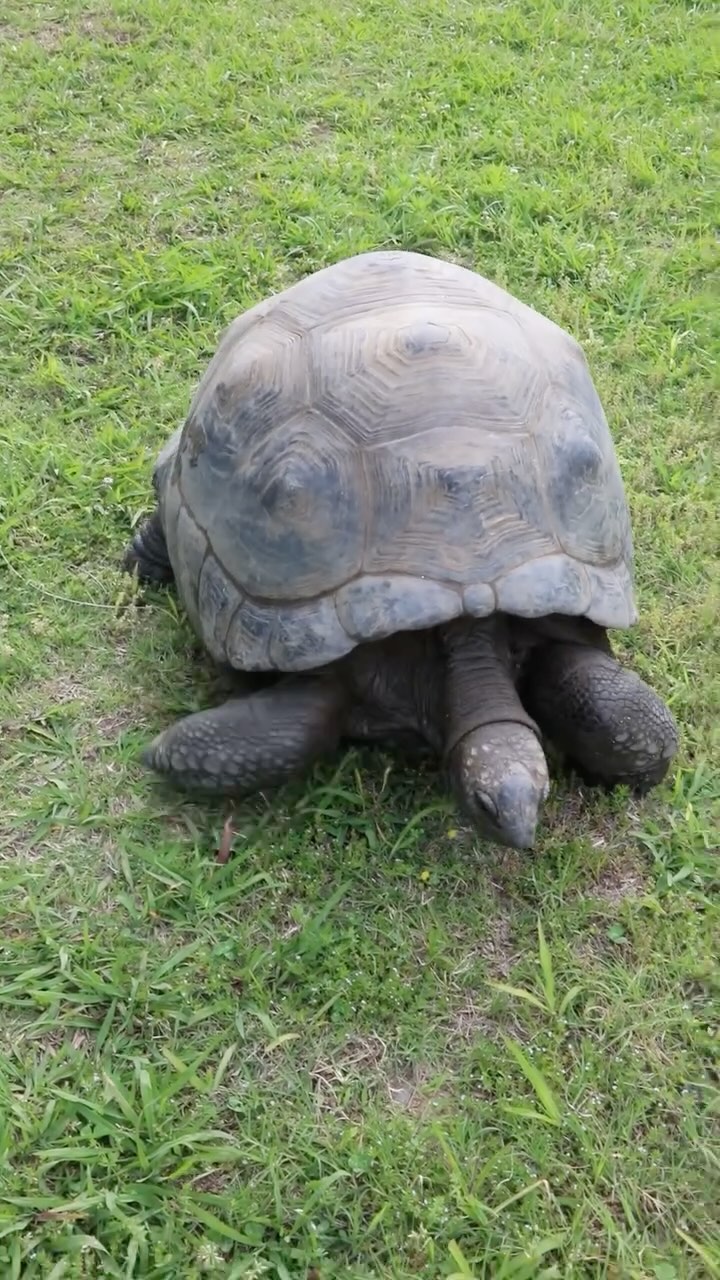
- Overview of Aldabra Tortoises and Their Habitats
- Seasonal Moves and Their Benefits
- Impact on Reproductive Health and Behavior
- Importance of Sunlight and Outdoor Time for Tortoises
- Conservation and Management Practices for Aldabra Tortoises
Aldabra tortoises are fascinating creatures known for their impressive size and longevity. These giants hail from the Aldabra Atoll, a coral island in the Indian Ocean. As one of the largest tortoise species, they can weigh over 550 pounds and live for over 100 years. Their unique adaptations to various environments make them a subject of intense study for zoologists and conservationists.
Annually, our female Aldabra tortoises—Tofi, Mud Princess, and Noname—transition from their natural habitat to a spacious grassy yard. This seasonal shift is crucial for their well-being. During summer, these tortoises leave Aldabra Atoll for a dedicated area designed to offer optimal conditions for their health and happiness. This move not only provides a serene break from the male tortoises but also allows them to bask in the sun, graze on nutritious grass, and enjoy peace and rest.
This summer sanctuary is not just a change of scenery; it’s a strategic move linked to various positive outcomes, particularly in terms of reproduction. Past observations have shown that this temporary environment encourages healthy reproductive behaviors, often resulting in viable clutches. The yard includes essential features such as a large shade tree, a loafing shed, and a mud wallow under a shade sail, providing both protection from the heat and opportunities for natural behaviors like wallowing.
Sunlight is vital for Aldabra tortoises’ health. It aids in synthesizing vitamin D, which is essential for calcium absorption, ensuring strong shell development. Regular exposure to natural sunlight is, therefore, a critical component of their care plan. Whether in their summer yard or the main exhibit, tortoises need access to sunlight when conditions permit. This practice replicates their natural environment, promoting their physical health.
Our management practices for these tortoises involve careful planning and observation to maximize their welfare and longevity. Two younger Aldabra tortoises, who typically reside in the Conservation Center during winter, join the females in the summer yard, experiencing the enriching outdoor environment. This setup provides opportunities to study the social dynamics among tortoises and observe how varied environments influence their behavior and development.
Conservation efforts for Aldabra tortoises extend beyond immediate care. Understanding their ecological role is crucial, as they contribute positively to their ecosystems by aiding in seed dispersal and modifying the vegetation structure through grazing. Protecting these tortoises involves a combination of habitat preservation, careful monitoring, and public education to raise awareness about their importance in biodiversity.
The seasonal practice of moving female Aldabra tortoises not only supports their physiological needs but also advances our knowledge of reptilian behavior and conservation strategies. Engaging in such detailed management helps ensure these magnificent creatures continue to thrive for generations. Supporting and expanding these initiatives is vital for safeguarding their future amidst changing environmental conditions.
*****
Source Description
Sun’s out, shells out! ☀️🐢 Our female Aldabra tortoises, Tofi, Mud Princess and Noname, recently made their annual summer move from Aldabra Atoll to a spacious grassy yard behind the scenes. This seasonal break from the males gives our female Aldabras time to soak up the sun, graze and enjoy some peaceful R&R. Two other juvenile Aldabras, who usually spend the winters in the Conservation Center, are now enjoying the yard this summer too!
This seasonal setup has also been linked to positive reproductive behaviors and viable clutches in years past. This roomy summer hangout features a large shade tree, a loafing shed and a mud wallow under a shade sail. Outdoor time and natural sunlight are important for Aldabra tortoises’ health, so whether they’re in their seasonal yard or main exhibit, our tortoises always have access to sunshine when conditions are just right.
