
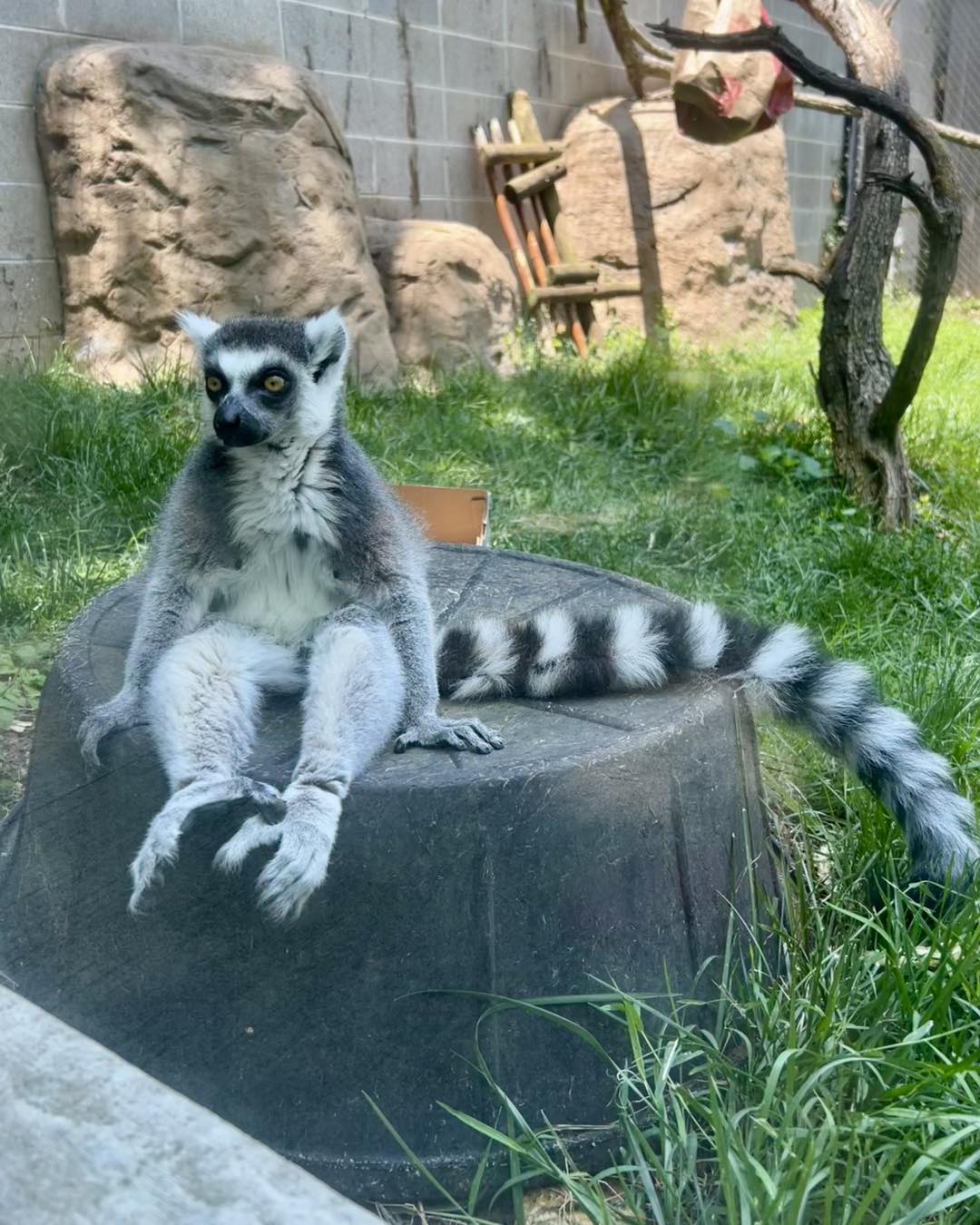
- The role of zoo animals in educational programs and their impact on human-animal connections.
- Behavioral observations of animals waiting for food and its implications for enrichment.
- The importance of wildlife conservation in maintaining biodiversity and ecological balance.
- Insights into animal care practices and their significance for animal well-being.
- The ethical considerations in keeping animals in captivity and conservation efforts.
Zoo animals serve as invaluable educational resources. Educational programs utilize the presence of these animals to raise awareness about wildlife conservation. Engaging with animals evokes emotional responses, creating connections that often translate into advocacy for wildlife protection. Visitors who observe gorillas lounging or lions prowling often leave with a deeper appreciation for these species and the ecosystems they inhabit.
The way animals interact with their food can speak volumes about their health and mental state. For instance, observing keeper Samantha as she prepares snacks for the animals offers insights into animal behavior. Animals waiting for snacks display anticipation, which can be used to assess their mental welfare. For many species, particularly in a zoo setting, food is not just sustenance; it represents a social interaction and a form of enrichment.
Measuring how animals behave while waiting for their meals can indicate whether they are thriving in their environments. Animals that exhibit a balanced mix of excitement and calmness while waiting for food are likely receiving proper enrichment. Conversely, excessive aggression or anxiety during feeding times may signal inadequate mental stimulation or stress. Zoo management teams must therefore plan enrichment activities carefully. Providing challenges for animals to obtain their food can mirror wild behaviors, promoting natural instincts and preventing boredom.
Wildlife conservation is another critical aspect of zoo management. Zoos are not merely a sanctuary for animals; they play a crucial role in conserving species that face extinction in the wild. Biodiversity is paramount to ecosystem functioning, and zoos contribute by breeding endangered species and participating in conservation programs. For example, the California condor was brought back from the brink of extinction through captive breeding programs that meticulously managed genetic diversity.
Conservation efforts extend beyond breeding programs. They often involve habitat restoration, public education, and public policy advocacy aimed at protecting ecosystems. Many zoos work closely with local communities to promote sustainable practices and provide educational resources, reinforcing the importance of biodiversity. Research conducted in zoos can provide vital data that support wider conservation initiatives.
Animal care practices are fundamental to maintaining the health and well-being of animals in captivity. These practices range from veterinary care to psychological support and enrichment activities that cater to the species’ needs. Keepers are trained in various techniques to support animal welfare, which includes understanding natural behaviors, dietary requirements, and social interactions. The role of keepers is multifaceted; they not only provide food but also create environments where animals can express natural behaviors.
One significant aspect of animal care is ensuring that animals have access to a varied diet that replicates their natural feeding patterns. Foraging is an intrinsic behavior in many species. Animals like primates exhibit complex behaviors when searching for food in the wild. Providing similar challenges in a zoo environment helps alleviate boredom and stress. Keepers like Samantha incorporate puzzle feeders or hidden food items to stimulate animals mentally and physically.
Ethical considerations in caring for animals in captivity remain at the forefront of modern zoo management. The debate centers on animal rights and the appropriate ways to house and maintain animals. Zoos must take an ethical stance on how they use animals for educational purposes and how they participate in conservation. Striking a balance between delivering educational content and ensuring animal welfare is essential. Any engagement with animals should prioritize their well-being and acknowledge the value of their lives beyond their educational roles.
The concept of waiting for snacks also resonates deeply in discussions about animal behavior and cognition. Animals have evolved various strategies for acquiring food. In many cases, animals exhibit complex social behaviors around feeding, including communication and cooperation. For example, certain species of dolphins coordinate their hunting efforts, showcasing advanced cognitive functions.
Observing such behaviors can significantly impact conservation as they highlight the intelligence and social structures of many species. Understanding how animals interact with one another and their environments can inform how they are cared for in captivity. Education about these behaviors can also enrich the visitor experience and encourage a deeper connection to wildlife.
In addition to food, water is a critical resource that requires careful management in zoos. Access to clean water is a basic necessity for all animals. Zoo management teams must ensure that water bodies in enclosures are not only functional but also mimic natural habitats. This is especially important for species like otters and various amphibians that thrive in aquatic environments. The quality of water affects animal health and is essential for the ecosystem within the enclosure.
Veterinary care is another vital aspect of zoo management. Routine health checks and vaccinations are important components of animal care. Keepers must be observant and know the behavioral indicators of potential health issues. For example, a change in appetite can often signal a medical concern. In sum, proper veterinary practices combined with attentive animal care contribute to a more holistic approach to animal welfare.
In addressing the need for conservation, zoos partake in various initiatives to promote sustainability within their communities. Many zoos participate in global conservation programs that target specific species and habitats. They also collaborate with organizations to influence policy decisions on wildlife protection. Community outreach programs often focus on educating the public about local wildlife and conservation efforts, fostering a culture of empathy and stewardship.
By teaching visitors about the ecosystems various animals inhabit, zoos contribute to a more informed public that can advocate for environmental policies and practices. Through workshops, tours, and volunteer programs, zoos can empower communities to take action in local conservation efforts.
The concept of contemplating the meaning of life juxtaposed with waiting for snacks in the context of zoo animals raises intriguing questions about the purposes of both human and animal existence. Just like humans, animals engage in behaviors that reflect their needs and desires. While food is a fundamental requirement for survival, the way animals relate to food can provide insights into their cognitive and emotional states.
Understanding that waiting for snacks encompasses more than just a biological function allows a deeper appreciation of animal behaviors. The anticipation and satisfaction linked to receiving food can resonate with fundamental instincts for both animals and humans. This connection can be a powerful reminder of our shared existence on this planet.
Through zoo management, successful educational initiatives, and rigorous animal care practices, zoos operate at the intersection of science, ethics, and conservation. They have the potential to encourage profound changes in how society views wildlife. With extensive animal care knowledge and a commitment to conservation, these institutions not only nurture animals but also contribute to a brighter future for our planet’s biodiversity. The dual nature of contemplation and anticipation within animal experiences serves as a reminder of the interconnectedness between all living beings, pushing the dialogue around conservation strategies and ethical considerations.
*****
Source Description
Contemplating the meaning of life or waiting for snacks? (📸 Keeper Samantha)
